By Tjerk van der Veen
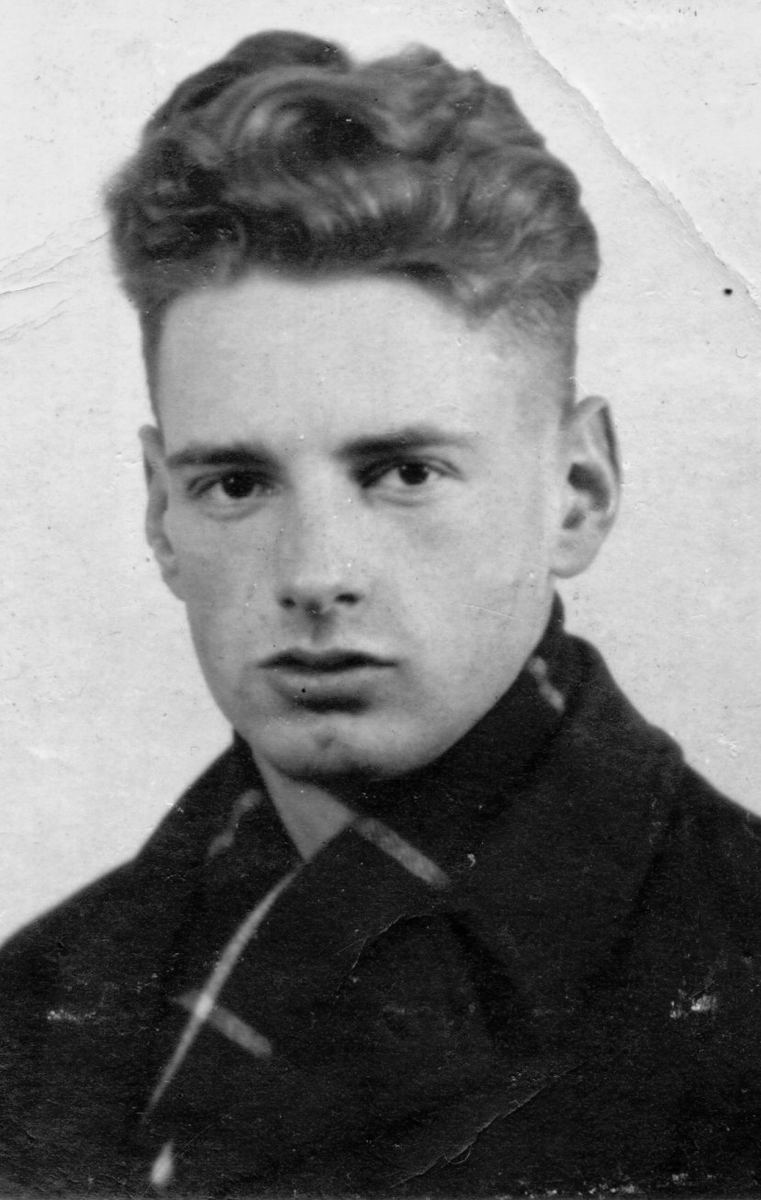
Henricus (Henk) Joannes Brandenburg was born in Hoek van Holland on 24 June 1921. While he was still a baby, the family he grew up in moved to Rotterdam, where his father worked for the port authority. After primary school he went on to the HBS secondary school. It did not go well there. His interests evidently lay elsewhere: he liked being outdoors and active. With his father’s help, and after some extra English lessons, he was able to transfer to the Zeevaartschool (nautical college) in 1938. There he did feel at home, and he made a flying start on his training.
But the German invasion of May 1940 threw a spanner in the works. Many of our ships were requisitioned by the enemy and used for its own purposes. That robbed Henk, as a novice seaman, of the chance to gain experience on these vessels and earn his certificate. Looking for another way to learn the trade, he took a practical course at the premises of the shipping company “Rotterdamsche Lloyd”, and on 20 April 1942 signed on as an ordinary seaman aboard the SS “Randwijk” from the same port. This old merchantman, used to carry timber from Scandinavia and Russia, still sailed under the Dutch flag. Henk secretly hoped the ship would also call at neutral Sweden; he was watching for a chance to jump ship there and travel on to free England. But the ship took a different route. In the end he returned to Rotterdam via Delfzijl in September 1942. Because he had by then put in enough sea time and gained the necessary practical experience, the Zeevaartschool awarded him his 3rd mate’s certificate a few months later after all.
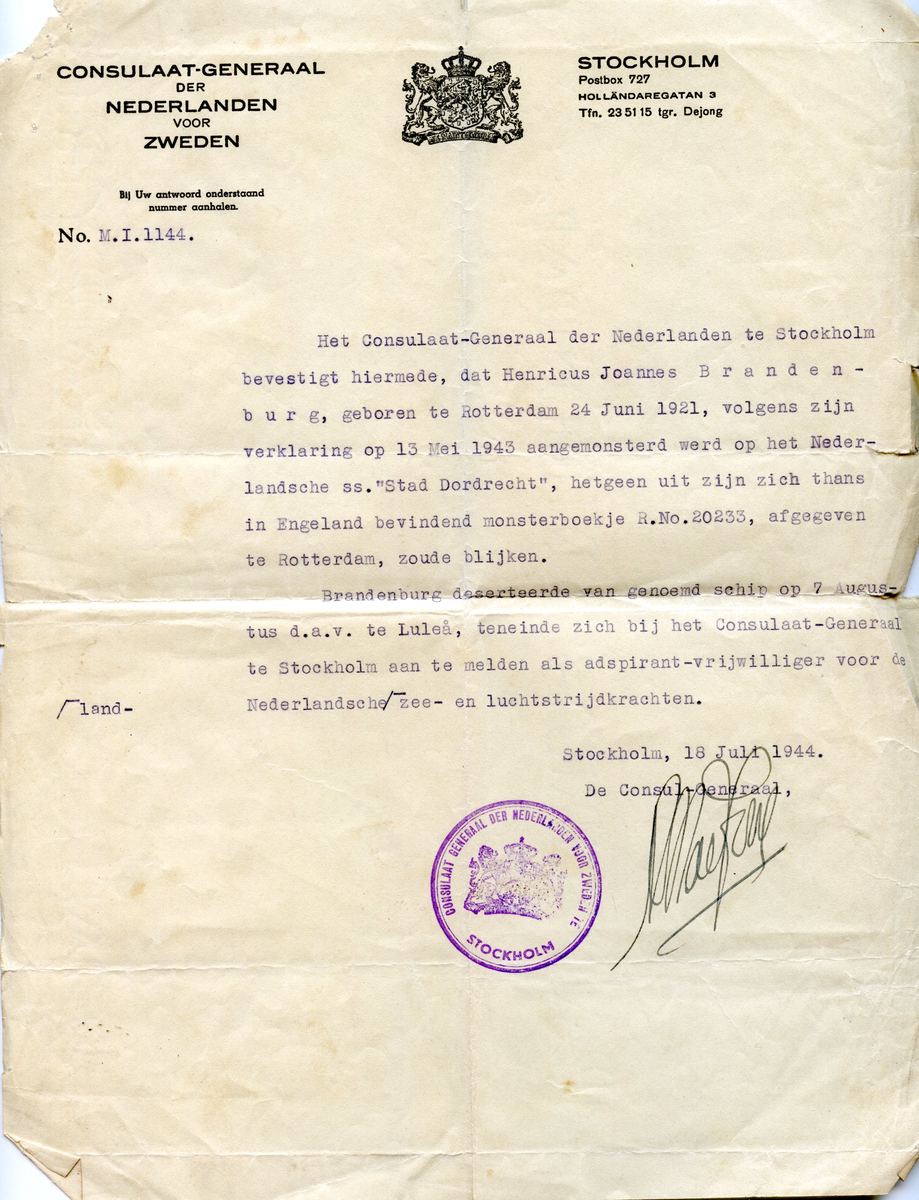
Brandenburg’s determination to escape from occupied territory was as strong as ever. A new opportunity seemed to arise when he heard that another ship flying our national tricolour was to head for the far north. He managed to get a berth on board as an able seaman. This time everything went his way: the SS “Stad Dordrecht”, which carried ore and coal, did indeed moor in Sweden. On 7 August 1943 Henk and his friend, the stoker Frans Pauli, were given permission to go ashore briefly in the small town of Luleå. They had to leave their seaman’s books, which would let them identify themselves, with the captain. Even so, the two young men managed to take these identity papers from the ship’s wheelhouse. They caught the first train to Stockholm and went to the Dutch Consulate there. On arrival Brandenburg said he wanted nothing more than to travel on to England and volunteer for our navy or, failing that, our air force. That way he could help liberate the occupied territory. But he was not the only one: other Dutchmen had also fled to Sweden with the same wish. There were simply not the means to get all of them across to England straight away.
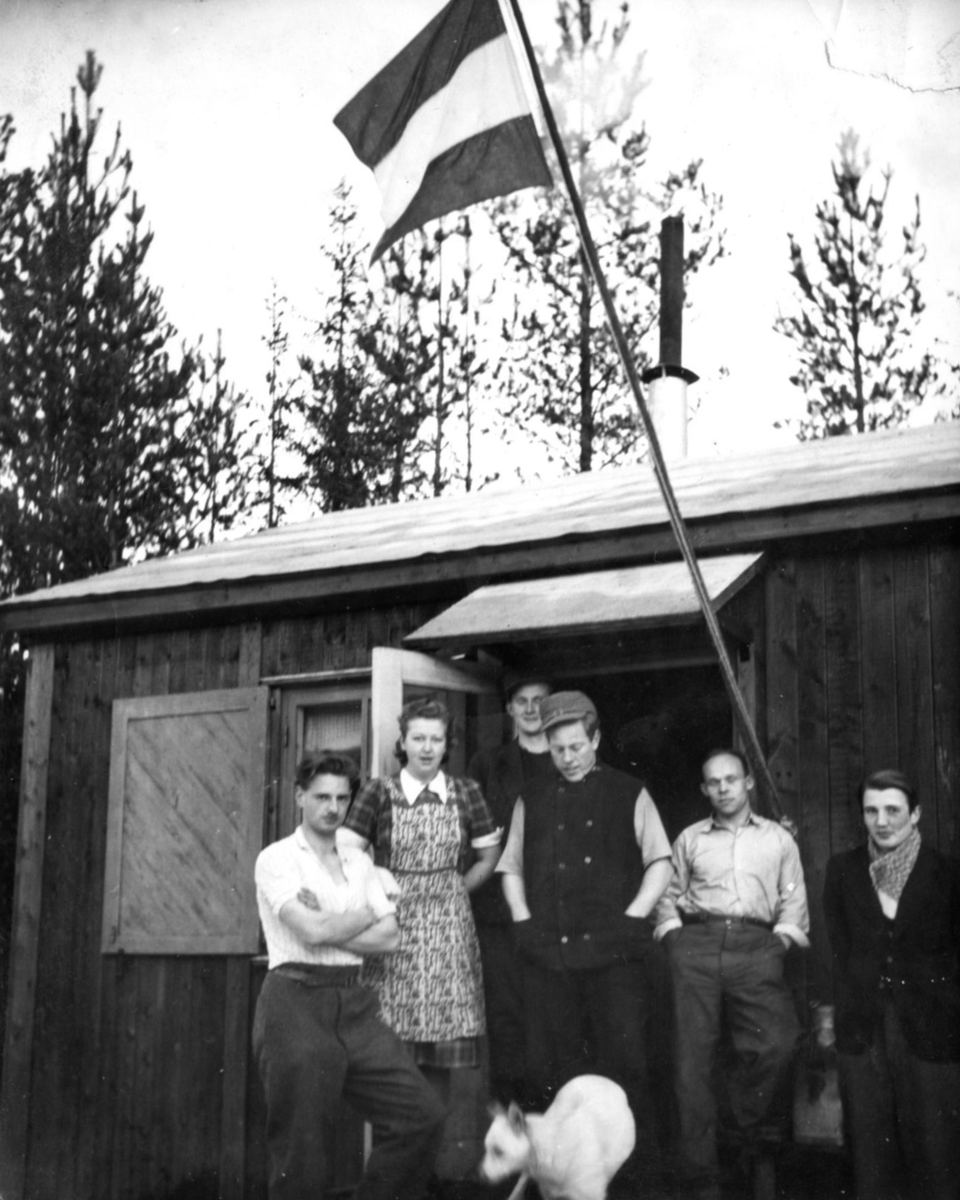
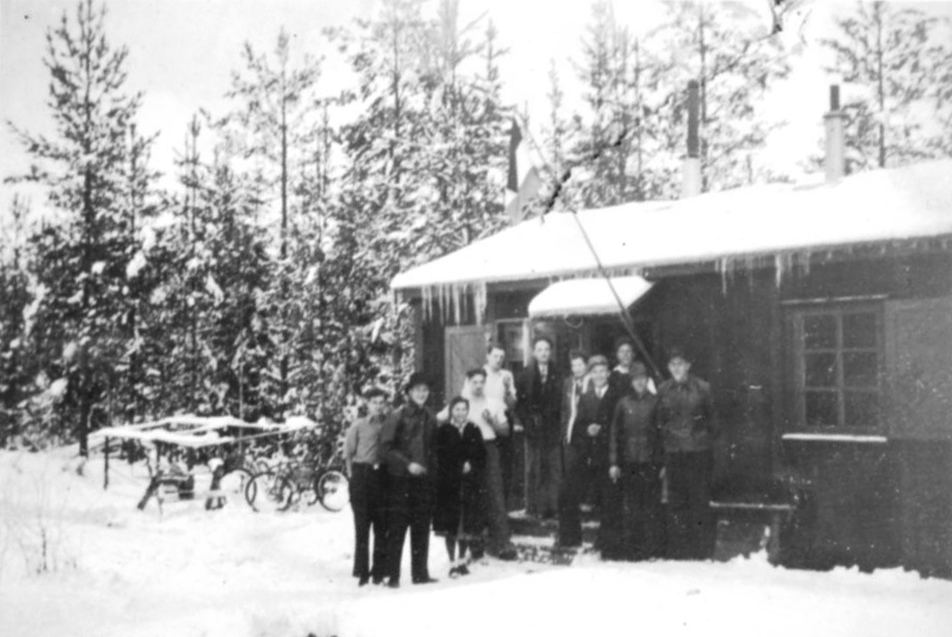
Because he was at the bottom of the waiting list, it was a long time before Henk’s turn came. At the consulate he was told he would have to support himself in the meantime. Fortunately there was plenty of work in the Swedish forests. Together with some other men who had escaped from the Netherlands, he started work there as a forestry labourer. They settled in a woodcutters’ hut at Koppslahyttan, and later in Ludvika. After that Brandenburg got a job as a domestic servant to an attaché in Stockholm. He also worked for a while as a telephone operator at the “Bureau Zorg Uitgewekenen” (Refugee Welfare Office), which aimed to help seamen who had fled to Sweden with advice and practical support. Because he had learned signalling during his training at the Zeevaartschool, and England needed experienced radio operators, he also spent some time in Gothenburg, where he was given a refresher course.
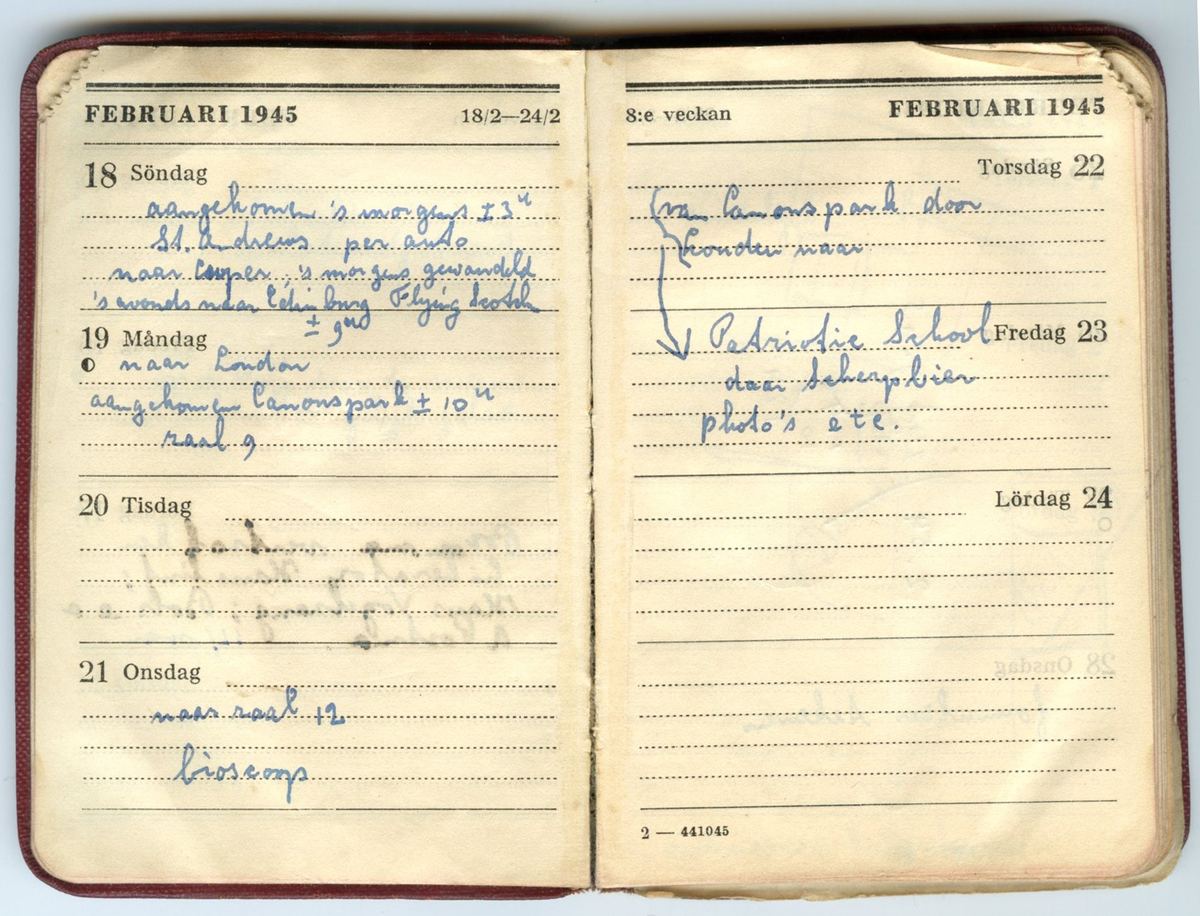
Brandenburg spent exactly 18 months in Sweden before he could finally leave for England. A crossing by boat was too dangerous, but an unarmed American bomber did the job: since the aircraft carried no bombs, there was room for ten patriots, who finally landed at St Andrews airfield in Edinburgh at 03.00 on 18 February 1945. Once in England they were locked up in the “Patriotic School” and subjected to a thorough interrogation. When the authorities were sure that Henk too could be trusted, he regained his freedom on 7 March.
Brandenburg never saw combat. He did, however, collect American troops from liberated France aboard the MS “Japara”, and on the SS “Sloterdijk” he brought women and children released from Japanese camps back to the Netherlands from what was then our colony, the Dutch East Indies.
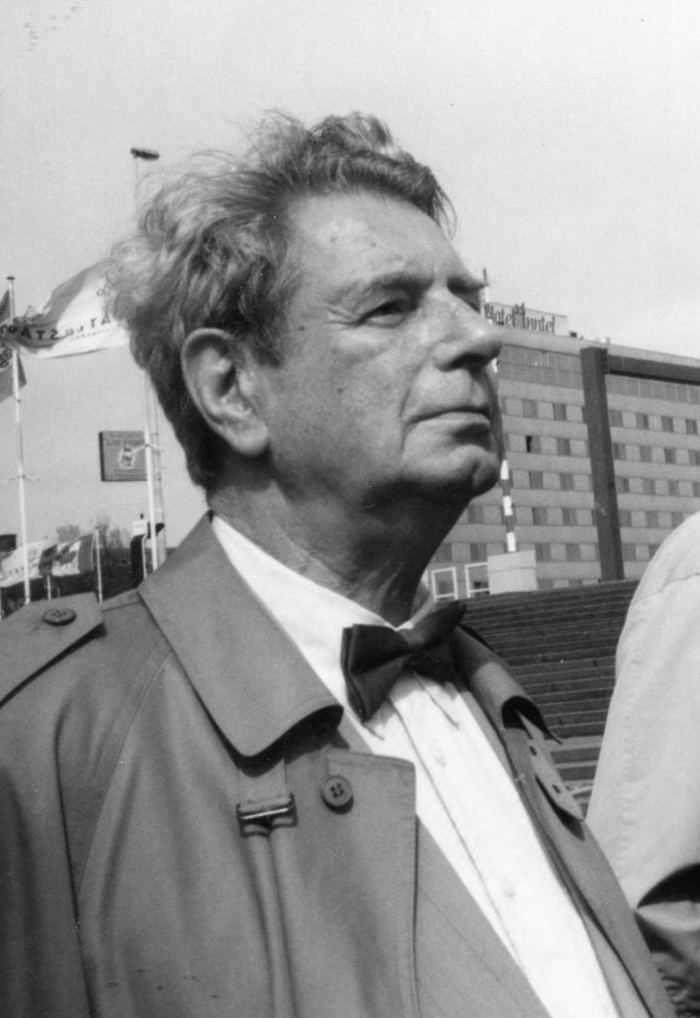
Henk Brandenburg was a seaman his whole working life. After a career as a captain with the “Holland-Amerika-Lijn” (Holland America Line), he was harbour master and receiver of wreck in Rotterdam from 1970 to 1979. After that he occupied himself with editing and publishing articles in naval and trade journals, among other things. He married Cornèlie Antoinette van der Sloot (1925–1987), with whom he had three children. After his wife’s death he remarried, to Geertruida (Truus) van der Veen (1929). He died in Barendrecht on 25 September 2006 and was buried at the Algemene Begraafplaats (municipal cemetery) in Rhoon.
For services rendered, Brandenburg was made a Knight of the Order of Orange-Nassau. He was also awarded the Veterans’ Badge.