
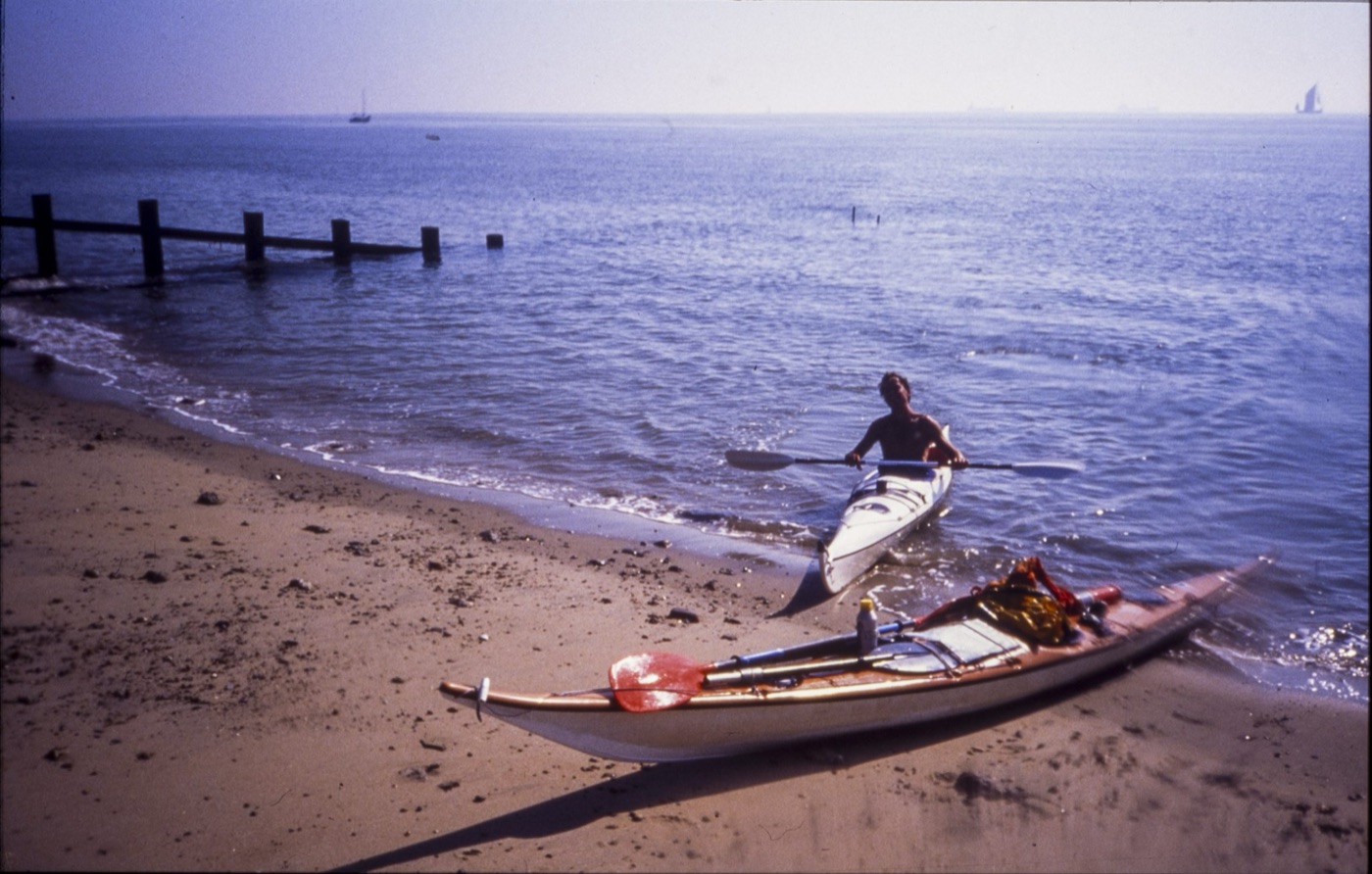
The crossing
In England
After arriving, most “Engelandvaarders” joined British or Dutch armed forces or the merchant navy, or went to work for the government. Of the roughly 180 agents sent from England into the occupied Netherlands, more than half were “Engelandvaarders”.
The interrogations
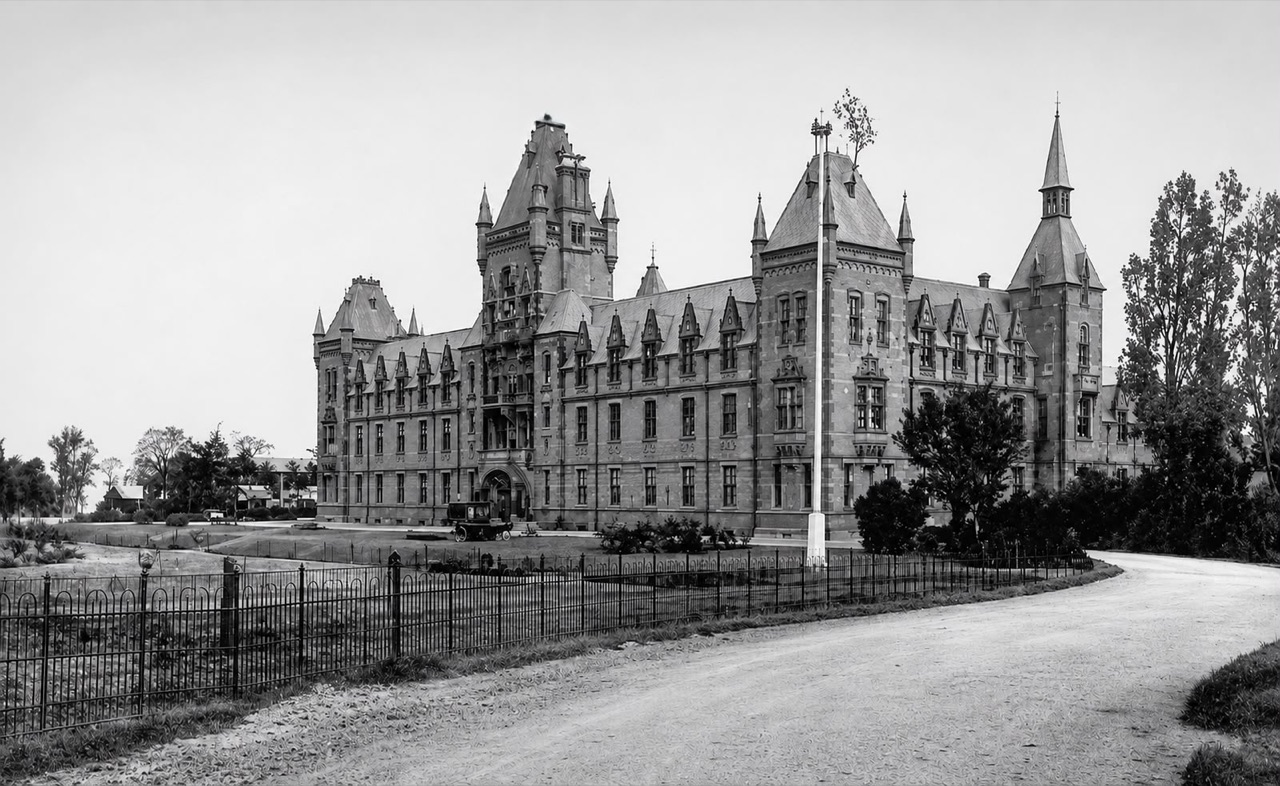
On arrival, the “Engelandvaarders” were questioned by the British and Dutch security services, to establish that they were genuine and to unmask German spies. These interrogations took place in an old school building in London: the Patriotic School.
Those found to be trustworthy were then questioned at length by officials about conditions in the occupied Netherlands: the price of food, where German troops were stationed, the mood among the population, and who was collaborating with the occupiers. This intelligence later helped form the basis for the post-war trials of collaborators.
Queen Wilhelmina
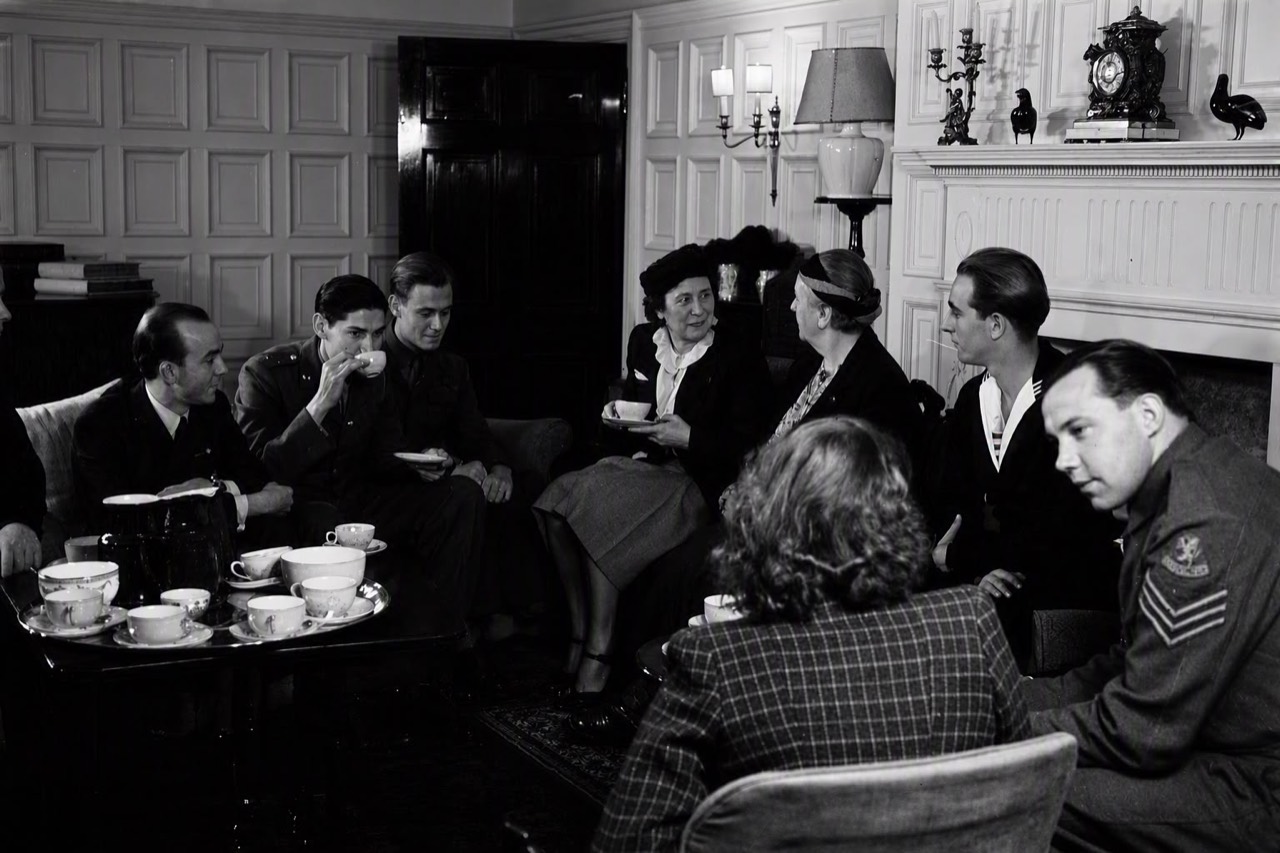
Queen Wilhelmina admired the “Engelandvaarders” for their resolve and saw them as envoys of her people. Whenever she could, she received them in person in Maidenhead or London, poured the tea herself and talked with each guest about their journey and about how things stood at home. For many an “Engelandvaarder”, it left a deep impression.
She also showed her appreciation through decorations: the Bronze Cross for those who crossed the North Sea (until the end of 1941), and the Cross of Merit for the others.
Oranjehaven
Oranjehaven was a club for “Engelandvaarders”, opened at Queen Wilhelmina’s initiative on 2 June 1942 at 23 Hyde Park in London. A commemorative plaque on the façade was unveiled in 1977 in the presence of a delegation of “Engelandvaarders”.
War service
Where the “Engelandvaarders” served
in the navy
in the army
in the air force
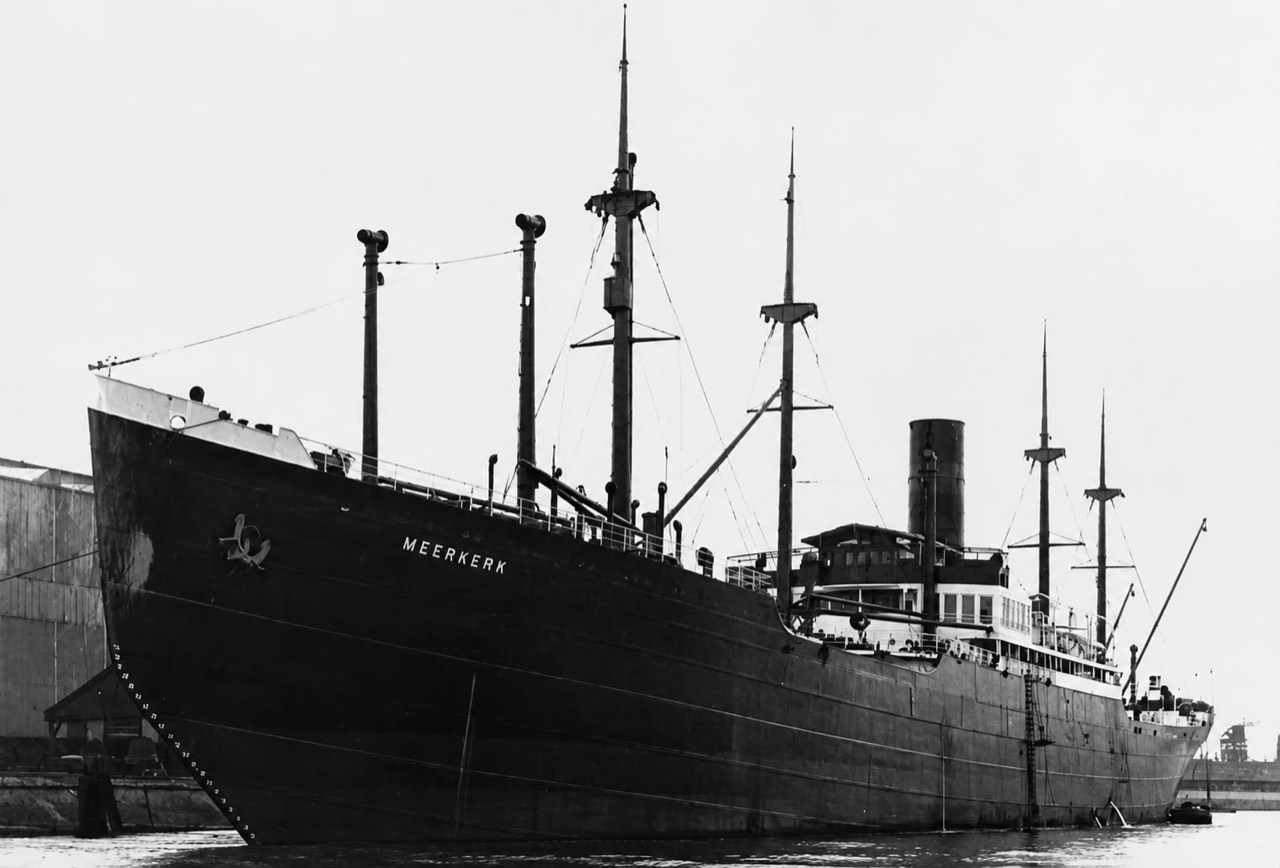
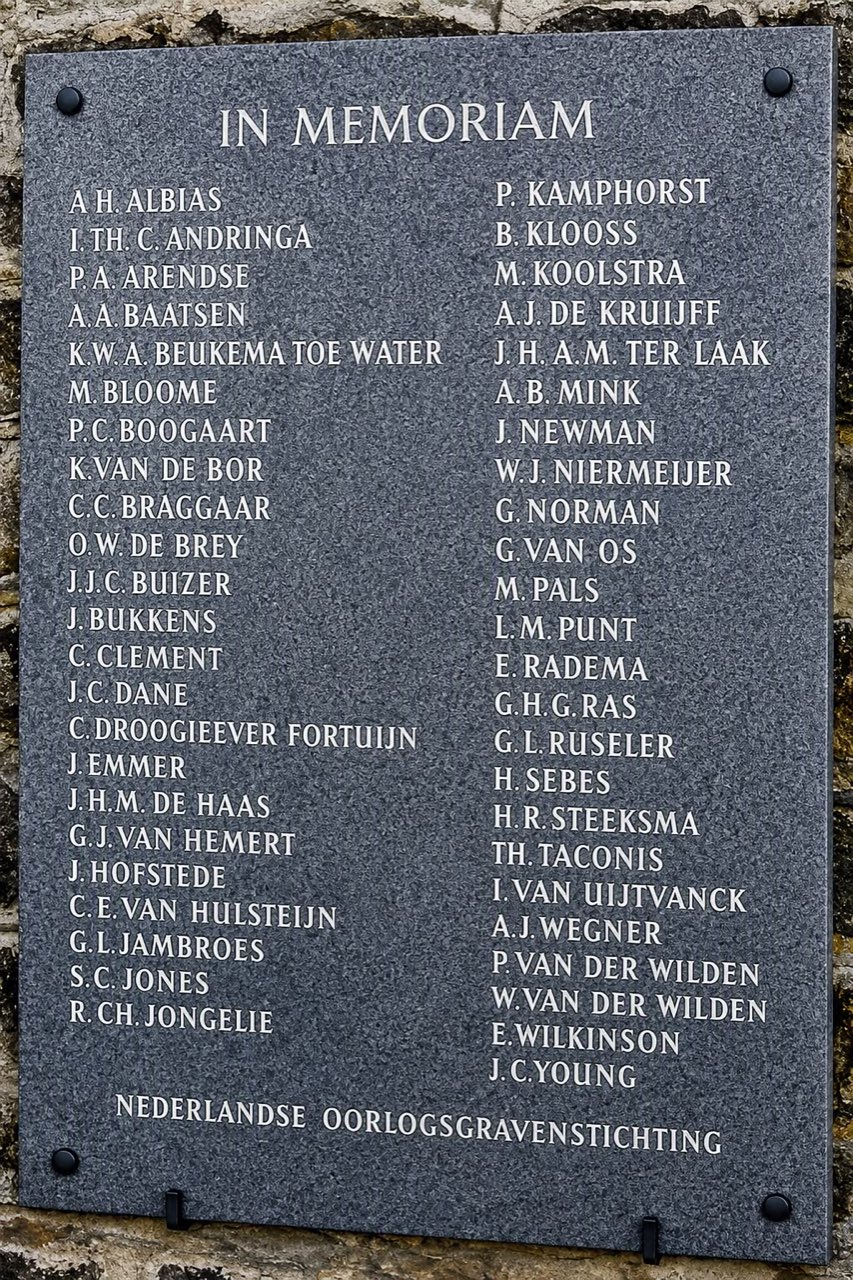
Smaller groups joined the merchant navy and the KNIL, the Royal Netherlands East Indies Army. Their contribution as secret agents stands out: of the roughly 180 Dutch agents in the occupied Netherlands, more than half were “Engelandvaarders”. Many agents were arrested and murdered in German concentration camps. In the service of the army, air force or navy, 115 “Engelandvaarders” were killed.
Arrested
At first, arrested “Engelandvaarders” were punished fairly mildly, but the occupiers soon took a hard line. How severe the sentence was depended on the charge. For ‘unauthorised border crossing’ it usually came to a few years in prison. If the charge was ‘Feindbegünstigung’, aiding the enemy, it often meant penal servitude or even the death penalty.
Jewish “Engelandvaarders” who were caught never even came before a judge: they were sent straight to a concentration camp. From 1943 this happened more and more often to non-Jewish “Engelandvaarders” as well.
From the archive
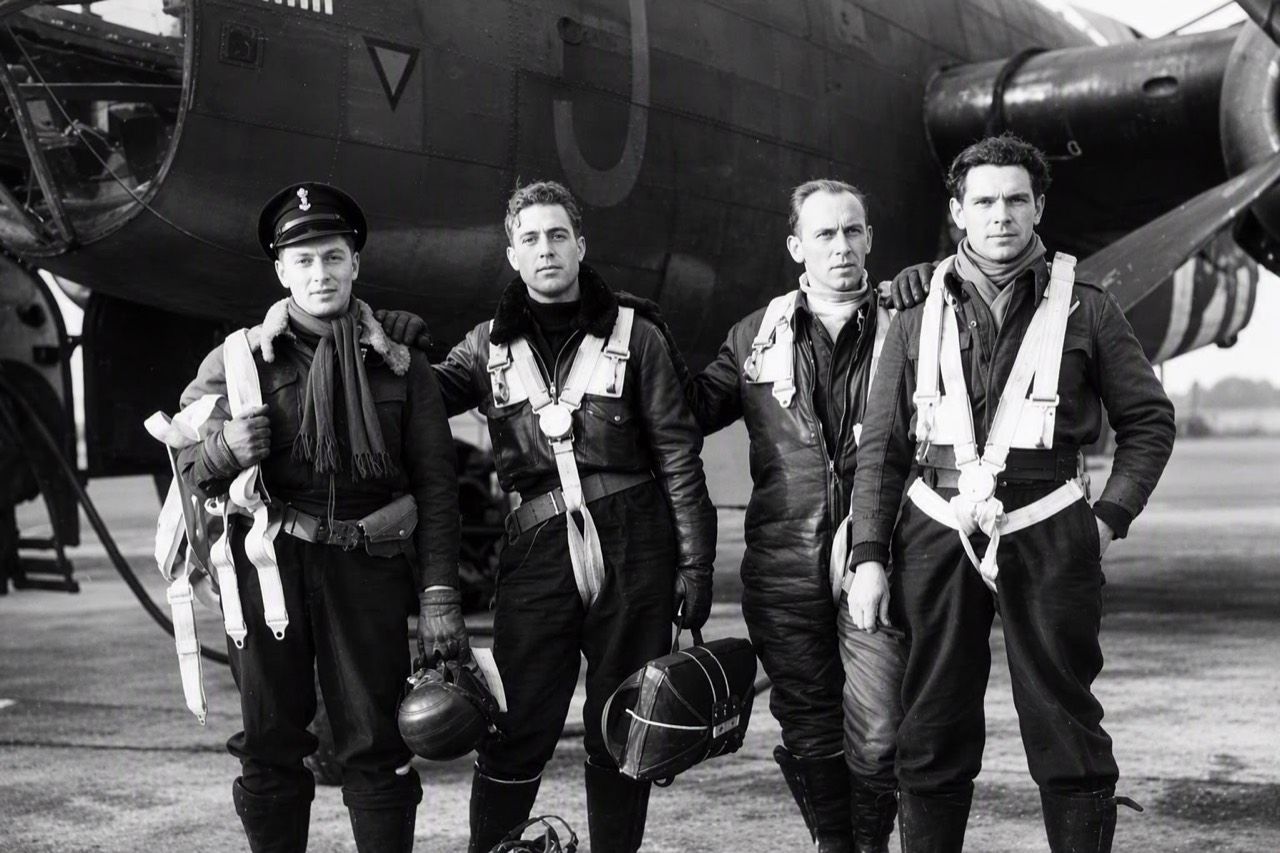
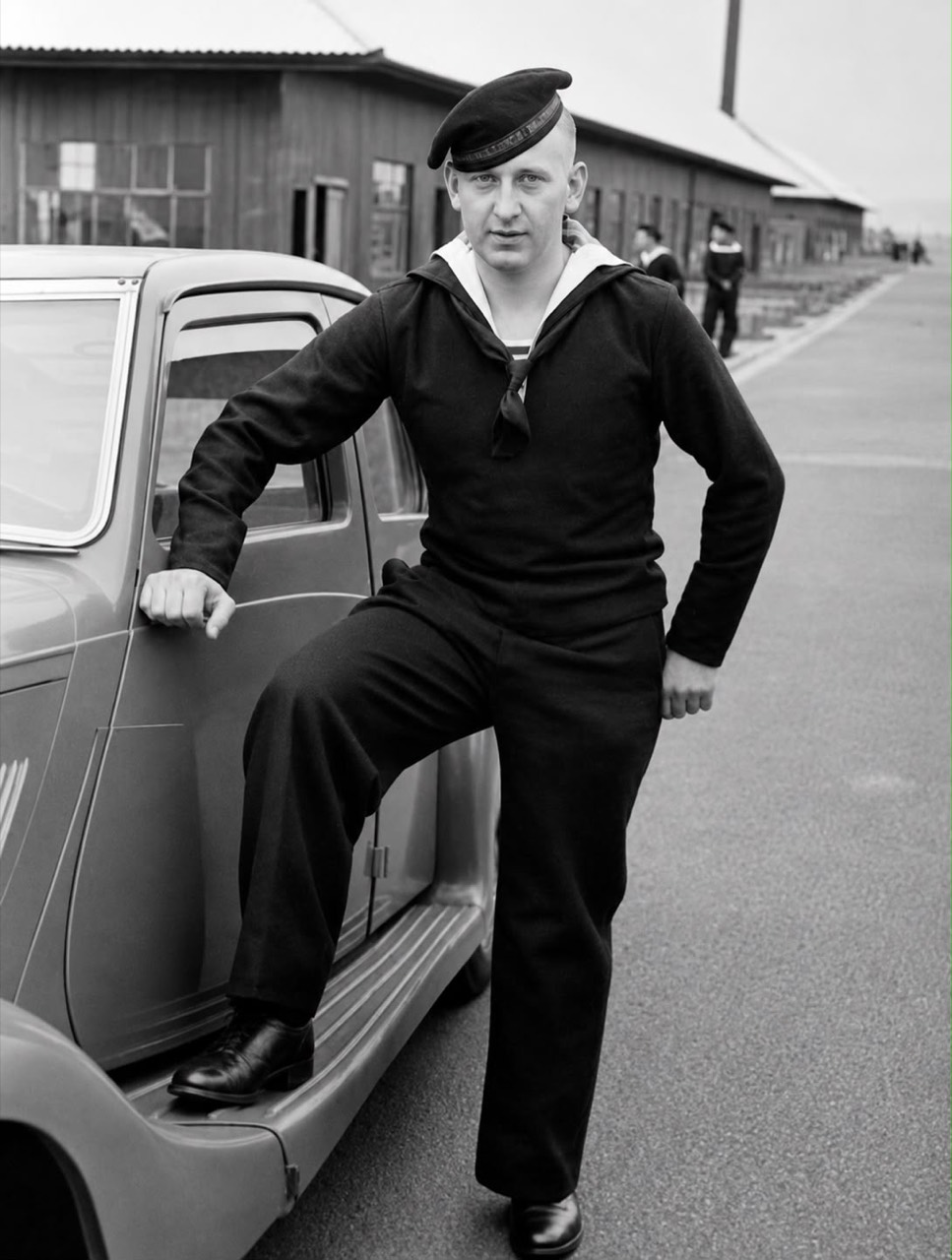
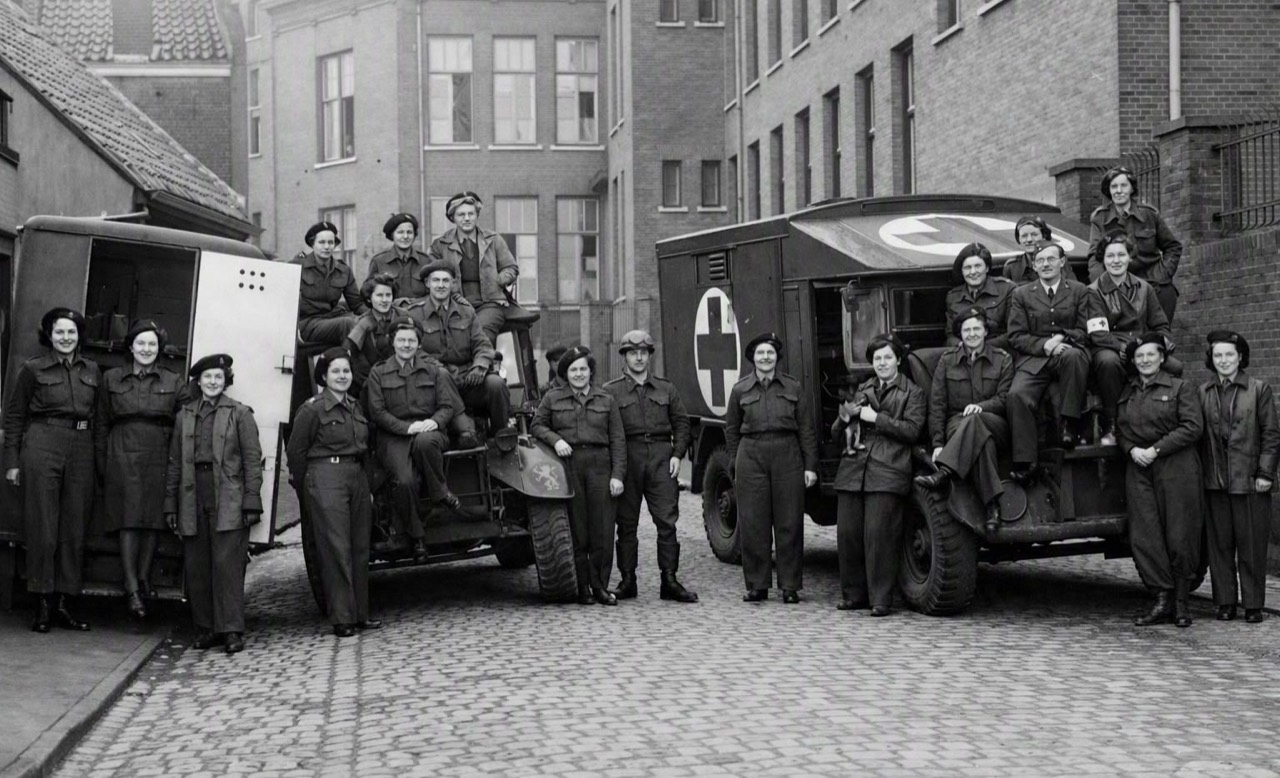
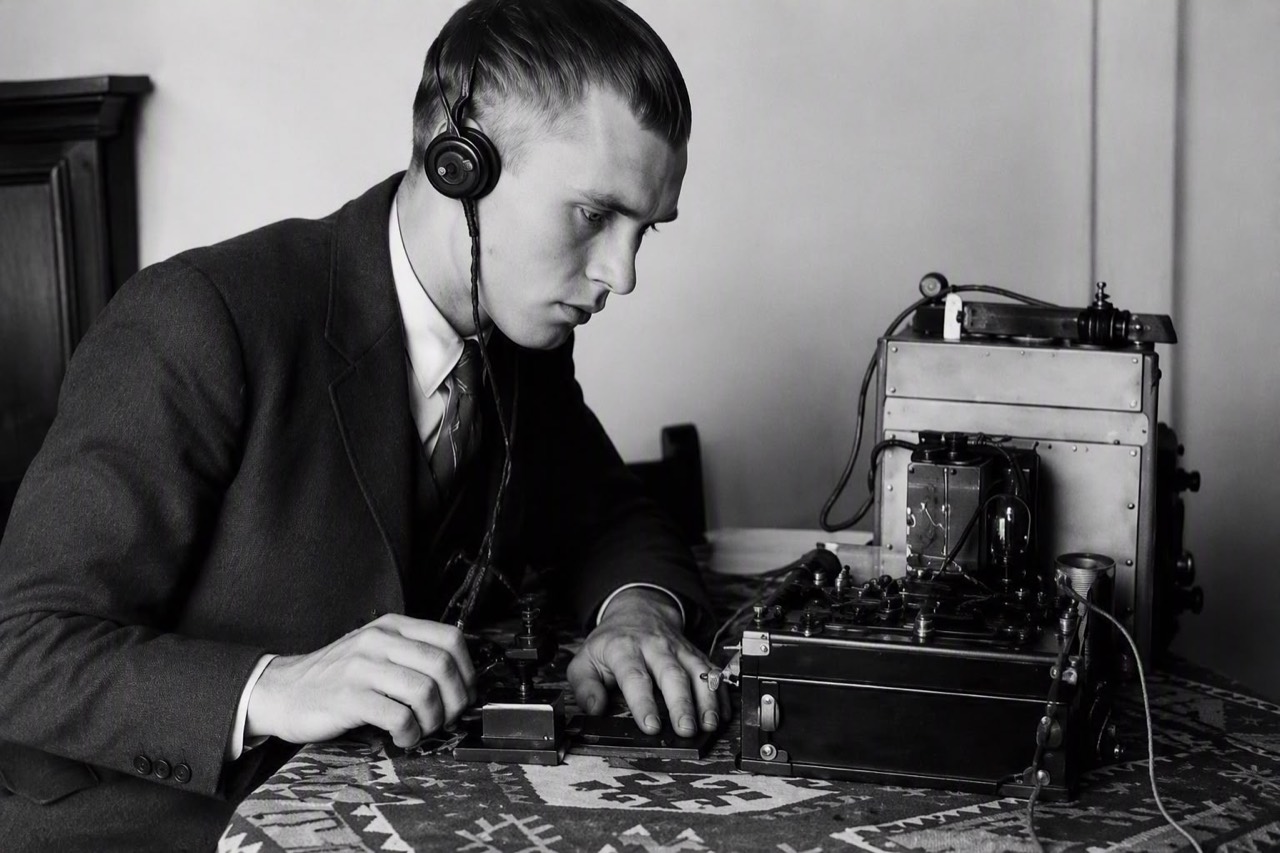
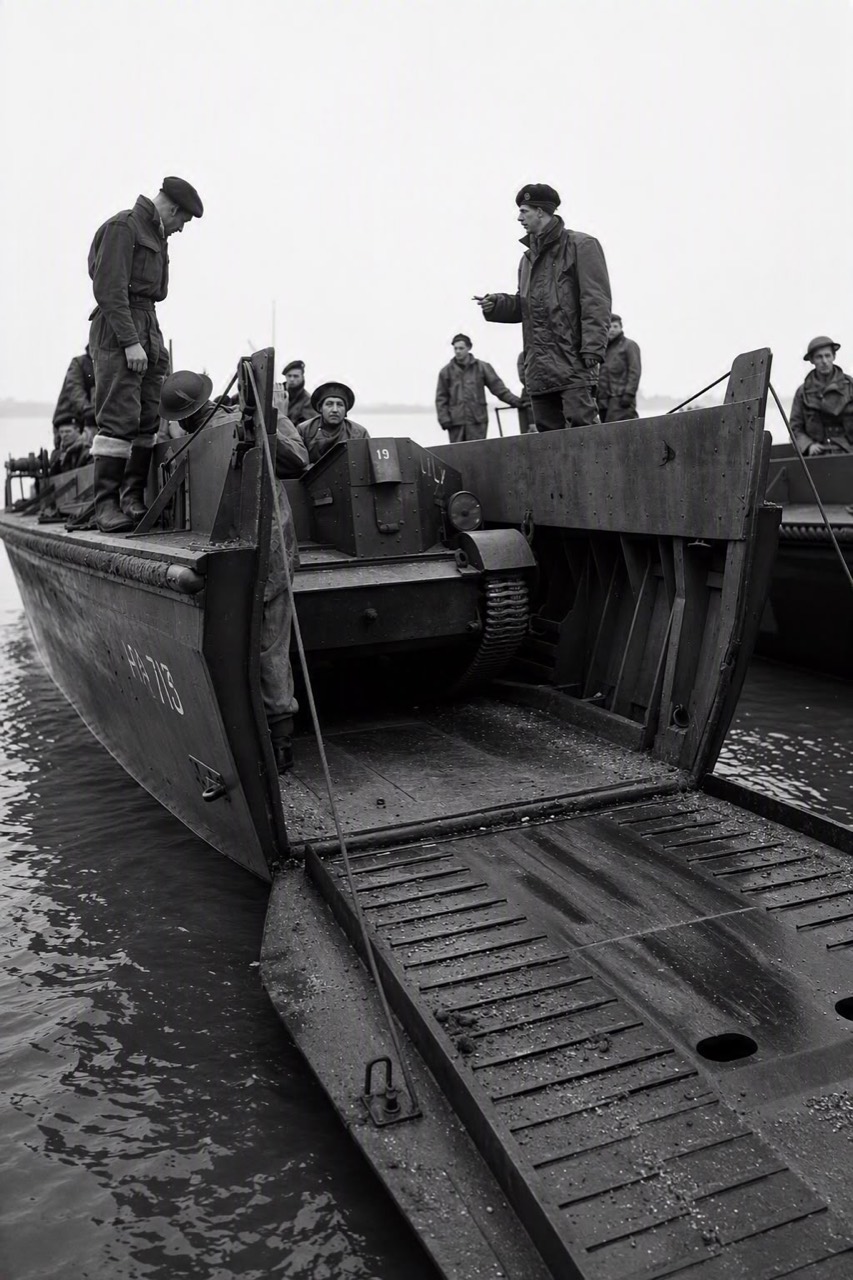
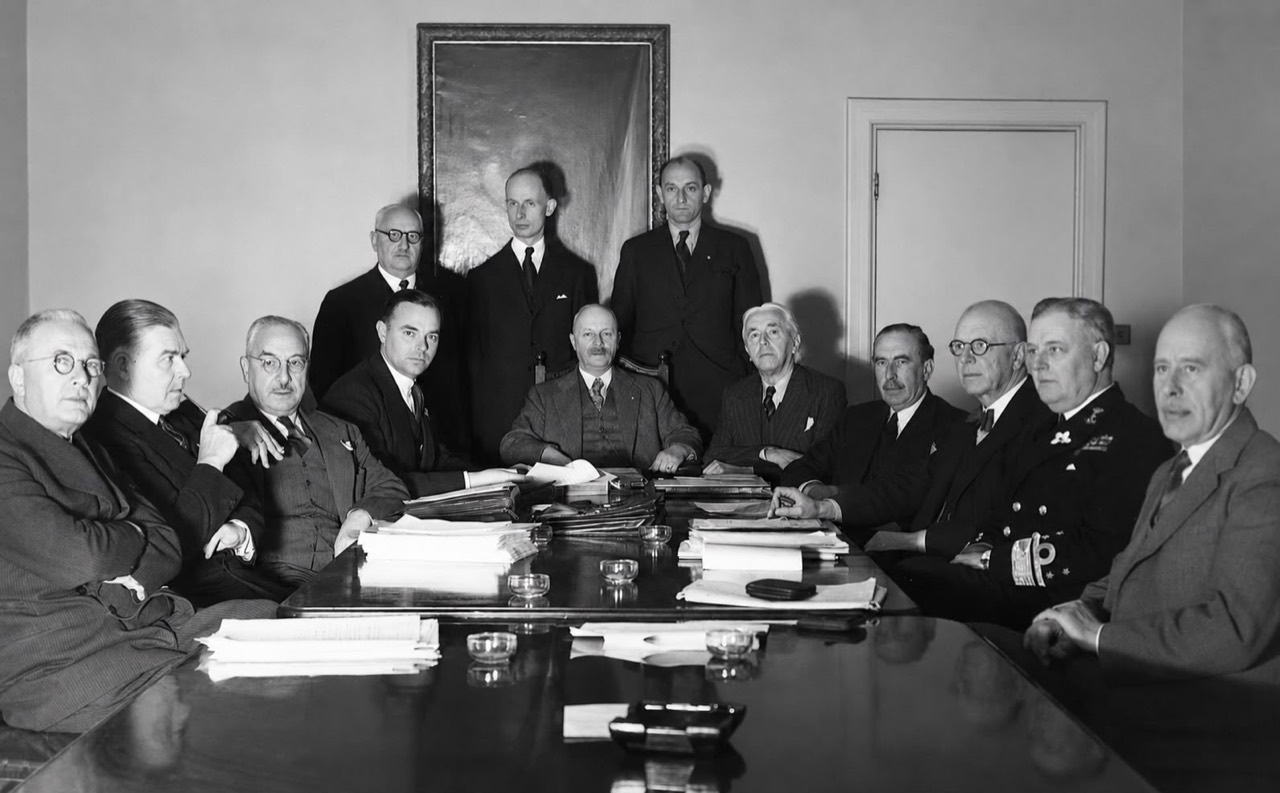
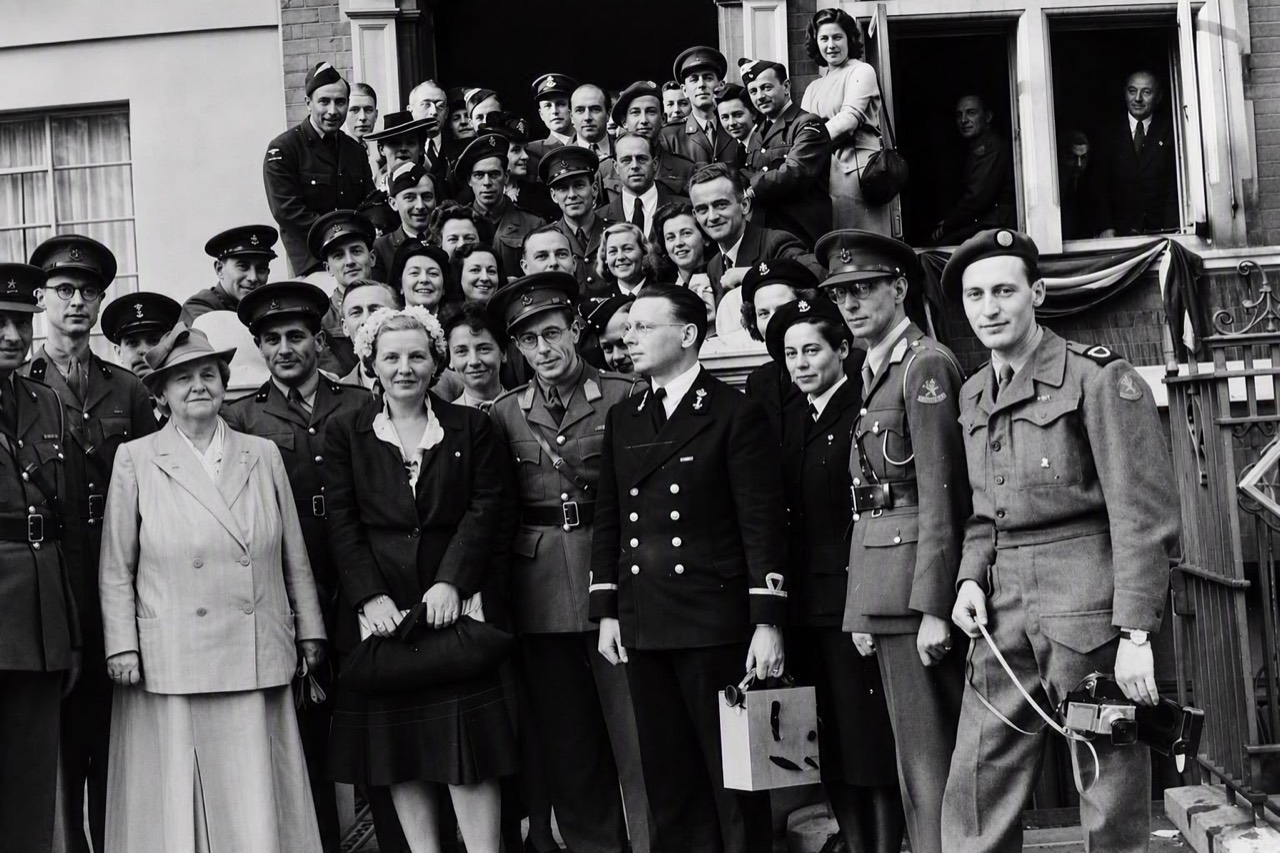
In England in photographs
What an “Engelandvaarder” went on to do in England, in eleven images.
Read their personal stories
Behind the figures lie hundreds of personal stories of courage and loss.