On every route, the “Engelandvaart” only really got going in 1941. For the North Sea route, 1941 was the peak year. In 1942 and 1943 the other two routes were used most. In 1944 the number of “Engelandvaarders” setting out fell, and in 1945 it stopped altogether.

Often there was no deliberate choice: the route someone took was frequently a matter of chance. Anyone forced to leave seized whatever chance of escape came their way.

10%

reached England
across the North Sea

North Sea route

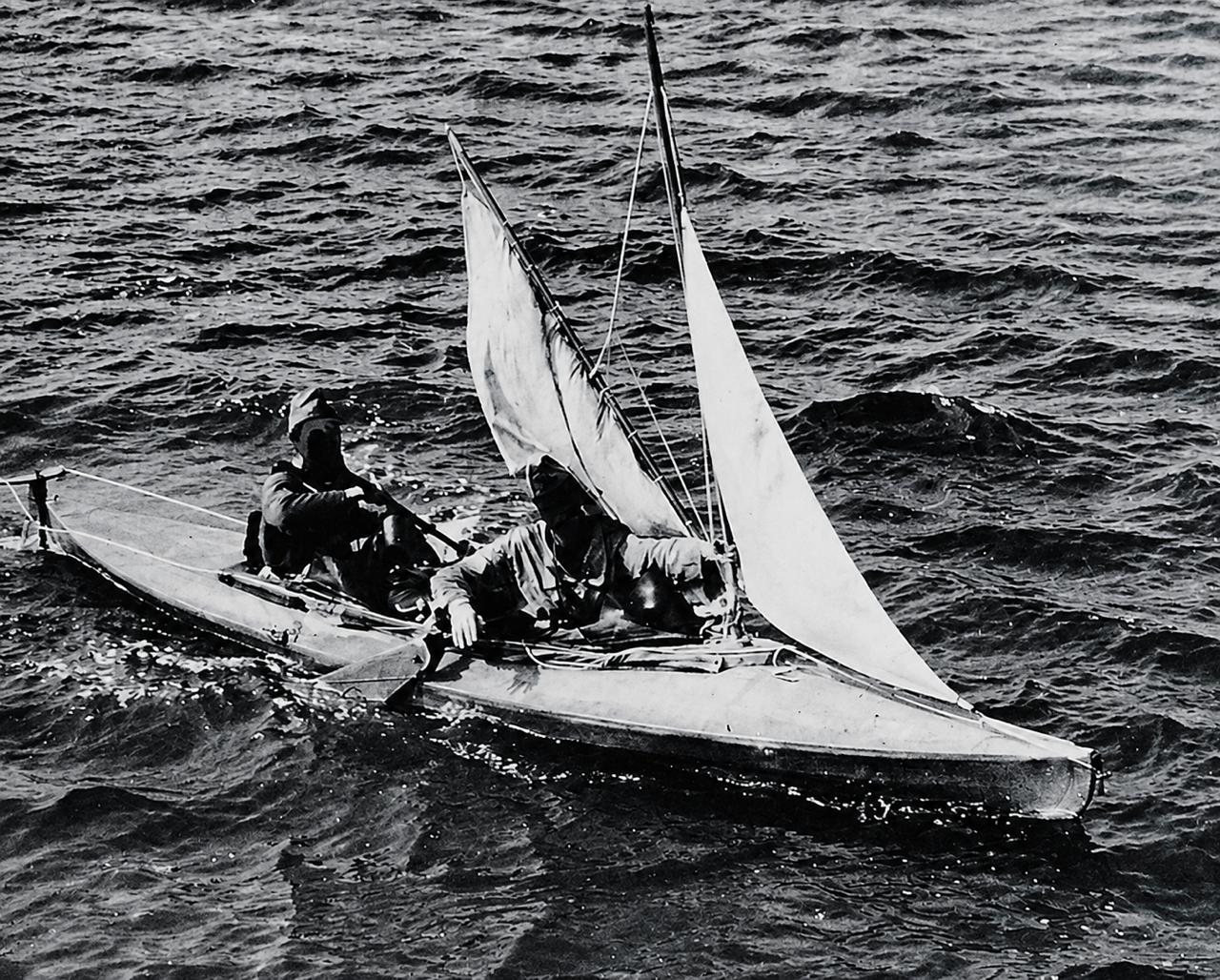
The way across the North Sea was the shortest, and so it seemed the most attractive. Yet escaping by this route was extremely difficult and dangerous, especially after the occupiers began building the Atlantic Wall in 1942 and declared the coast a prohibited area.

In all, 136 attempts from the Dutch coast are known, of which only 23% succeeded. Most took place in 1941, when the coast could still be reached to some extent. In May 1941 people even managed to cross by air twice: first in a stolen G1, and shortly afterwards in a stolen Fokker seaplane.
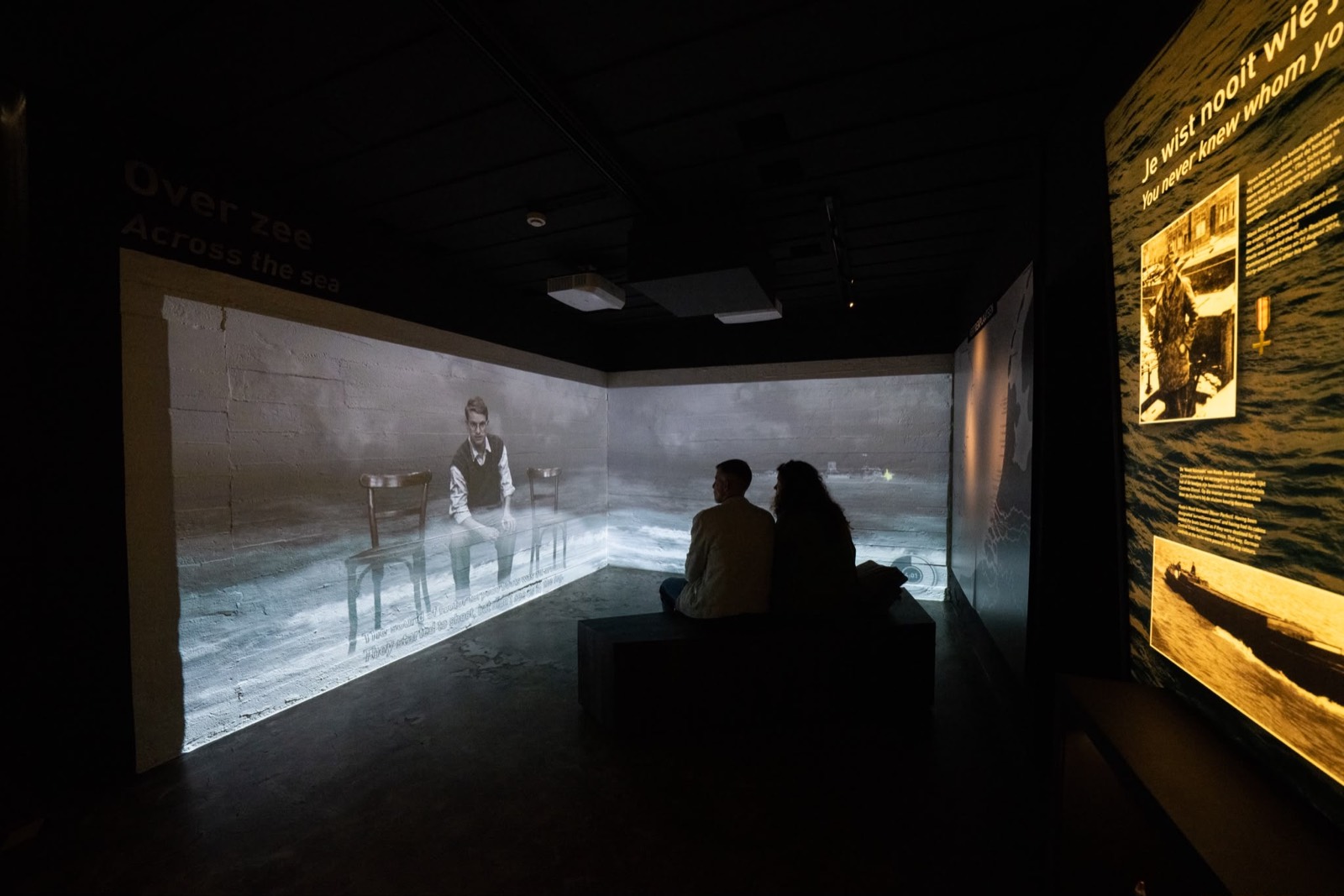
Projection room in the museum about the North Sea route, with visitors in front of a projected eyewitness account
Projection in the museum about the North Sea route.
58%

took the
southern route

Southern route

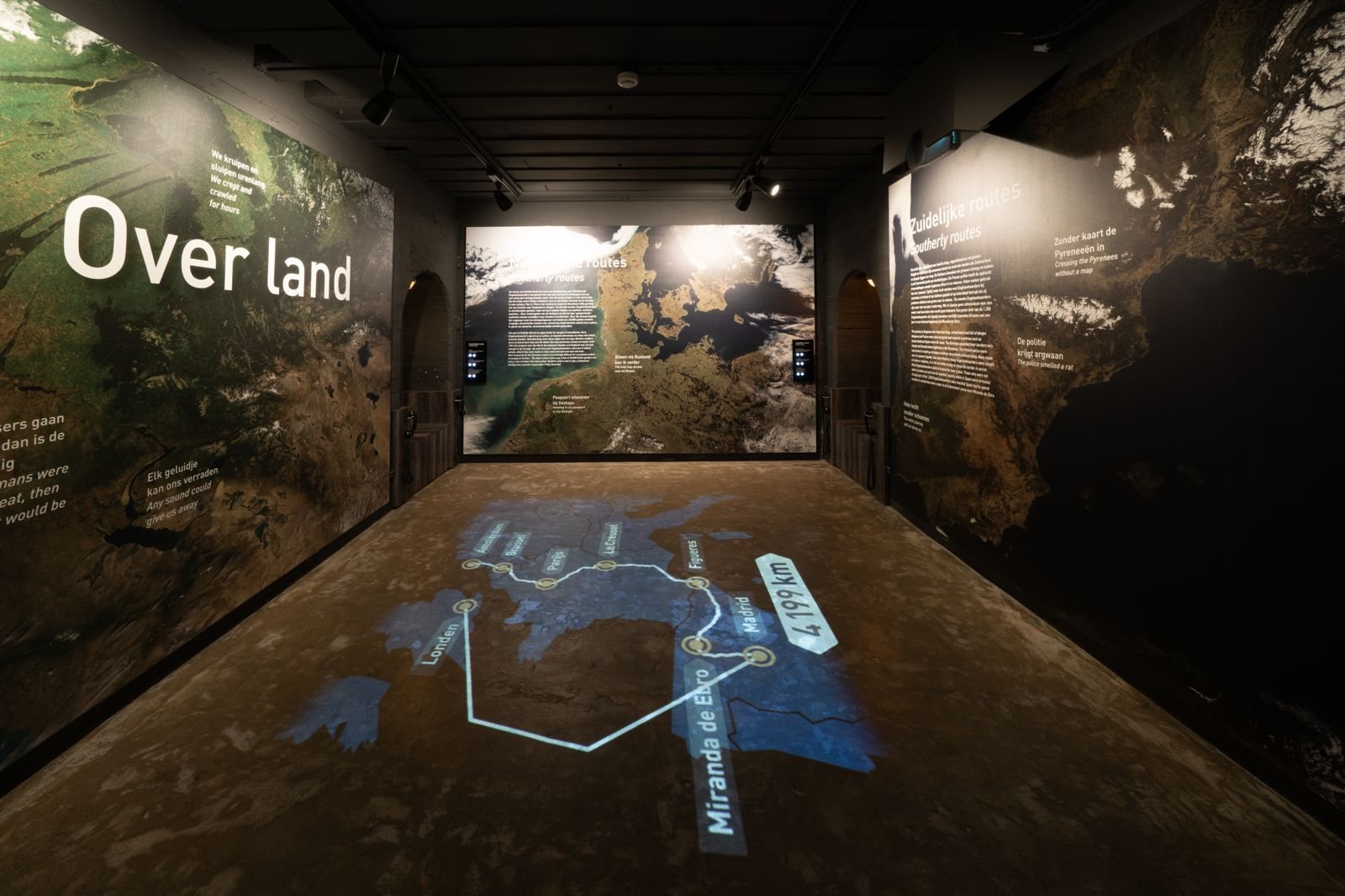
This route was long and meant crossing many borders in secret. Even so, most “Engelandvaarders” reached England this way. On average the journey took them one year and three months, partly because they spent long spells in prisons and internment camps along the way, or had to wait for papers.

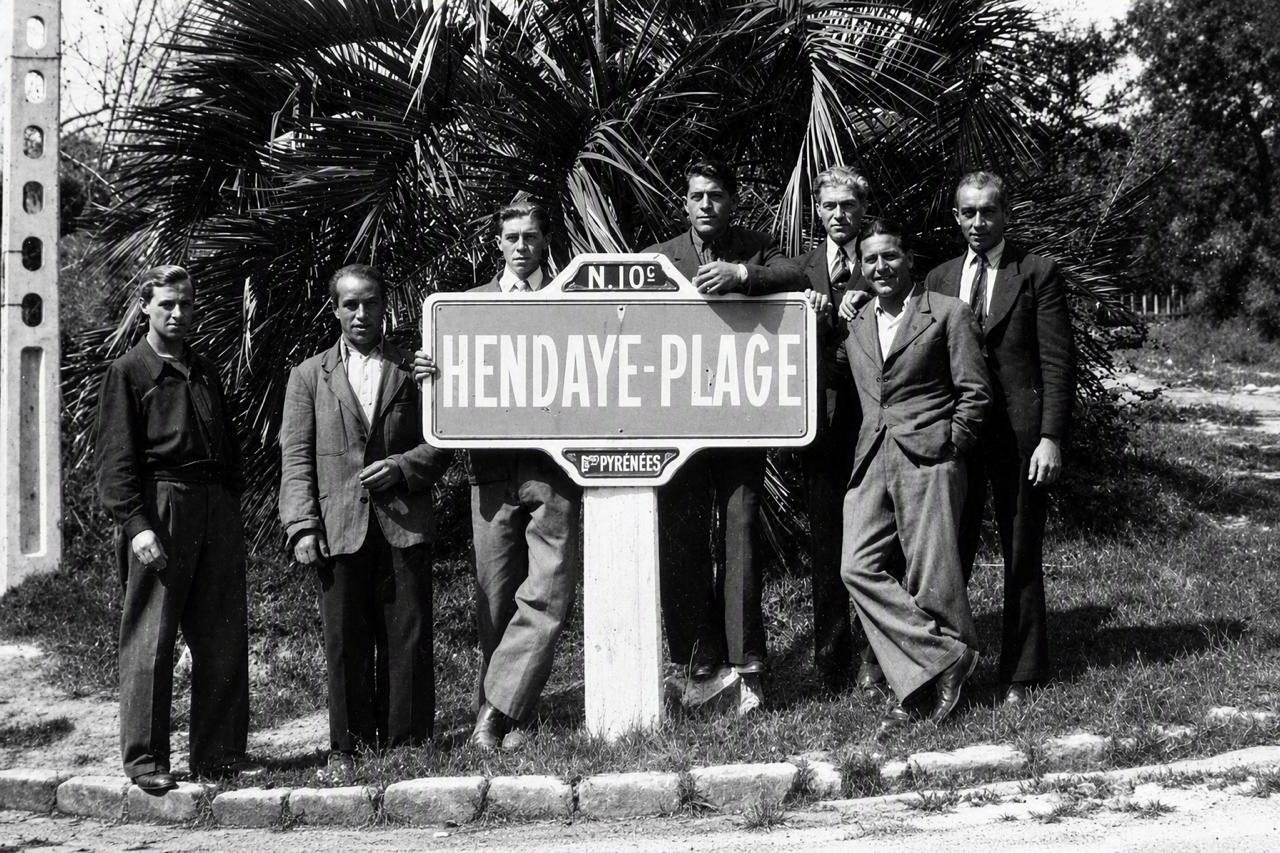
One of the bottlenecks was Vichy France. When that too was occupied in November 1942, only one way remained open: crossing the Pyrenees in secret into Spain. There the “Engelandvaarders” were often locked up, among other places in the Miranda de Ebro internment camp.

Interviews were recorded with eleven “Engelandvaarders” who took this route. You can watch them on Klim naar de vrijheid.

The ‘Over land’ wall in the museum, showing the route south and quotations from “Engelandvaarders”
Wall in the museum about the journey over land.
31%

escaped
through Sweden

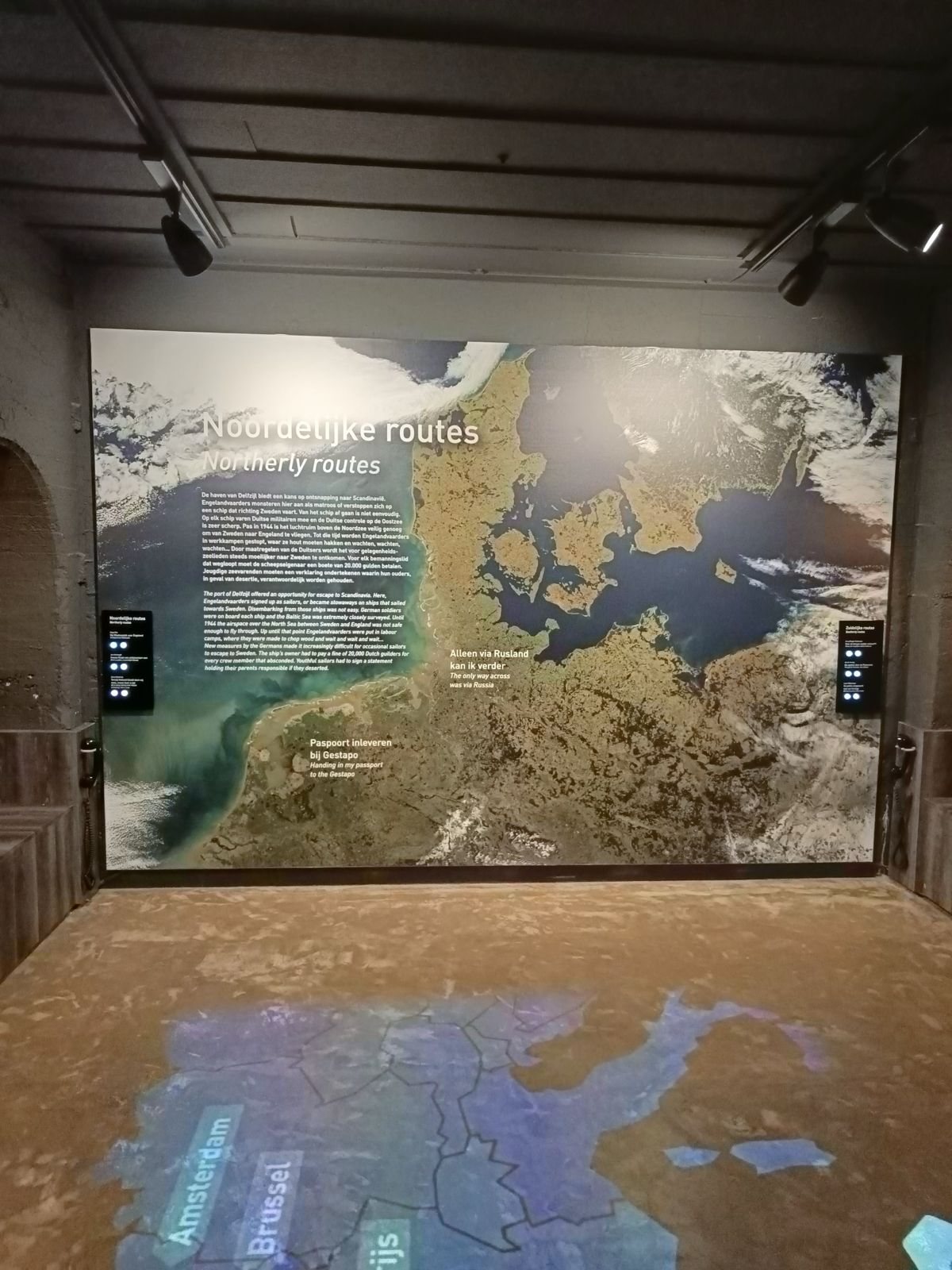
Scandinavian route

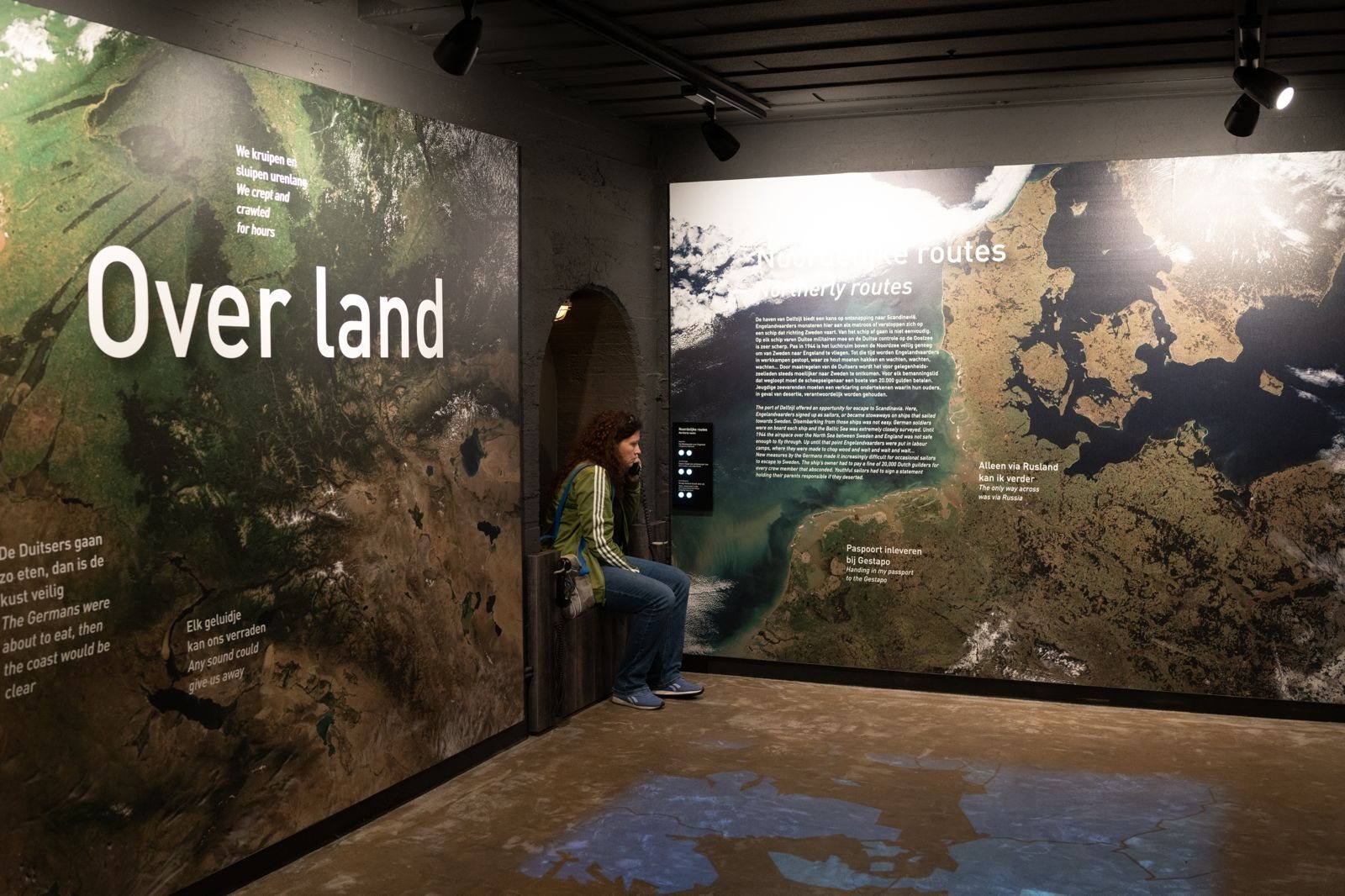
Seamen in particular signed on to coasters, planning to jump ship in neutral Sweden. As on the southern route, they had a long wait. The only passage to England was by mail plane, and each flight could take just a few people.

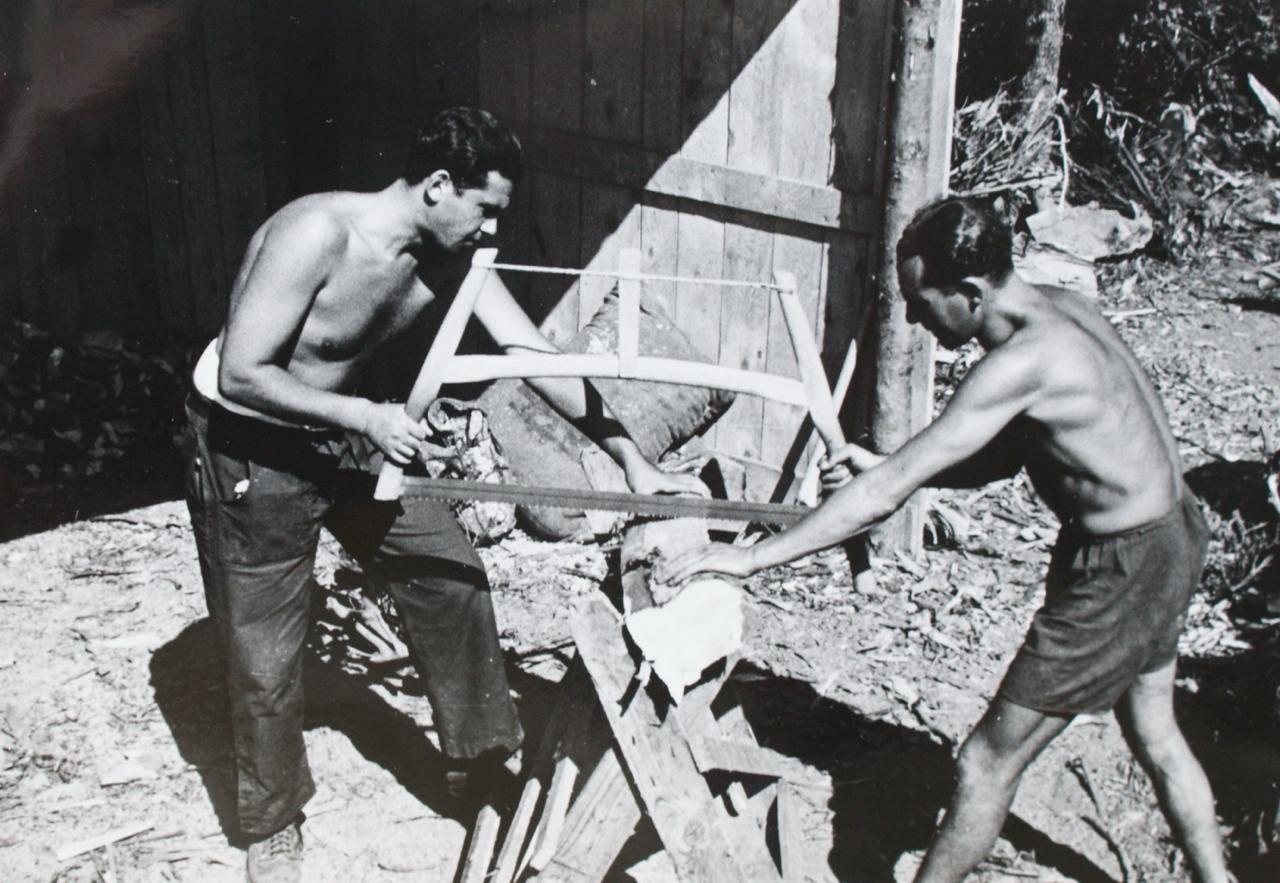
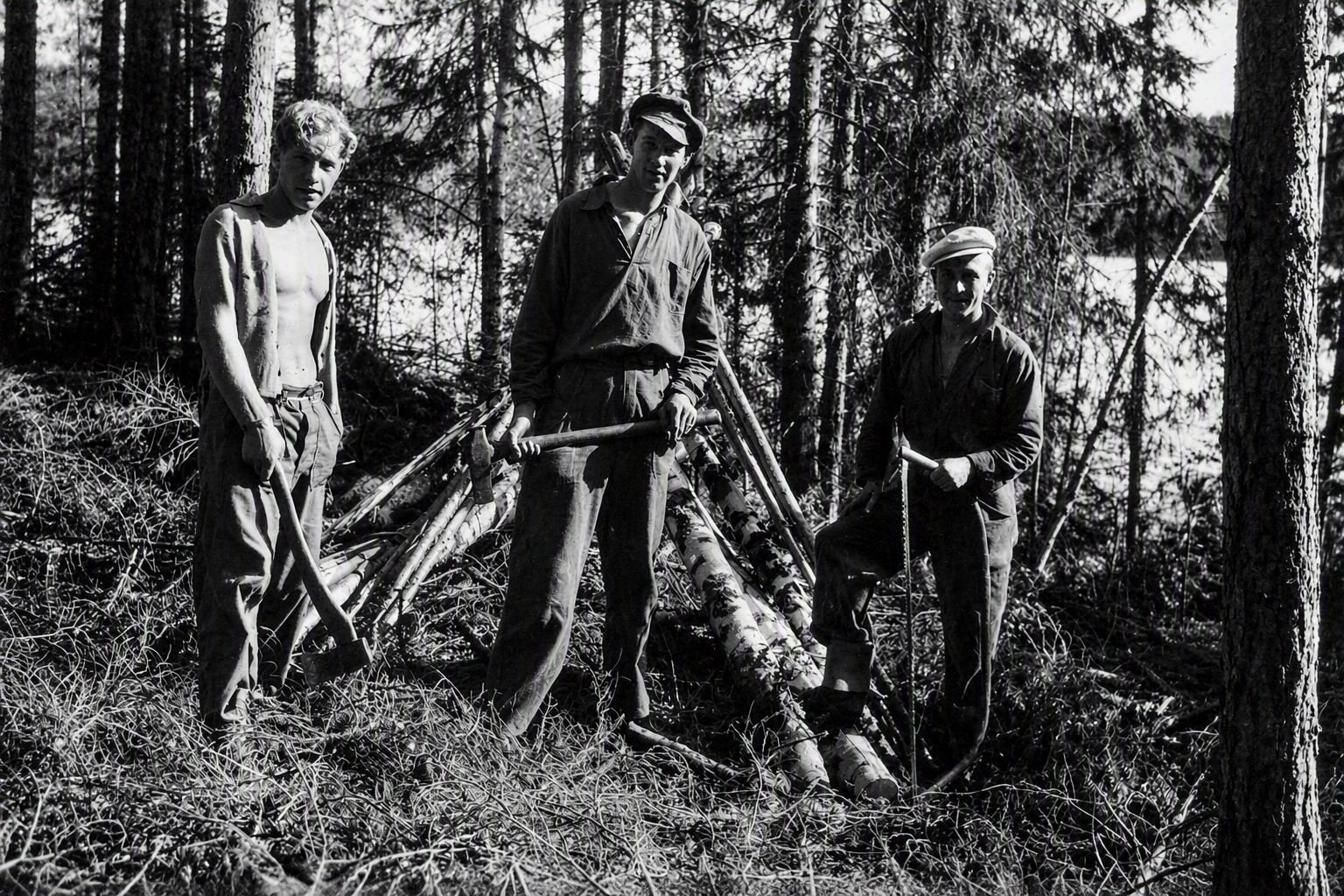
In the meantime the volunteers made themselves useful by felling timber in the Swedish forests. Not until 1944, with American bombers, was there enough transport to bring the “Engelandvaarders” from Sweden to England.

Map wall in the museum about the Scandinavian route, with the route also projected onto the floor
Wall in the museum about the Scandinavian route.

From the archive

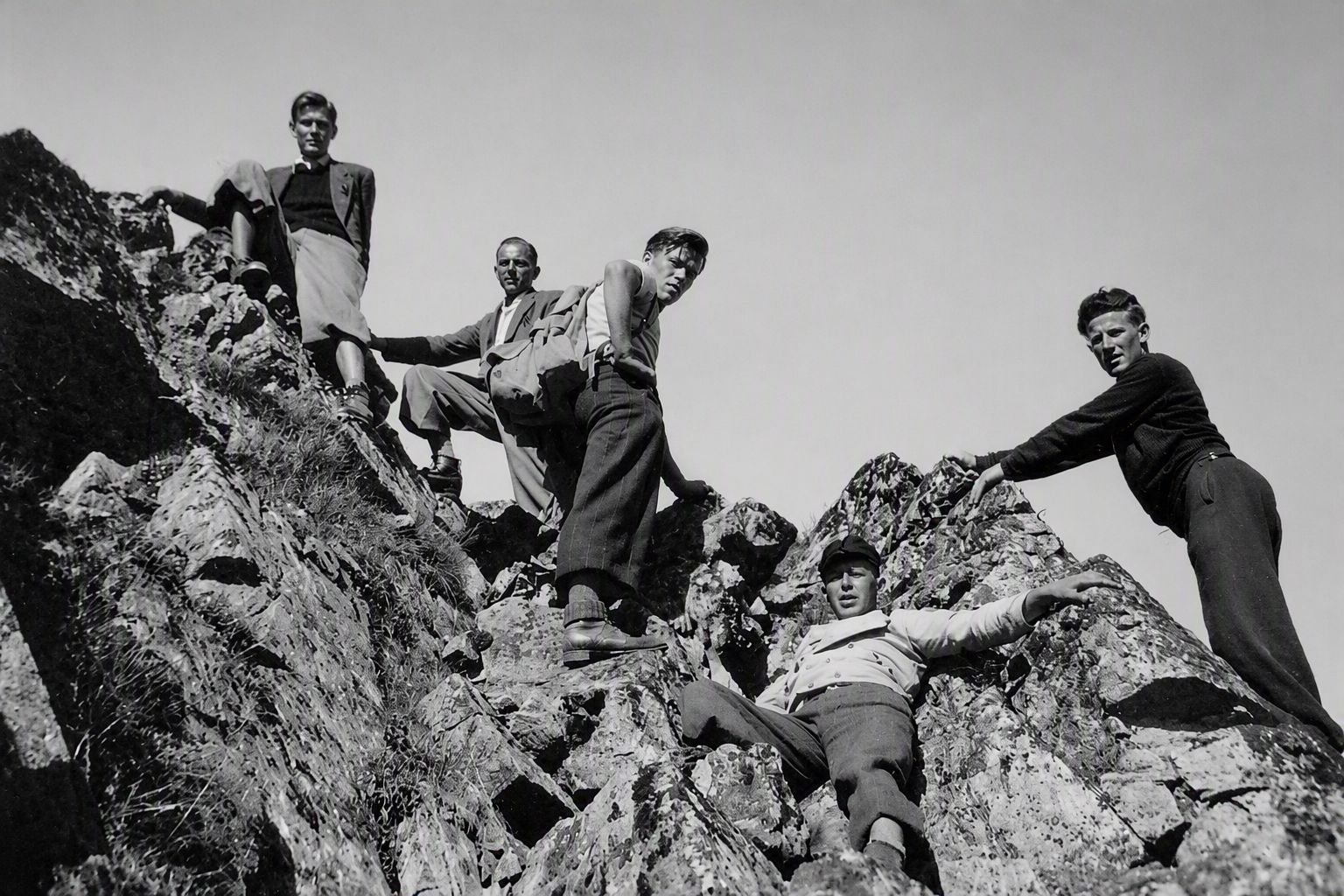
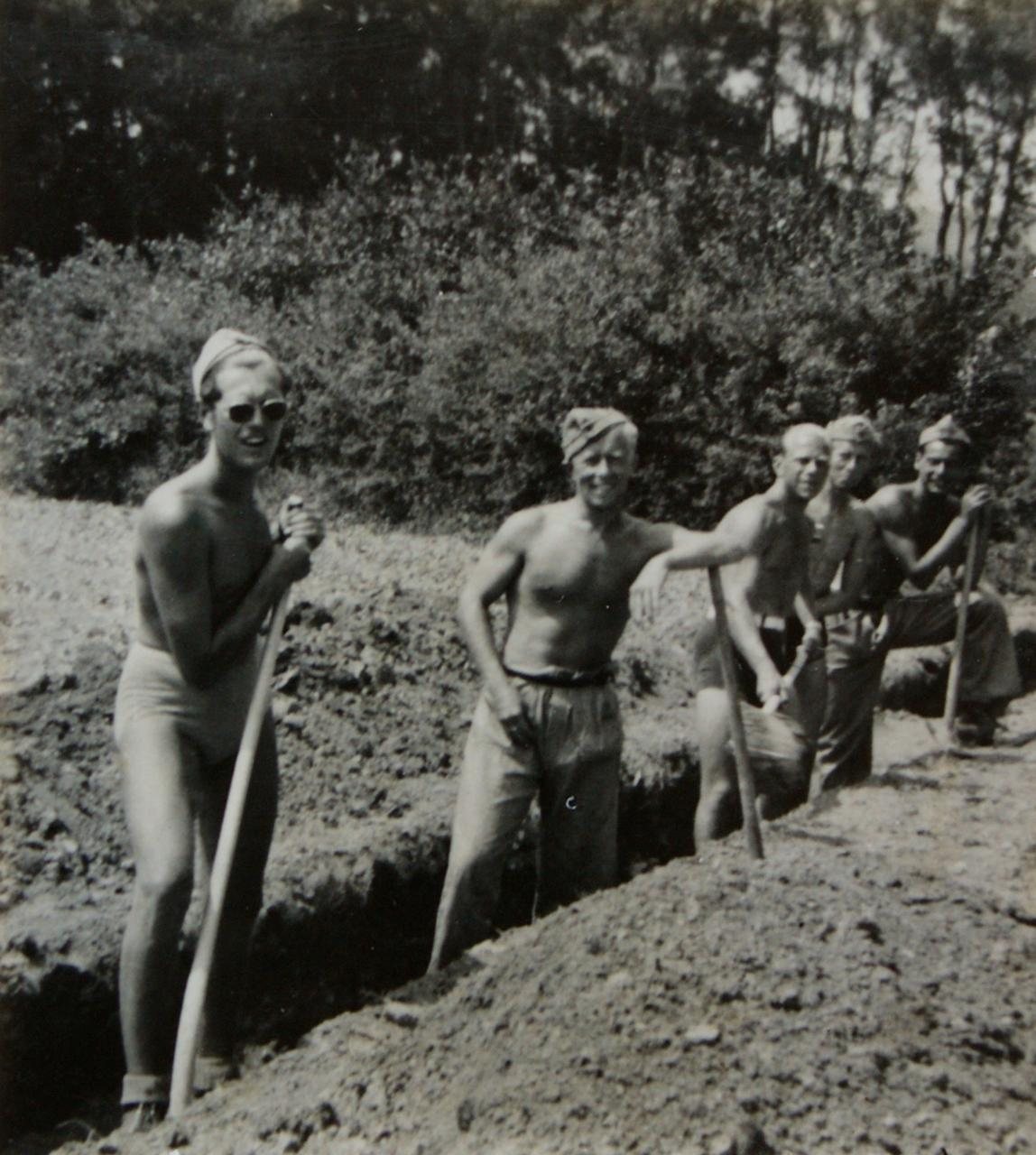
The routes in photographs

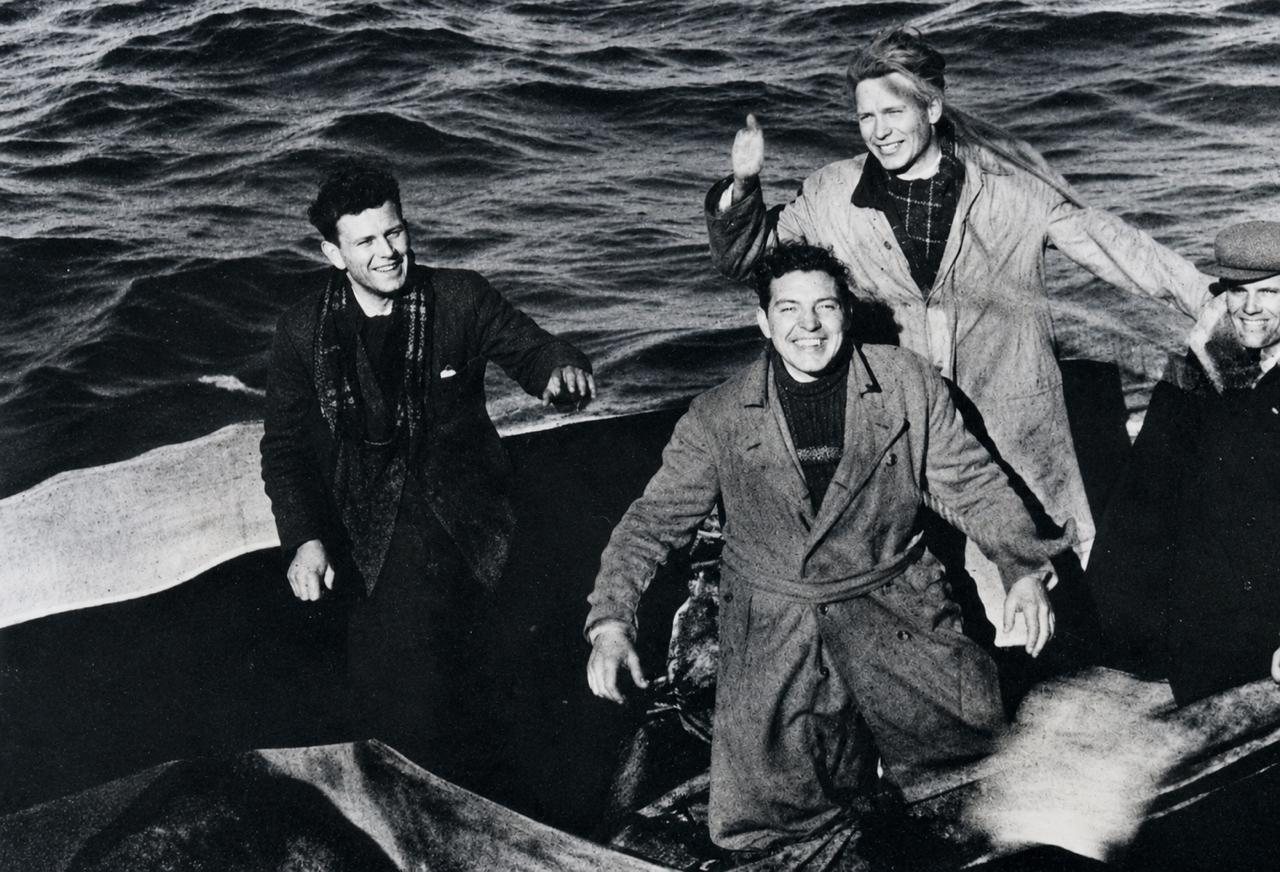
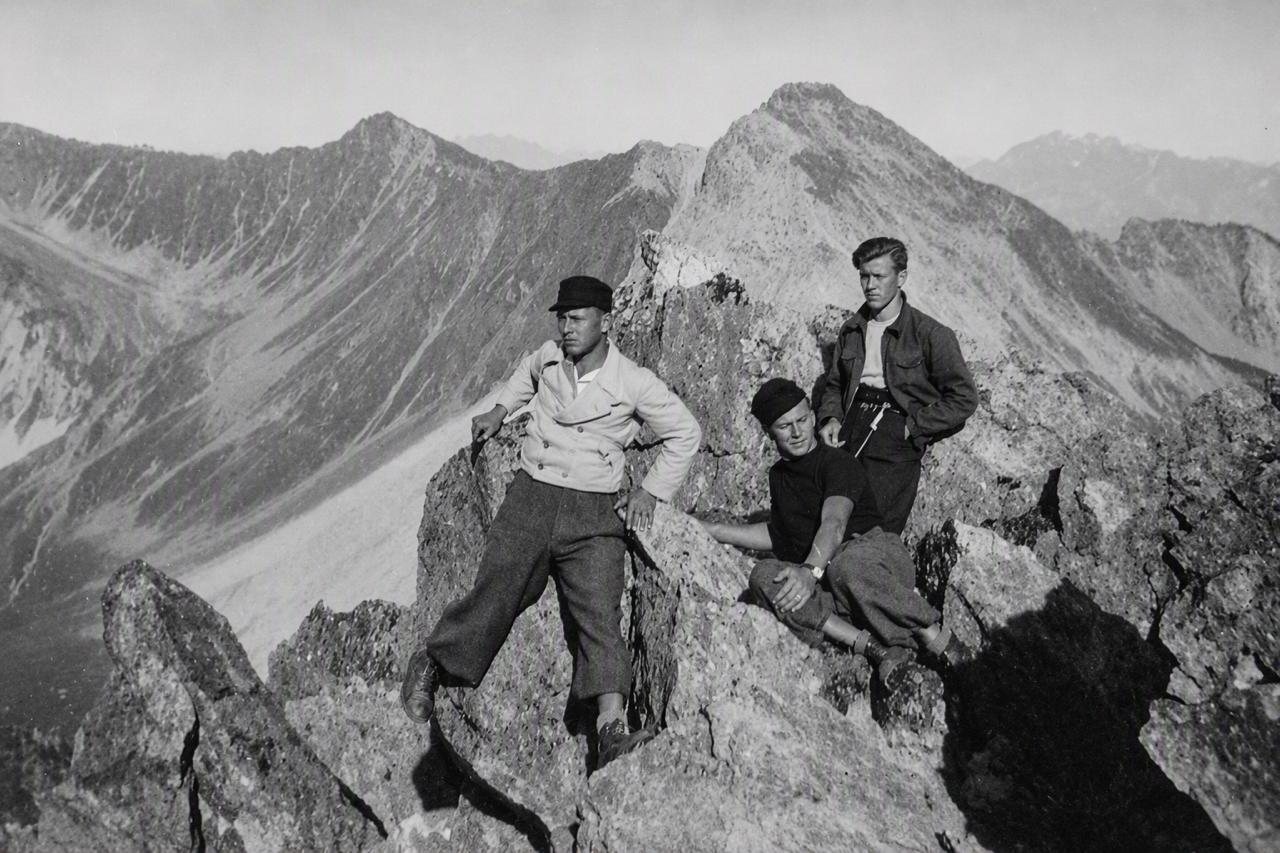
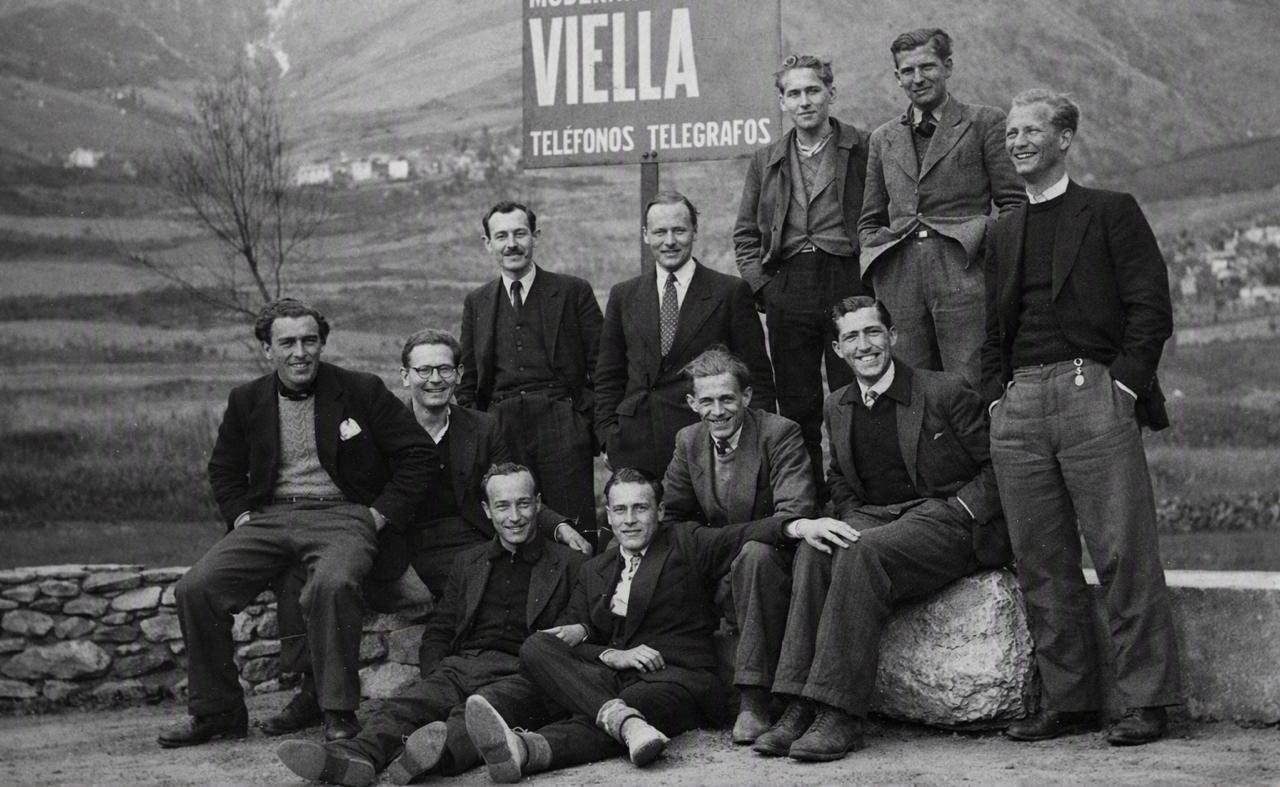
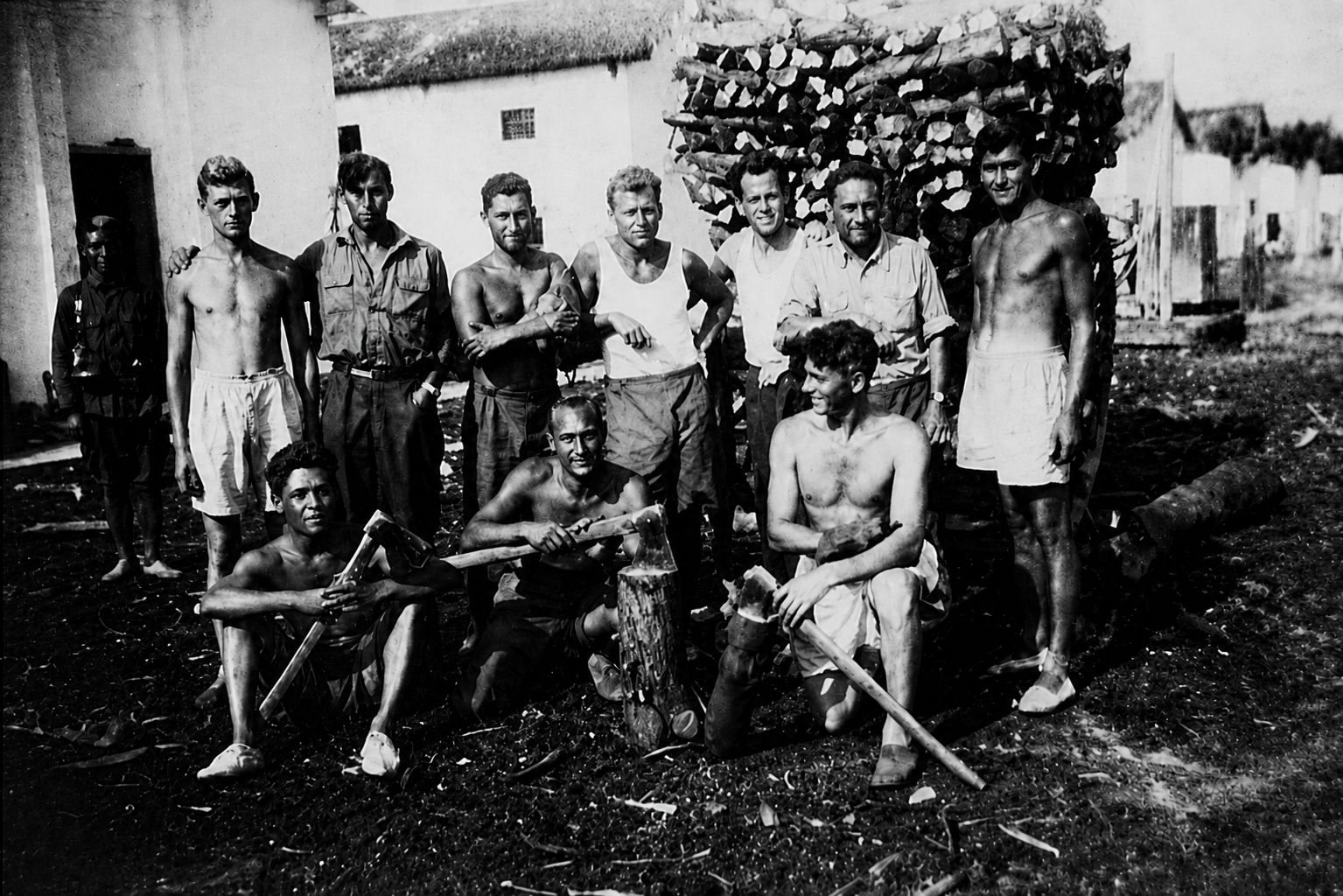
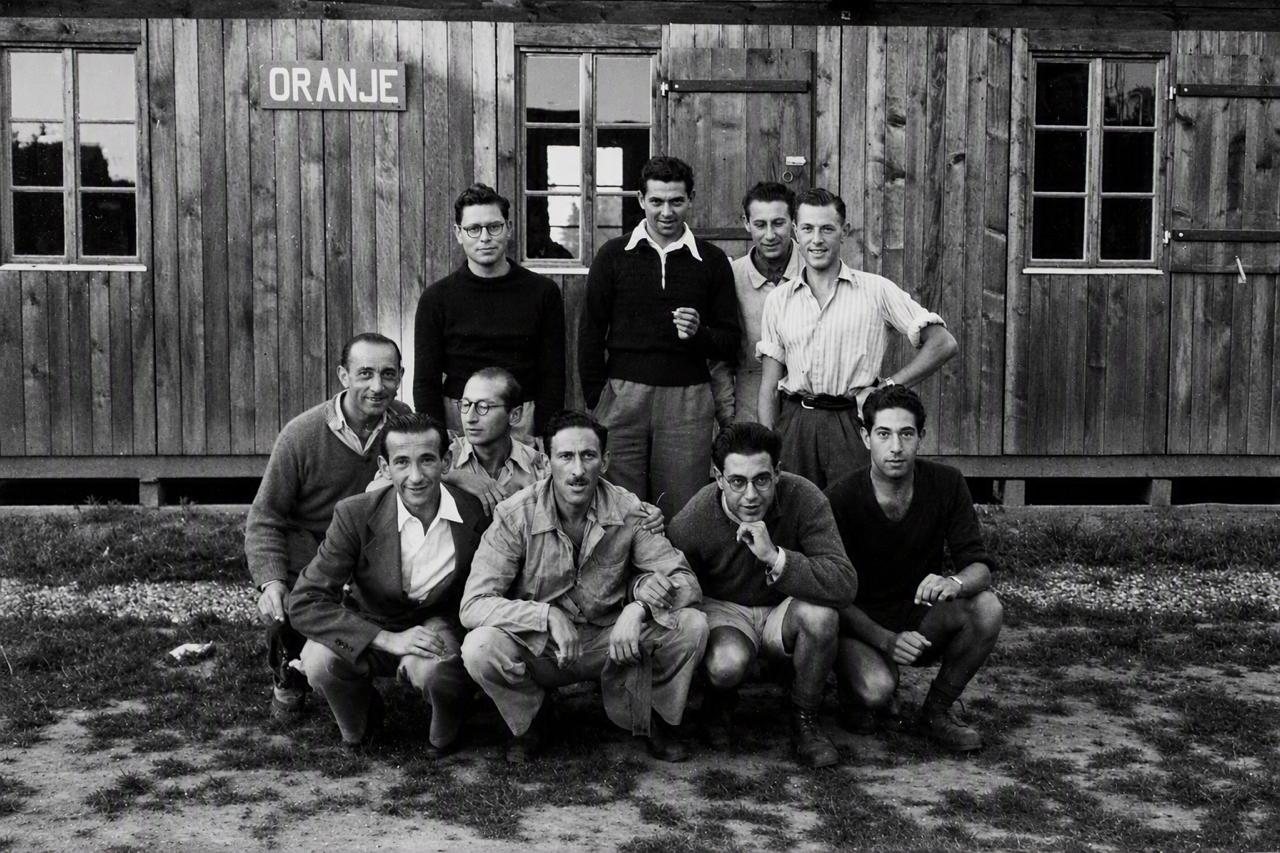
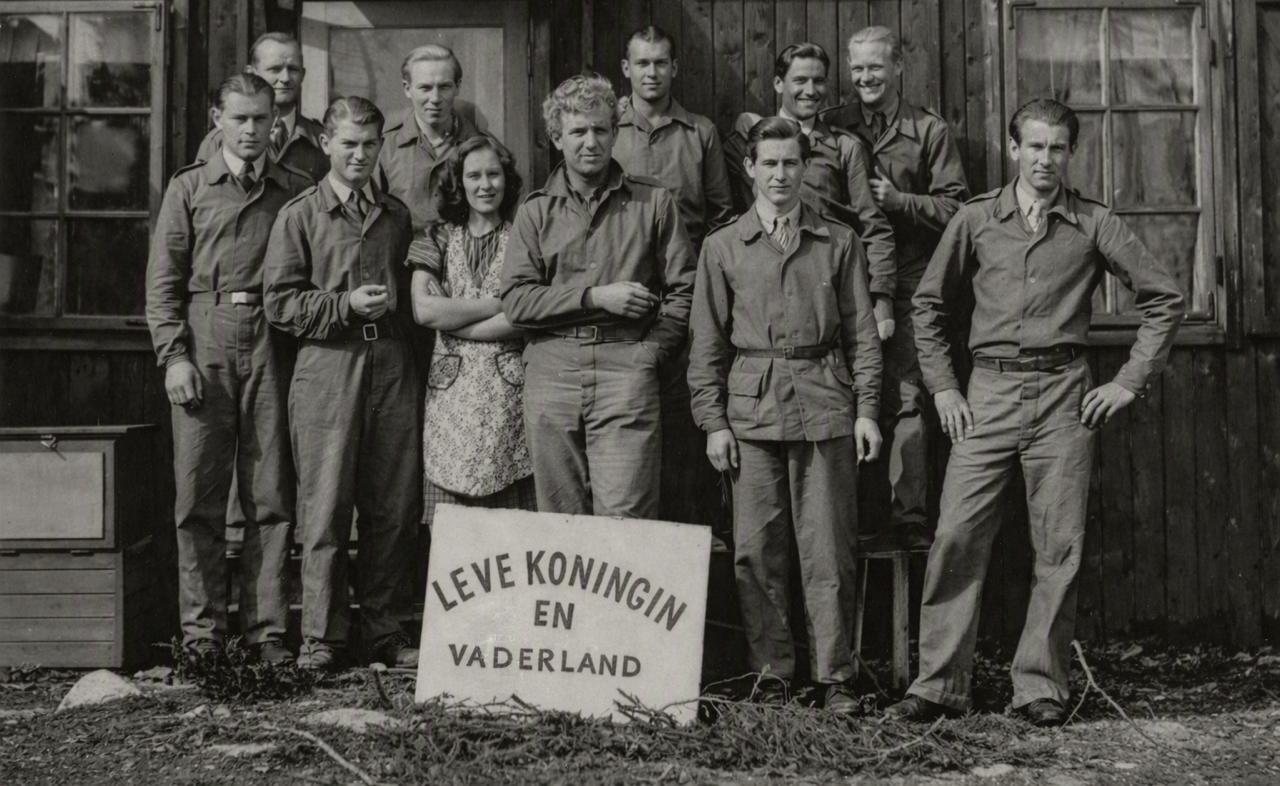
Some of those who made the journey took a camera with them, or had their picture taken along the way. Twelve images from the collection, in the order of the three routes.

North Sea route: “Engelandvaart” by canoe.

North Sea route

“Engelandvaart” by canoe.

And then: arriving in England

After the perilous crossing came the interrogations, Queen Wilhelmina and their war service.

Read about In England