Back into that filthy wet suit at half past midnight
By Jos Teunissen
‘When I think of Noordwijk, I see endless waiting by a grey sea, in the cold.’ The actor Jeroen Krabbé still remembers filming Soldaat van Oranje very clearly.
On the table lies a thick album of photographs he took in 1976 on the beach at Noordwijk during the shoot for Soldaat van Oranje. Some of the photos carry notes. ‘Up at 06.00 this morning, so tired, off to Huis ter Duin, back into that filthy wet suit. Poor Rutger, he couldn’t go on. Thank God the sea was calmer. The scenes were in the can quickly and well (?). Then a performance in Schoorl in the evening.’
Another photo shows Hauer (with a Sten gun) and Krabbé (with a suitcase holding a radio transmitter) stumbling across the beach. ‘Goodness, what a scene that was. We must have stood in the sea for five or six hours that day. Each time I had to climb from the boat onto Rutger’s shoulders, and then he waded through the sea to the beach with me on his back. That scene had to be shot not once but twenty, thirty, forty times. Every time the waves knocked him over and we both ended up in the water. It was horrendous. But it also created a kind of camaraderie, a sense of ‘come on, stop moaning, we’re doing this.’
And to think, he says, ‘that every evening I had to perform in a completely different play, together with Ko van Dijk. I’d leave the beach at around five in the afternoon, and after the performance I’d be back on the beach at about half past midnight, put my suit on and go back into the sea. In the meantime Rutger had done all sorts of other scenes without me. Filming went on non-stop; sometimes you just kept going because the schedule didn’t allow a scene to be left unfinished.’
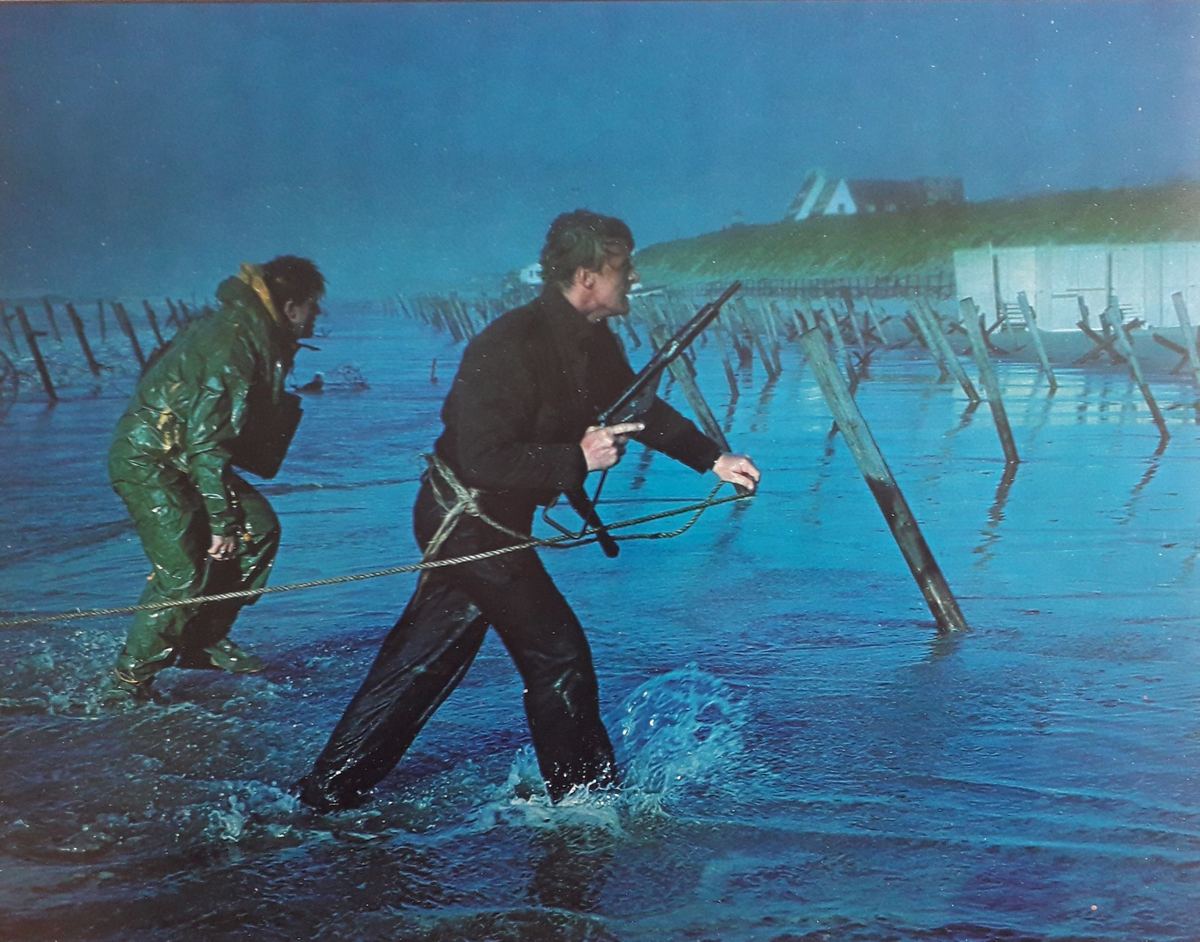
There is also a photo in which some kind of search seems to be under way. ‘That’s right. I’d lost my Sten gun in the sea. A real one! I was on Rutger’s shoulders and a wave knocked him over. I went under with him and the thing was knocked out of my hands. It was never found. Perhaps it washed up somewhere, or there’s still a real Sten gun lying on the seabed. Look, in this photo you can see the sand blowing. That was truly dreadful.’ He has written ‘Fun?’ next to it. ‘Well, it was no fun at all.’
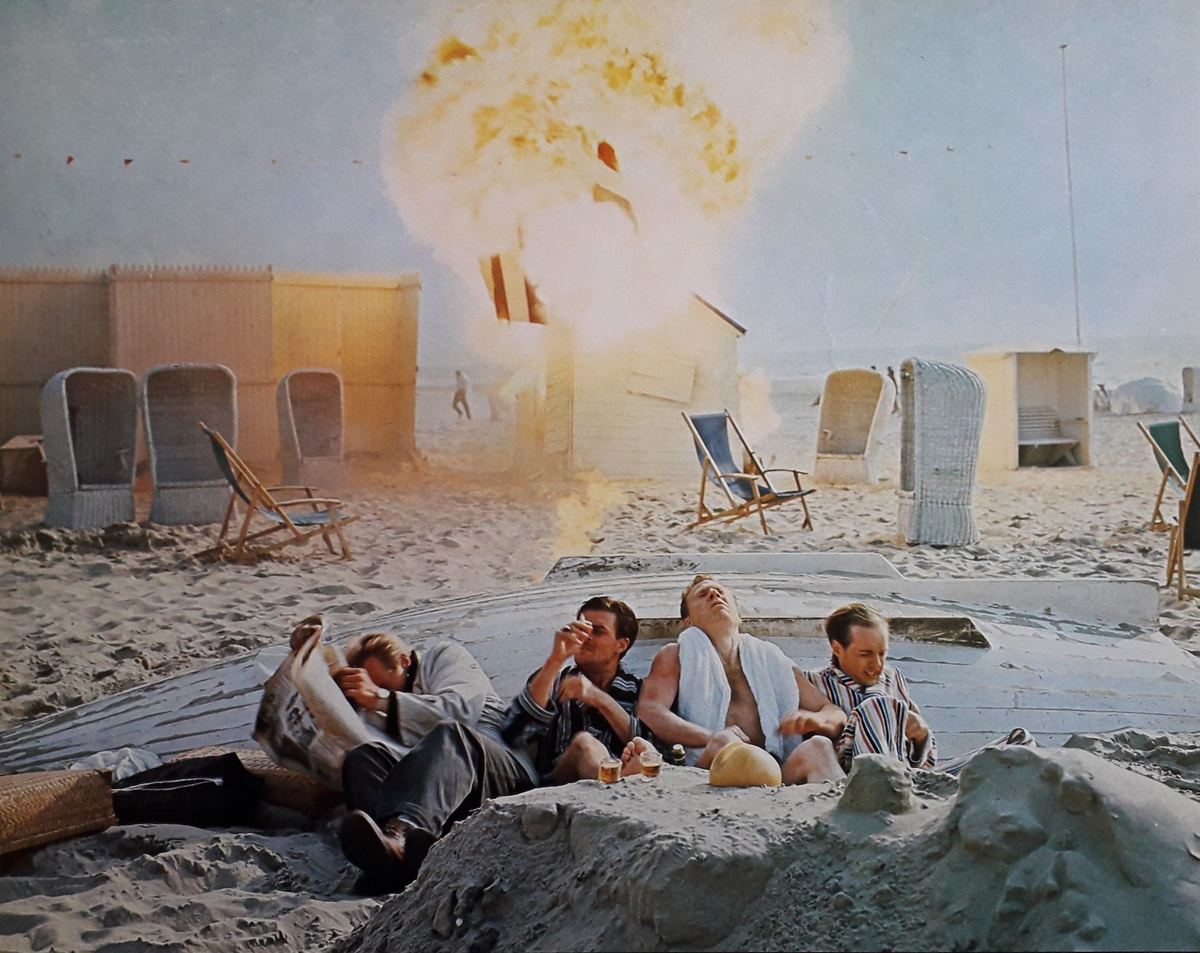
The scenes were shot on the beach by Huis ter Duin. ‘That stood in for the Kurhaus in Scheveningen, where this part of the story really took place. We couldn’t film at the Kurhaus any more; all the rebuilding had completely ruined it. The beach scenes in Noordwijk came out very well, with that dark sky and the lights inside. I remember very clearly that we shot the drunk scene in front of the hotel. Inside we did the dance scene, and I needed someone to open the ball with. I suggested asking my mother, not knowing that it was in the script too: Guus dances with his mother. She was happy to do it, but the poor dear had to wait for hours and hours. So the fun soon wore off. Still, she and I loved doing it together.’
‘Look, here I am lying on the beach with a book in my hand. I often sat there more or less at my wits’ end, waiting for the next scene to be filmed. Well, if something went wrong technically, you could easily be waiting on that beach for hours. You couldn’t go anywhere else; you simply sat there.’
The museum holds a short documentary about the making of Soldaat van Oranje, from which the above article has been compiled. With thanks to Wim Baalbergen.
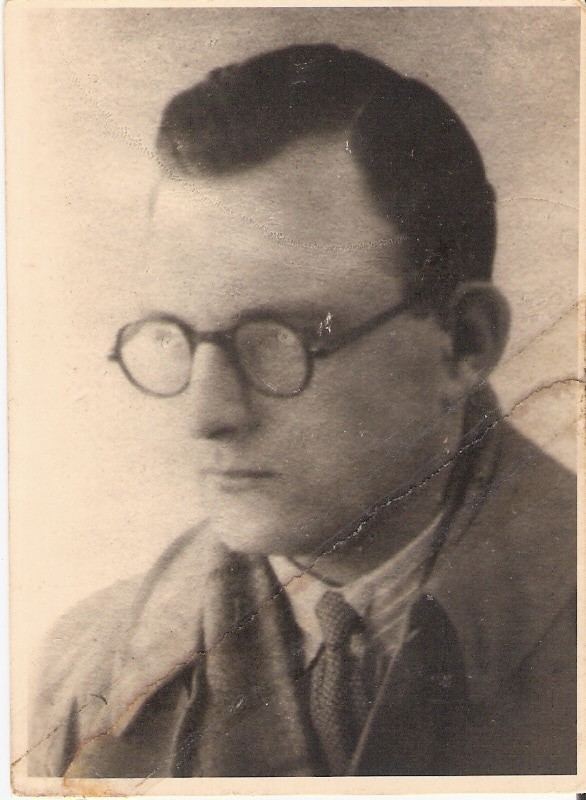
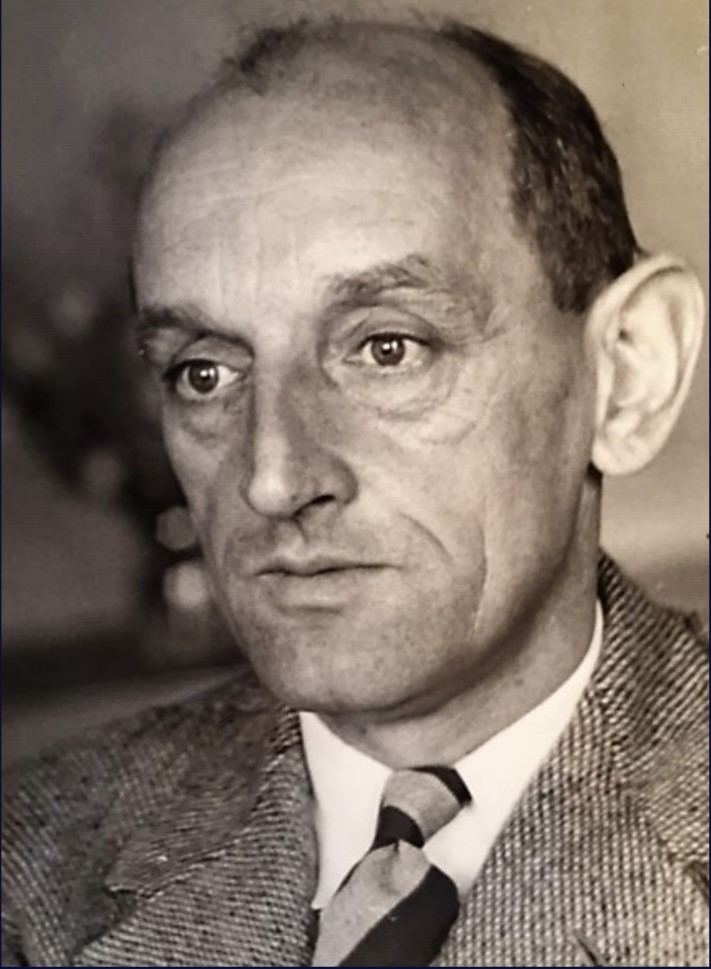
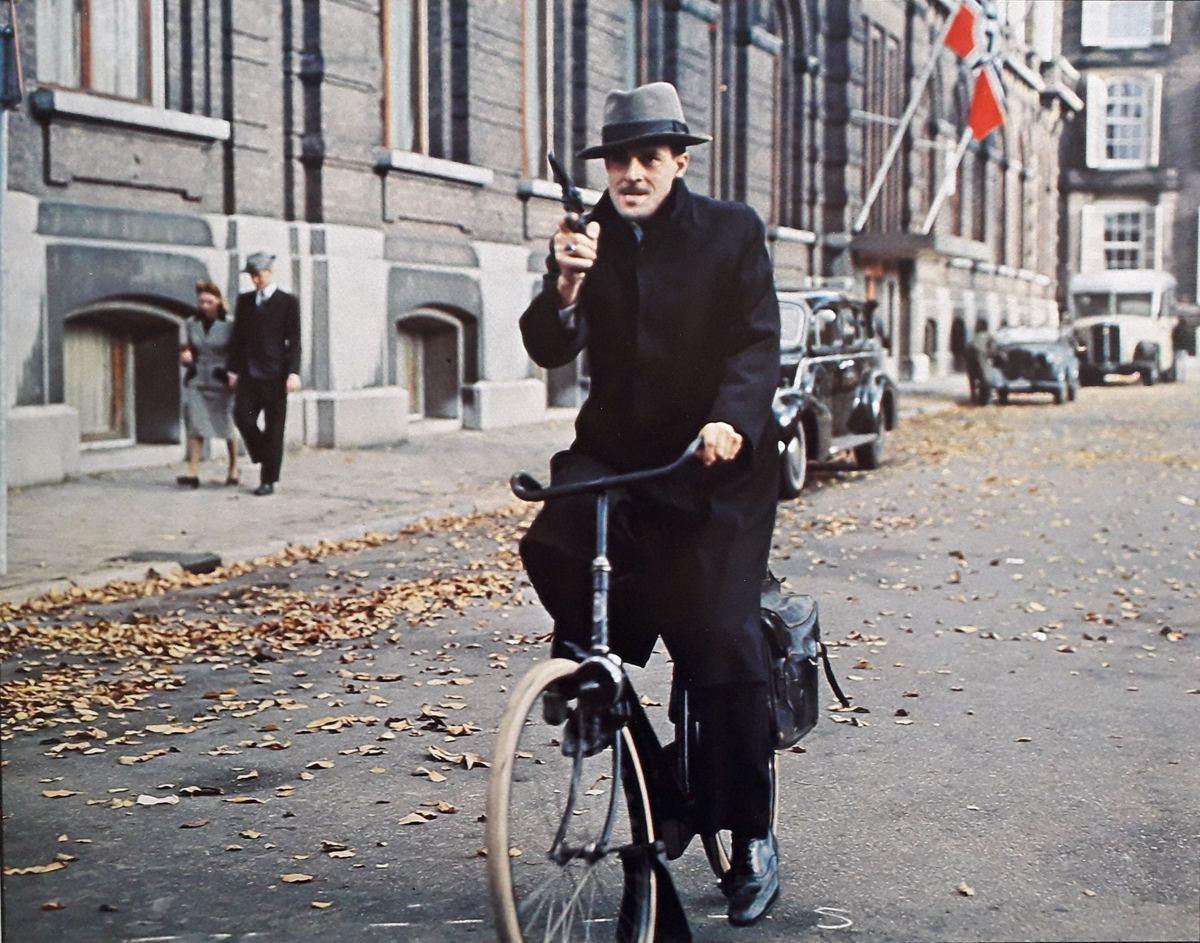
In the film Jeroen Krabbé plays Guus LeJeune, a character who combines three “Engelandvaarders”: Peter Tazelaar, Ernst de Jonge and Chris Krediet.
The opening scene (the initiation at the club of the Leidse Studentenvereniging Minerva, the Leiden student society) was filmed at the Phoenix club of the Delftsch Studenten Corps, because Minerva’s old clubhouse had burnt to the ground after a cigar party after the war.
The German bombing of the Alexanderkazerne in The Hague was filmed at the Prins Willem III barracks in the centre of Amersfoort, which was due to be demolished, so real damage could be done to the buildings. The same goes for the ‘English’ scenes with Susan and her boss Rafelli, the beheading of Guus and the shooting practice with Hitler dummies.
The Queen’s London residence was filmed in the garden of the former Red Cross headquarters on the Prinsessegracht in The Hague. The Leiden building that houses Café Barrera served as the location for Erik and Guus’s student house.
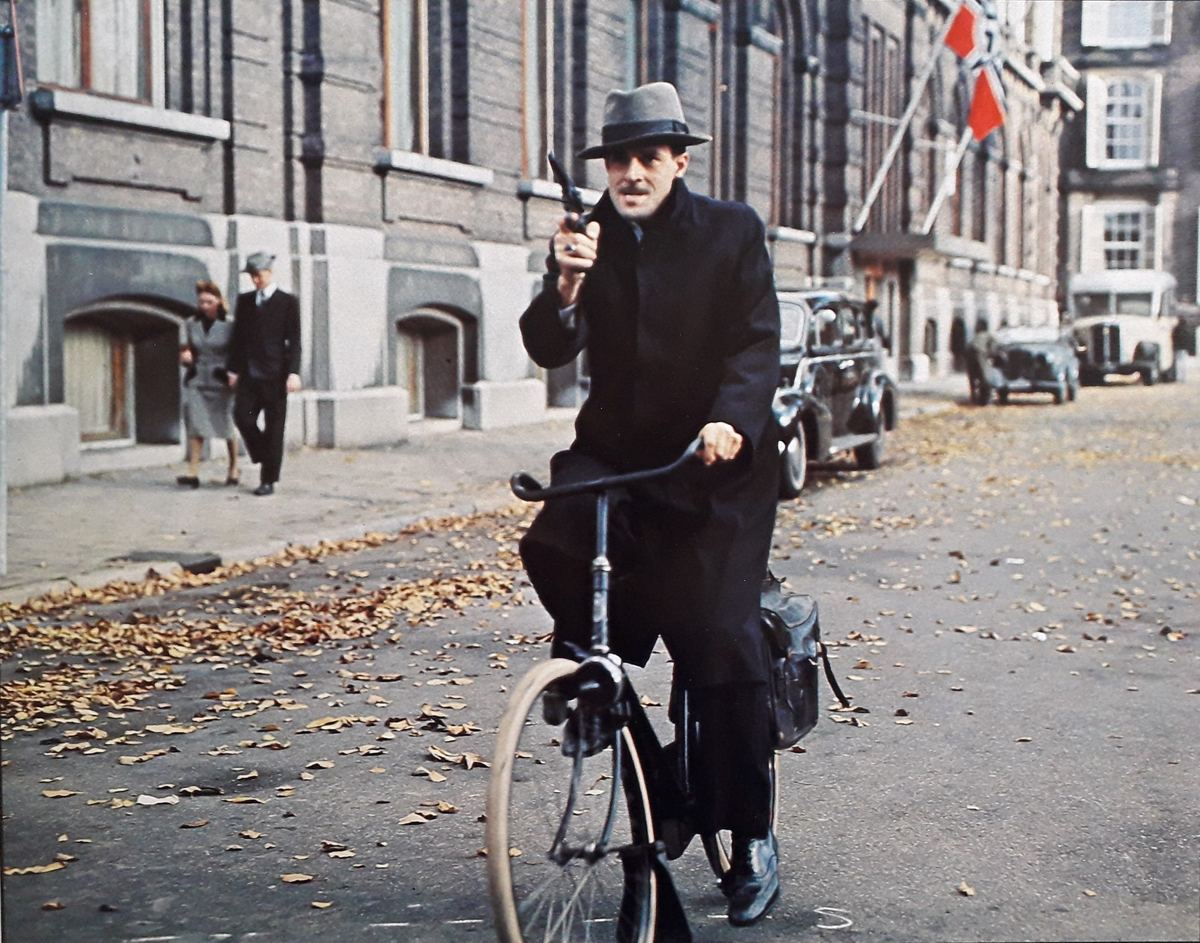
From 22 September 1977 the film was shown in 60 cinemas. Dutch film critics were lukewarm. ‘Does nothing for film culture in the Netherlands’ (NRC), ‘The daring feats performed by the swashbuckling heroes Erik and Guus are predictable and hold no surprises’ (Het Parool) and ‘Abroad, films like Soldaat van Oranje are two a penny’ (Trouw). AD, Telegraaf and Volkskrant were more positive.
The film drew 1.5 million viewers and in 1979 was nominated in America for a Golden Globe Award in the Best Foreign Language Film category. In 2006 filmwereld.net named Soldaat van Oranje the best Dutch film of all time (based on a poll of 9,000 visitors to the website), and in November 2022 it was added as cultural heritage to Unesco’s Dutch Memory of the World register.