by Jos Teunissen
Scratched into the walls of cell 362 in the ‘Oranjehotel’ are these names and dates: De Wit 9-12-’41 Scheveningen, Spier 9-12-’41, Polak 9-12-’41, Mrs Spier-Bendien 9-12-’41. They belong to the people locked up there on 9 December 1941 after a betrayed attempt at an “Engelandvaart”.
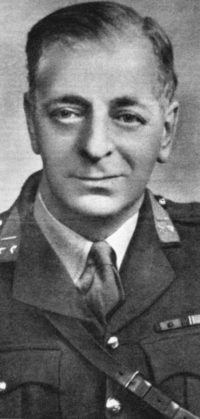
When the Second World War breaks out, 29-year-old Alfred Samuel de Wit has a general practice at Spoorlaan 96 in Tilburg. He was born in Amsterdam on 5 April 1911, the eldest son of Nathan de Wit, a shoe salesman, and Henriette Wolff. He has two younger sisters: Rosa (27) and Mary (25).
In 1920 the family moved to The Hague, where they lived at Carel Reinierszkade 259.
After finishing secondary school (HBS), Fred began studying medicine in Leiden at the age of 17, and after qualifying on 17 January 1936 he became a GP in Tilburg. There he worked as a doctor for the municipal poor relief board. He was also active in Tilburg’s club life, among other things as a board member of the riding club Hippos, a judge at bridge drives, chairman of the Tilburgsche Reddingsbrigade (lifesaving brigade) and chairman of the Vereniging Achdoeth Tilburg. In 1934 he became engaged to Emmy Rosa Hartog, then 23. They married in the synagogue in The Hague on 4 October 1937, and their daughter Jetty was born on 11 April 1939.
When mobilisation of the Dutch army is declared on 29 August 1939, Fred de Wit is called up too. In January 1940 he temporarily closes his practice to become a reserve medical officer. During the German invasion he takes part in the battle for the Grebbeberg. His wife Emmy and daughter Jetty flee to France immediately after the invasion on 10 May 1940, and from there manage to cross to England by ship.
After the Dutch army capitulates, Fred stays behind alone in Tilburg. He resumes his practice, but from 1 June 1941 Jewish doctors are banned from treating non-Jewish patients. He hands his practice over to the GP W. van de Loo. Given the small size of Tilburg’s Jewish community, there is little work for De Wit from then on. He starts working for the (Jewish) Coordination Committee (JCC), which has an office in Tilburg at Telefoonstraat 5A. He is also involved in setting up Jewish schools, which are needed because from September 1941 Jewish children are no longer allowed to attend ordinary schools.
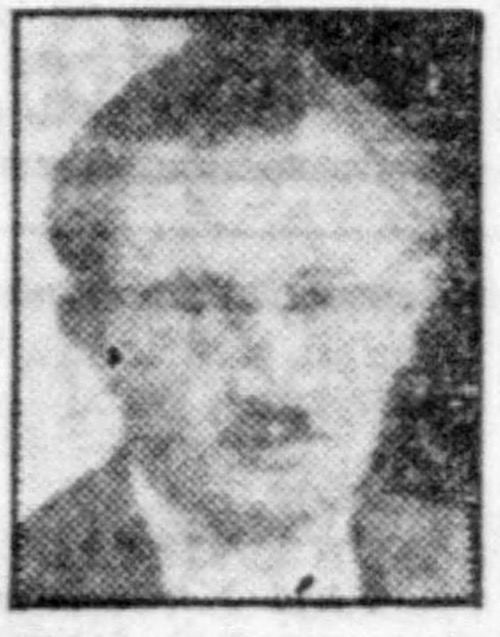
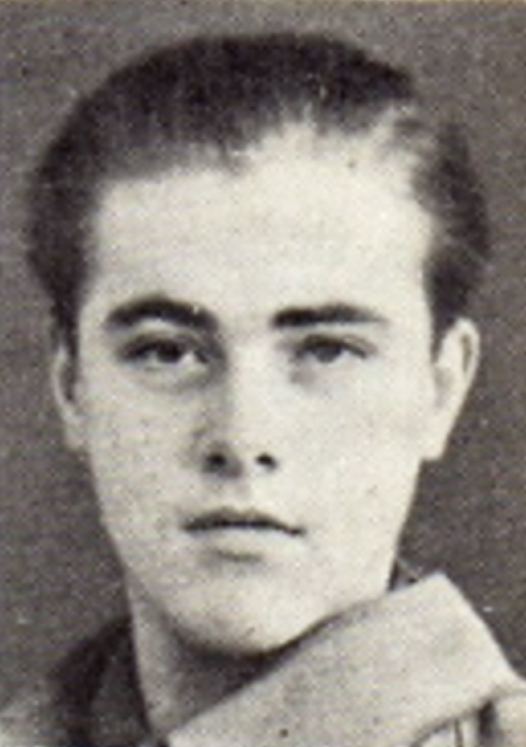
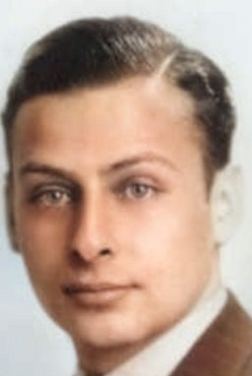
In early December 1941 Fred decides to try to escape to England together with his friend Bertram Polak (23), a leather merchant, Robert (‘Bobby’) Spier (28), director of a leather factory in Tilburg, and Spier’s wife Tineke Bendien (21). A married couple has made them an offer: for a fee, they can be taken by boat from Scheveningen to England. On 9 December they travel by train to The Hague, but on arrival at Hollands Spoor station two Hague police officers and the SD man Kurt Bläse are waiting for them. They have walked into a trap.
The four are taken as Schutzhäftlinge (protective custody prisoners) to the prison in Scheveningen (the ‘Oranjehotel’). On 2 February 1942 the three men are transported to Kamp Amersfoort, where they are made to work in the so-called ‘Judenkommando’, and from there on 16 July ’42 to Auschwitz. On arrival Fred de Wit is selected as ‘arbeitsfähig’ (fit for work) and has the number 48459 tattooed on his right forearm. He was probably killed in or near Auschwitz in September 1942. His ‘official’ date of death is given as 17 July 1942, the day he arrived in Auschwitz.
Bertram Polak and Robert Spier died in Auschwitz on 17 August, and Tineke Bendien in Mauthausen on 19 March 1945. A ‘Stolperstein’ (stumbling stone) has been laid in Tilburg for each of the four.
Sources:
de Beer and G. Kobes: Het leven gebroken – De geschiedenis van de Tilburgers die als gevolg van de strijd tegen Duitsland en de bezetting om het leven kwamen, Tilburg 2002
Arnoud-Jan Bijsterveld: Gedenkteken voor slachtoffers en overlevenden – Het verhaal achter de ‘struikelsteen’ voor Bertram Polak (1918-1942). In: Tijdschrift voor geschiedenis, monumenten en cultuur 29 no. 1 (2011), pp. 3-14
Nationaal Monument Oranjehotel
The Hague Municipal Archives, register of persons
Struikelstenengids (Stolperstein guide), Stichting 18 September