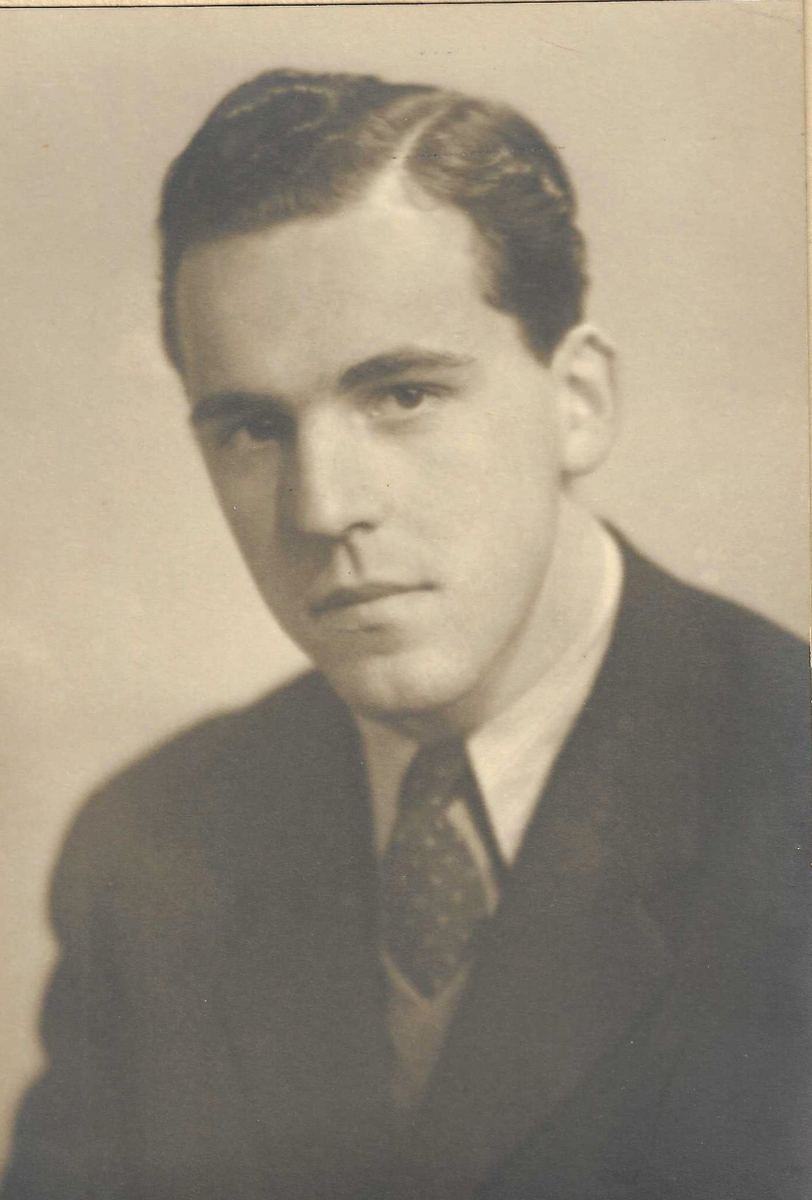
In a three-part series I trace the resistance past of the “Engelandvaarder” Herman Friedhoff. The first instalment (December 2024) told how, as a romantic young man, he became involved in the resistance. In this instalment, that resistance takes a serious turn.
A number of years ago I happened to meet Falco Friedhoff at the farewell to the Catalina, which, after years of loyal service, left Lelystad Airport for the United States. Falco has a great love of old machinery and was the in-house filmmaker for the foundation that kept the Catalina flying. By chance we got talking about the wartime history of Falco’s father: Herman Friedhoff.
Falco has always been fascinated by his father’s war history. As a small boy he would put on his father’s uniform and play soldiers in the dunes near The Hague and Scheveningen. Later he helped his father with the Dutch edition of his book Requiem voor het Verzet, which Friedhoff senior based on his own experiences during the war. This is the second part of a series that began in the previous newsletter.
Relationship with Wiardi Beckman
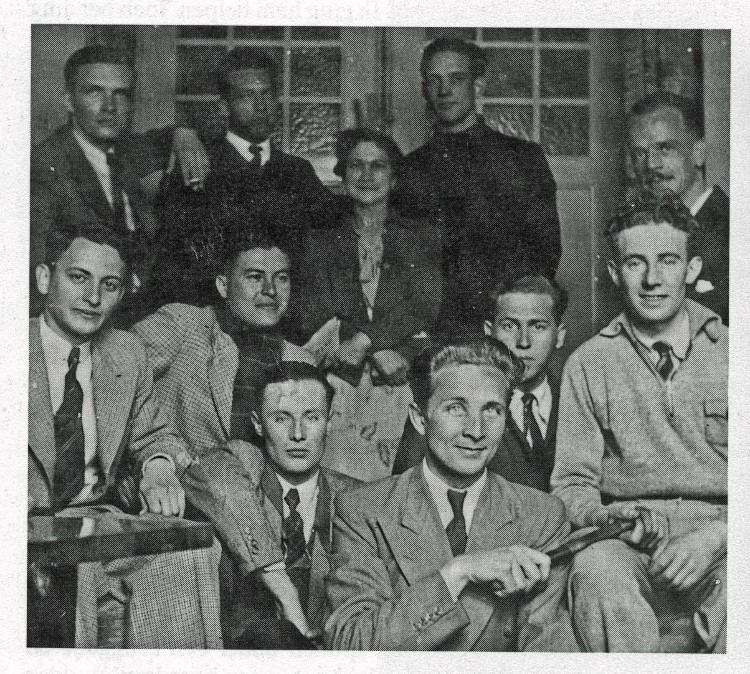
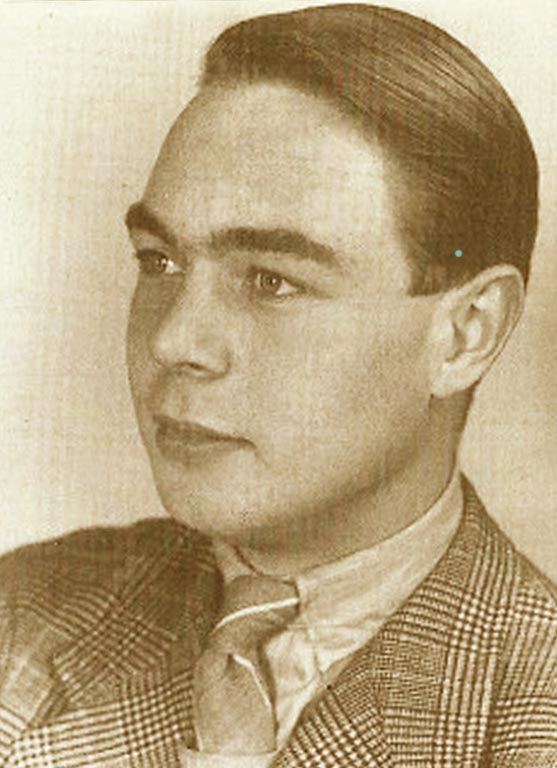
Because of his connection with Stuuf Wiardi Beckman (1904-1945), Herman Friedhoff became one of the go-betweens linking Wiardi Beckman, other resistance people and prominent Dutch figures who were not necessarily directly involved in resistance work but did take part in discussions about plans for the post-war Netherlands. In the course of 1941 it was decided that Wiardi Beckman should go to England to present the committee’s work to the government in exile. The journey Beckman would have to make carried too many risks, so Friedhoff offered to go in his place. He consulted a number of resistance people from Beckman’s network to work out a route to England. One of them advised Friedhoff to contact an architect from Hengelo who was involved in a route to England. One of this architect’s associates, a schoolmaster, later turned out to be a collaborator: according to Friedhoff, he had a hand in betraying the attempt by Erik Jurriaans, Friedhoff’s school friend from Baarn, to escape to England.
After this attempt failed, Friedhoff made new contacts in The Hague and the Gooi area who were in touch with the Orde Dienst of ‘Uncle Alexander’ Schimmelpenninck and with the agent Aart Alblas, alias Klaas, who had been parachuted in from England.
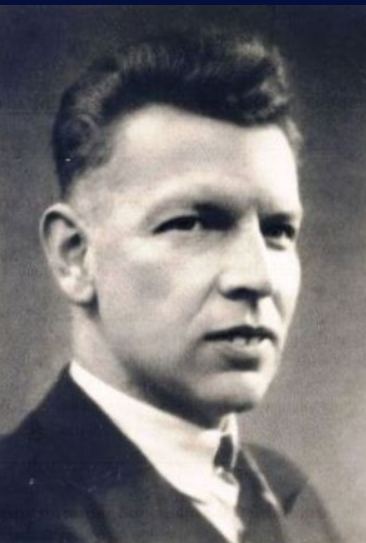
Meanwhile, in England, work had begun under British direction on setting up a regular exchange of people and materials between England and the occupied territory across the sea. In England, too, Beckman was on the list of people to be brought out of the Netherlands. Before the war he had secretly been an adviser to Queen Wilhelmina, and on arriving in England he would have been a welcome addition to the cabinet because of his knowledge of relations between the various resistance groups.
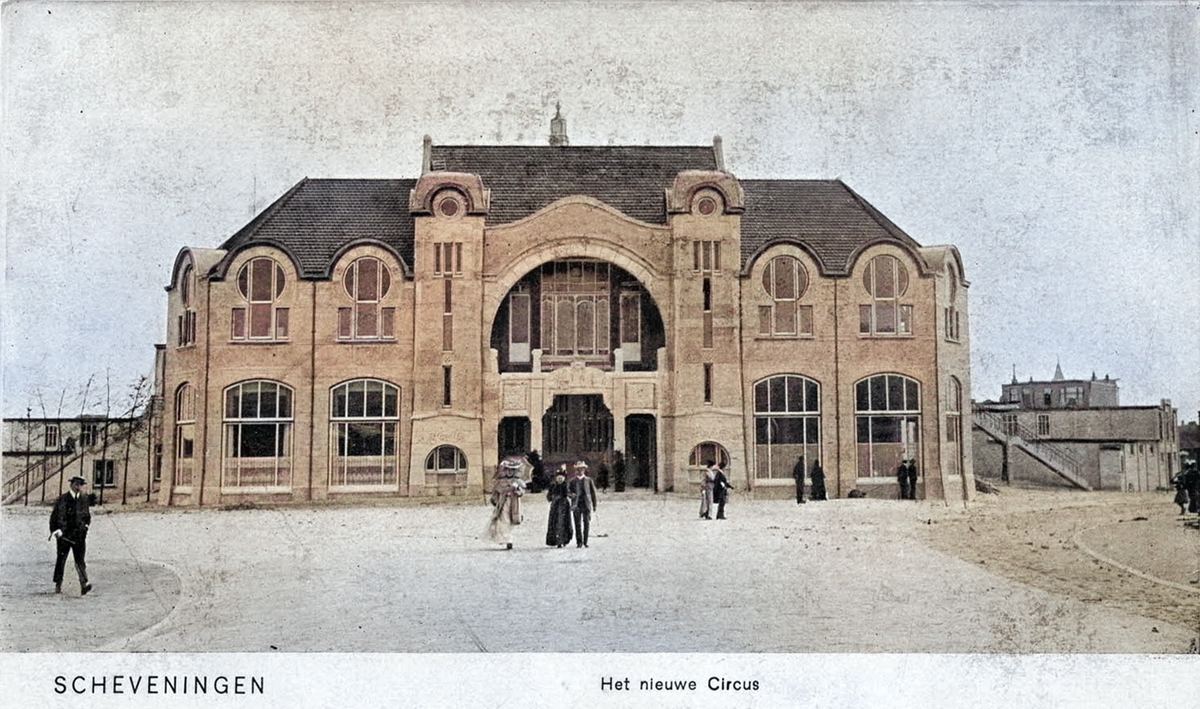
When this direct link with England became available, Beckman decided, against the advice of friends, to go to England himself. However, this attempt to get Beckman away from the beach at Scheveningen to England failed through betrayal.
Attempts to escape to England himself
When Friedhoff heard that Beckman had been arrested, it was clear to him: I have to get out. His first attempt came to nothing because he fell ill. He did not give up, and on 9 May 1942 he made a fresh attempt with his friend from Haarlem, Garrelt van Borssum Buisman. Friedhoff had arranged addresses in Belgium where they could spend the night; in all likelihood he had collected these for his plan to escape to England as Beckman’s go-between. At some point the two friends lost each other in Namur, and Van Borssum Buisman travelled on with the “Engelandvaarder” Philip Jacobs.
Friedhoff returned to Amsterdam, picked up some of his contacts and went back to work as a go-between. He made one more attempt to reach England, with Adriaan Anton Thompson, but it soon foundered. Thompson was later arrested and imprisoned in Germany. Meanwhile, resisting the German occupation was becoming ever more deadly serious, and several of Friedhoff’s contacts were caught by the Germans and shot or deported to a concentration camp. Friedhoff, too, was a wanted man. That became clear on 7 August 1942, when he was at his parents’ home with his girlfriend Ellis Brandon, who worked as a courier for the resistance, and the Sicherheitsdienst rang the doorbell. Friedhoff and Brandon escaped over the roof.
The Germans still tried to catch the couple by arresting Friedhoff’s mother and holding her hostage. Friedhoff and Brandon decided not to fall for this ploy and went into hiding at various addresses, before setting off together for England on 28 April 1943. I will tell the story of that journey, and of what Friedhoff and Brandon went through afterwards, in the next and final part.