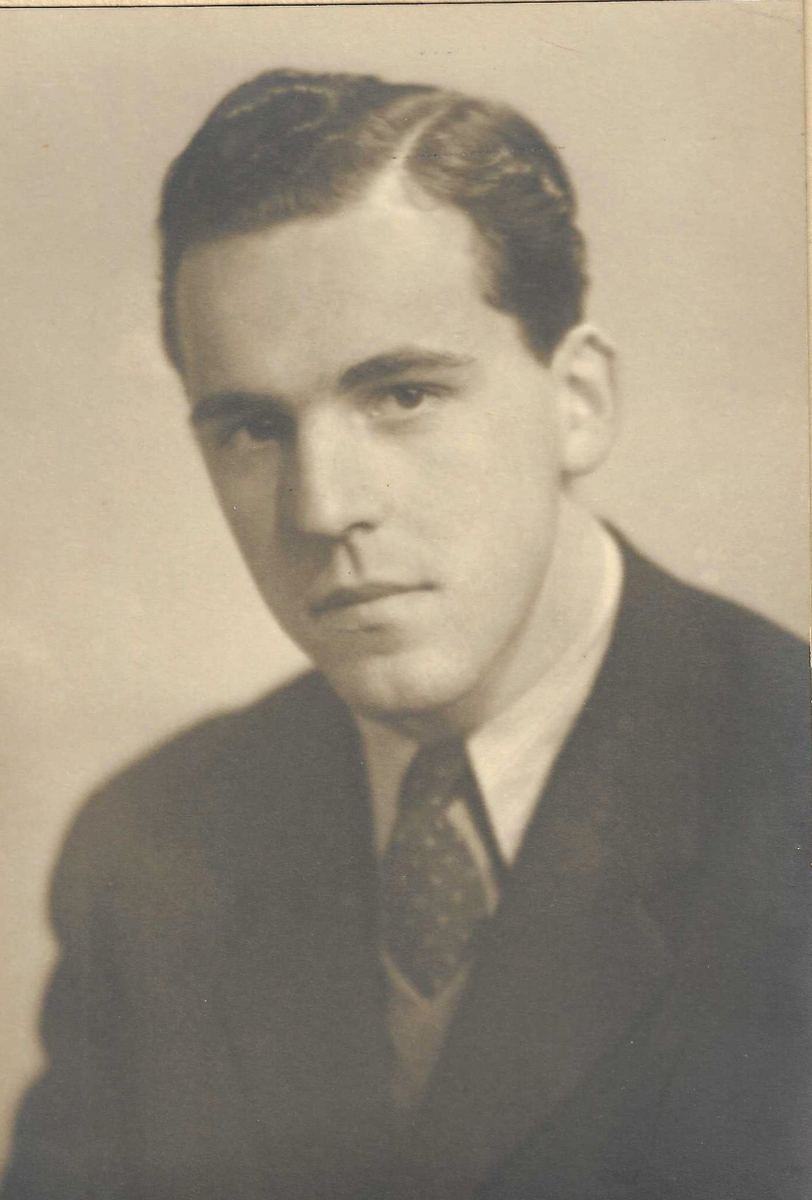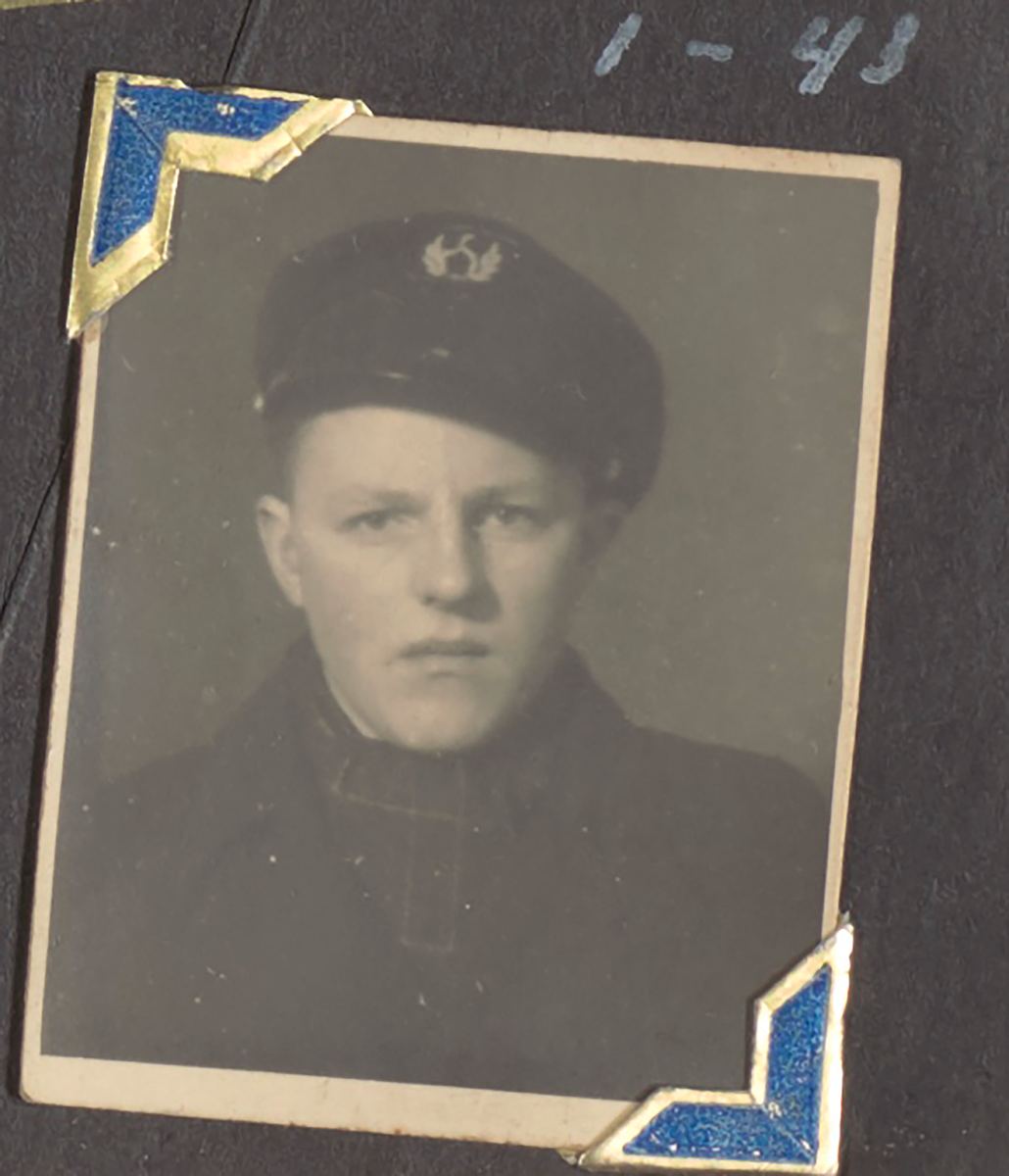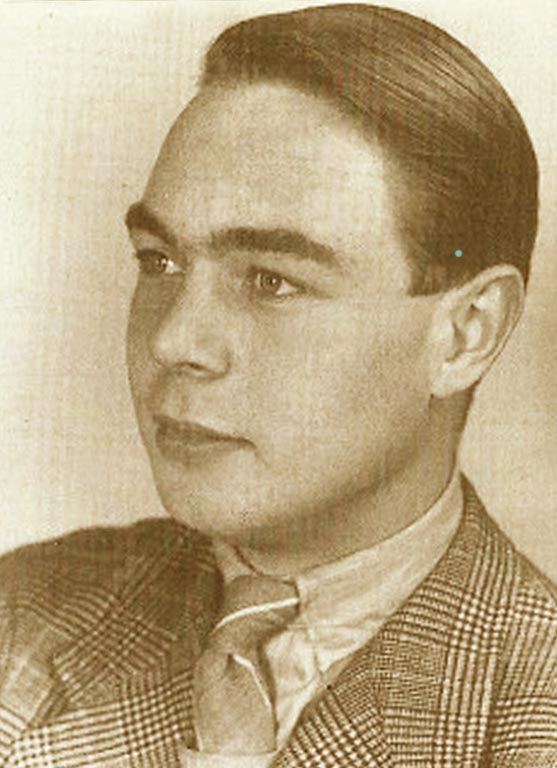
Soon after the German occupation began, Erik Hazelhoff Roelfzema and his friends Jean Mesritz, Carel Kranenburg and Erik Michielsen try to escape to England via the harbour at Scheveningen. On the night of 25 August 1940 this leads to a scuffle with two Germans, according to a recently discovered report by the Hague police.
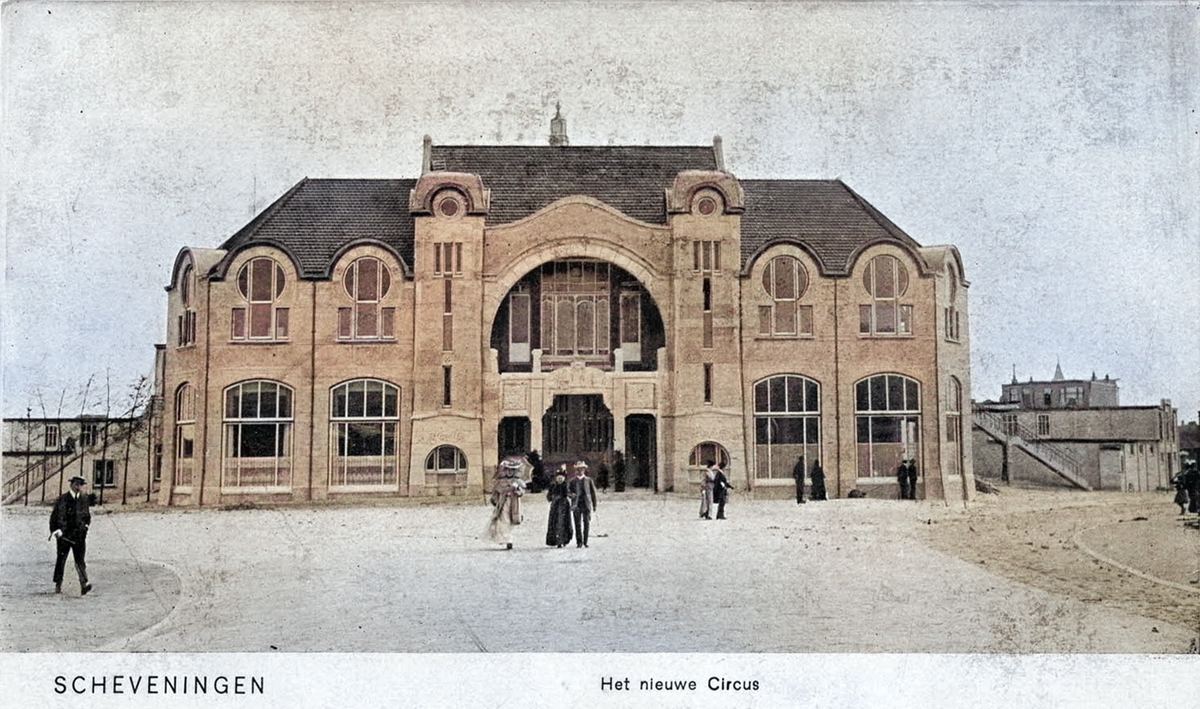
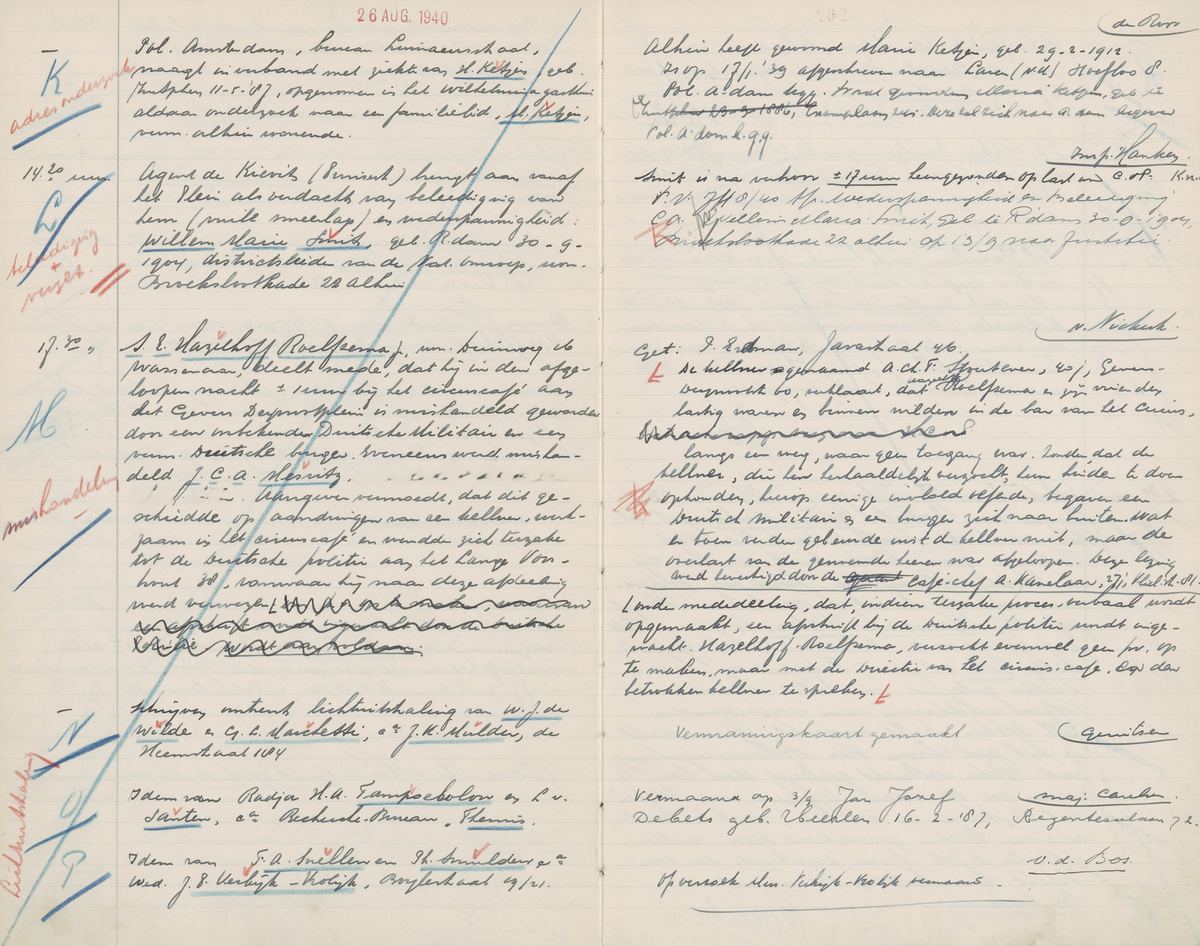
On 25 August the Hague police officer J. Erdman reports: ‘S.E. Hazelhoff Roelfzema jr., Duinweg 16, Wassenaar, states that at around 1 o’clock last night, at the circus café on the Gevers Deynootplein, he was assaulted by an unknown German soldier and a civilian, presumably German. J.C.A. Mesritz was also assaulted.’ The ‘circus café’ was the café-restaurant of what is now the Circustheater on the Gevers Deynootplein in Scheveningen.
The police report goes on to say that the assault took place ‘presumably at the instigation of a waiter employed at the circus café’. No details are given, but the blows were evidently hard enough for Hazelhoff Roelfzema to have ‘reported the matter to the German police at Lange Voorhout 38, from where he was referred to this department, with the instruction that, should an official report be drawn up, a copy is to be sent to the German police.
Hazelhoff Roelfzema, however, asked that no official report be drawn up, but that he be allowed to speak to the management of the circus café and the waiter concerned.’ Evidently he wanted to prevent the German police from getting wind of the attempts he had made a few days earlier to escape to England from Scheveningen.
The 40-year-old waiter, Anton Stouttener, told the police that ‘Roelfzema and his friends were being a nuisance’ and wanted to get into the circus bar ‘by a route where there was no entrance, without the waiter, who repeatedly asked them to stop causing a disturbance, having any effect on them.’ After the gentlemen had been sent away, ‘a German soldier and a civilian went outside’, after which blows were apparently exchanged on the square. The waiter was evasive with the police. He did not know what else happened outside, ‘but the nuisance caused by the said gentlemen had ended’, the report says. His version of the incident was confirmed by the café manager, Albert Kavelaar.
‘Please go home’
The incident is remarkable, because only a few days earlier Hazelhoff Roelfzema and his friends had escaped arrest solely thanks to the alertness of a Scheveningen skipper and a ‘bathing attendant’. What possessed them to draw attention to themselves in the resort afterwards?
His first attempt had been twelve days earlier, on 13 August. He writes about it in his book Soldaat van Oranje, published in the early 1970s: ‘After a week of talking to fishermen, herring sellers, policemen, German soldiers and idlers in cafés, on the quay, at fish stalls, on the tram and on the benches along the promenade’, at around half past nine in the evening he knocks unannounced on the door of Arie van der Zwan, skipper of the SCH 107, who lives in ‘a small green house just behind the south promenade’. Van der Zwan sells him a dinghy in which he, Mesritz, Kranenburg and Michielsen can sail to England. Their friends Herman van Brero and Chris Krediet are to keep watch from a distance for any approaching German patrol. On the night in question they stand ready to leave in sailors’ clothes, ‘Carel with a life-sized pistol in his belt’. But skipper Van der Zwan, ‘shaking with nerves’, no longer trusts the plan. ‘Here’s your money back. I’ve got two German soldiers coming aboard tomorrow. I’m sorry for the Queen, but please go home.’ The attempt is called off. ‘What was missing was a little, a tiny little bit of luck,’ Erik writes in Soldaat van Oranje.
After another (failed) attempt on 15 August from the dunes near Noordwijkerhout, of which the German police had got wind, Hazelhoff Roelfzema tries again in Scheveningen. ‘In the Luxe Bad lay the dinghy of the Maatschappij Zeebad, a little rowing boat in which the lifeguard bobbed about among the swimmers. The authorities evidently did not consider it seaworthy, because it was allowed to stay high up on the beach at night. I was willing to chance it and chose 19 August for my departure. Jean and Carel were prepared to help push the boat out to sea.’ Cans of petrol and ‘a greasy little outboard motor’ were brought to Scheveningen by Mesritz and Kranenburg and, with the permission of a friendly ‘bathing attendant’, stowed ready in a beach hut. Their friends Jacques ten Brink and Alexander Rowerth dropped by to say goodbye. Towards midnight the moment came. ‘I turned the key of the beach hut in the lock, pulled the door open – no petrol!’
A complete failure
In Soldaat van Oranje Erik describes how, ‘a few days later’, he heard from the bathing attendant what had happened: probably because of the heat, the caps had burst off the cans. The whole sunbathing area smelled of petrol and the bathers had complained to the attendant. He realised at once that possessing petrol was illegal, took the cans out of the hut and stored them in a shed at his home. So this attempt, too, had been a complete failure.
That evening Erik walked with the little outboard motor to the beach, to the breakwater he would steer for from England just over a year later during his secret operations on the north beach. ‘Scheveningen lay bathed in moonlight. For ten years I had roamed about here, as a boy, as a student. Ten happy years, on the promenade, on the beach, in the sea. (…) I lifted the little motor high above my head. It was the second engine I had hurled into the North Sea that week.’
There is reason to believe that late in the evening the friends went out to ‘celebrate’ the failure with a tour of the bars on the promenade, which was still accessible then. The tour evidently ended at around 01.00 in the circus café. The police report speaks of ‘Roelfzema and his friends’ (plural!). So he was probably there not only with Mesritz but also with Kranenburg, Michielsen and possibly Ten Brink and Rowerth too.
Of the group of friends, only Jacques ten Brink and Herman van Brero survived the war, besides Hazelhoff Roelfzema. Alexander Rowerth joined the Waffen-SS and was killed in Russia. Erik Michielsen reached England in May 1942 and died in an accident during his RAF training. Jean Mesritz and Carel Kranenburg were arrested during a later attempt at “Engelandvaart”. Mesritz died in Neuengamme concentration camp in March 1945. Kranenburg survived the war, but died in 1947 as a soldier in the Dutch East Indies when his armoured car came under fire from Indonesians.
- Source document: Ronald Klomp, Stichting WO2 Sporen