‘My dear, in England I hope to be able to do a great deal for you’
by Jos Teunissen
The museum has acquired film footage by documentary maker Falco Friedhoff about the life of “Engelandvaarder” Herman ‘Stuuf’ Wiardi Beckman, in particular the last days before his dramatic attempt to escape to England. The footage is of real historical value.
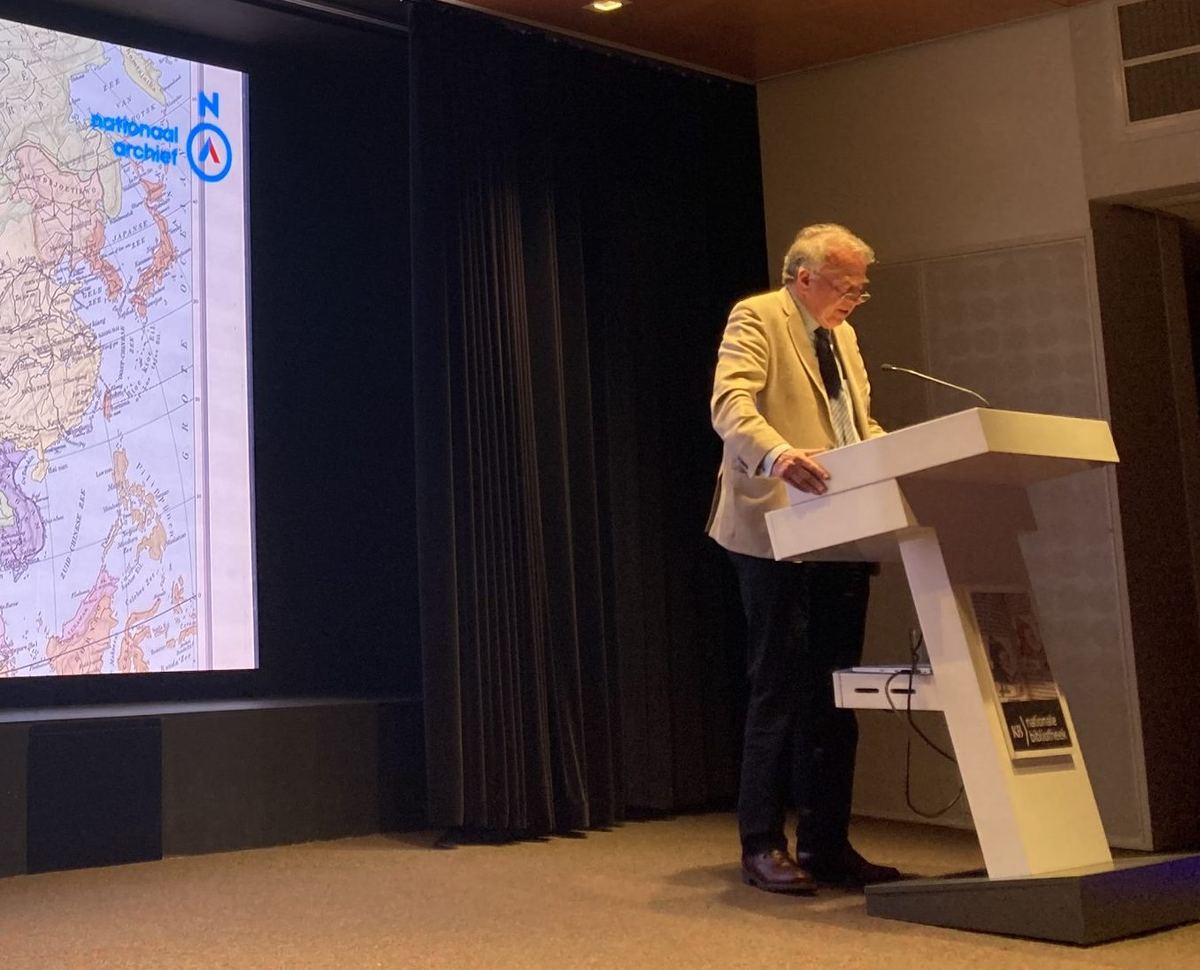
Friedhoff: ‘I was six when I asked my father who the serious-looking man was in the photograph that stood prominently on his desk. He said: That’s Stuuf, he’s no longer alive.’ And that was that. Too much emotion stood in the way of a real answer. It made an indelible impression on me. Where did that emotion come from? Who was this ‘Stuuf’? Those questions kept haunting me, and after my father died the search for an answer began in earnest.’
That moment came in 2009. Friedhoff was then working as a documentary maker for broadcasters including the NOS. He tracked down the witnesses to Wiardi Beckman’s last days who were still alive at the time and interviewed them on camera. The result is a documentary about Wiardi Beckman, focusing on his attempt to escape from the occupied Netherlands. For reasons that remain unclear, his documentary – Zoeken naar sporen in bevroren zand (Searching for traces in frozen sand) – was never broadcast by the NOS.
Friedhoff takes the viewer to Van Hogenhoucklaan 70 in The Hague. In the winter of 1941–42 Stuuf stayed in this house with his sister, waiting for a coded message on Radio Oranje announcing when Erik Hazelhoff Roelfzema would come to pick him up from the beach at Scheveningen. Also living in the house was Hannie Wolff, who looked after Beckman while he was in hiding.
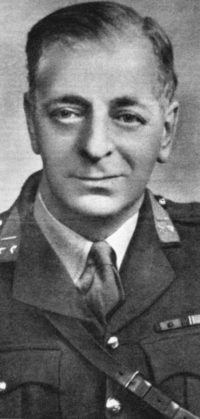
In the film she shares fond memories of a man who was a big name in Dutch social democracy and was all but destined to become prime minister. ‘Stuuf was an incredibly lovely person. A remarkable person, too. When we ate together I treated him as a guest, and then he would say: ‘No combat de générosité, please.’ That was Stuuf all over: very modest. During the day he used my room, because there was a desk there, and he always sat at it studying and writing.
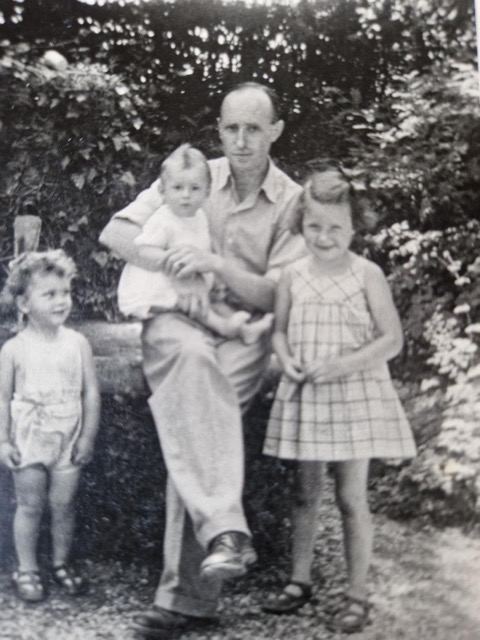
Sometimes Stuuf’s children stayed at the house too. His daughter Marijke Halbertsma-Beckman: ‘Mattresses would be laid on the floor and Father would come and sing to us: Joubert’s lullaby, Schlaffe mijn Prinzschen, schlaffe.’
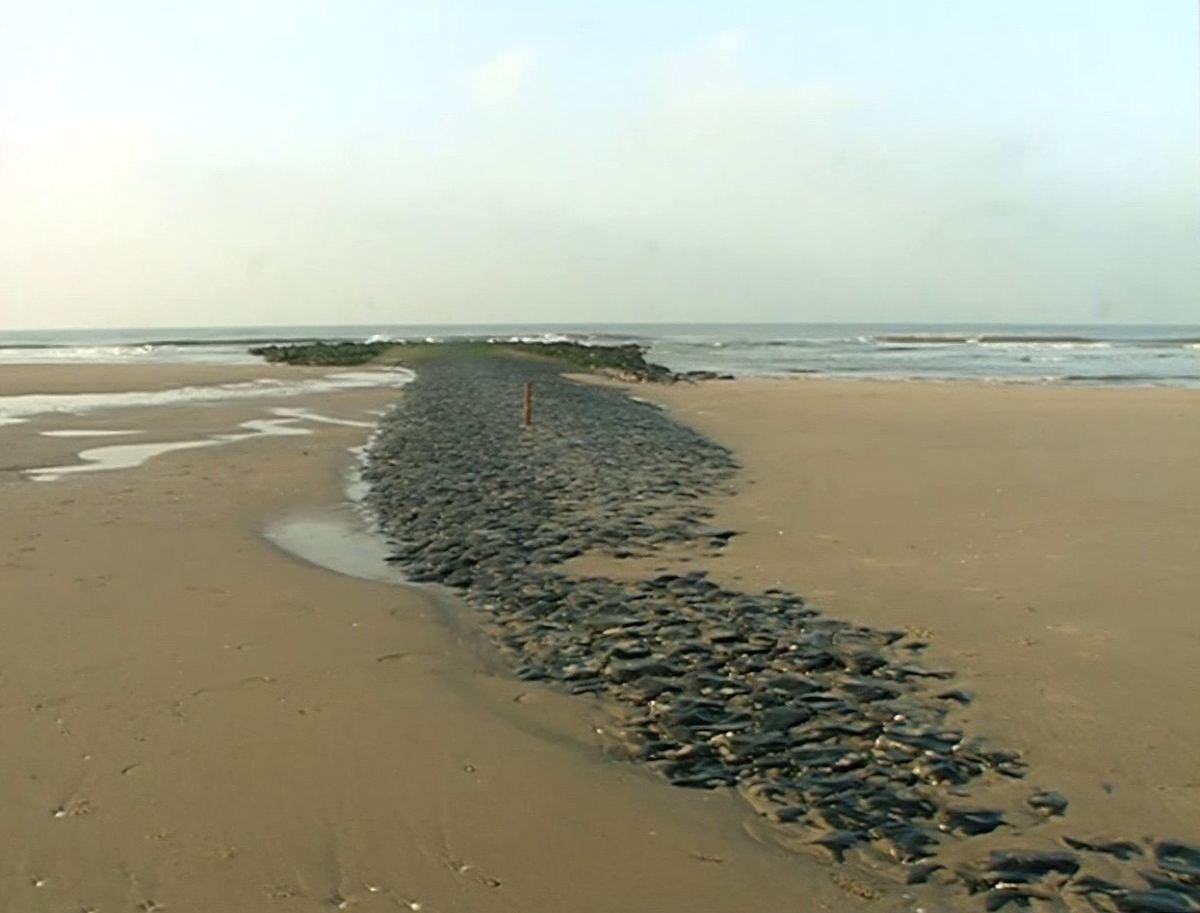
If, towards midnight, the Wilhelmus was sung rather than played on Radio Oranje, Stuuf would be picked up at Scheveningen that night. Wolff: ‘Then he had to leave at once. In a dinner jacket, so that if Germans stopped him in Scheveningen he could say he was on his way home from a party. The first few times, though, he came back to the house during the night or the next morning, soaking wet after lying for hours on a jetty waiting in vain for the boat that was supposed to fetch him from England.’
The seventh time was on Saturday evening, 17 January 1942. Wolff: ‘It was bitterly cold. I walked him as far as the Van Alkemadelaan – I still don’t understand how I dared, but I did. He wore a balaclava, so all I could really see were his eyes. We said goodbye on the corner. He almost crushed my hand and said: ‘My dear, once I’m in England, I hope to be able to do a great deal for you.’
Stuuf walked past the Polizeigefängnis – the ‘Oranjehotel’ – to Groningsestraat 24; the home of naval officer Johan Scheepmaker served as the base that night. Besides Wiardi Beckman, the group consisted of Peter Tazelaar, Gerard Dogger, Parool editor Frans Goedhart, Wim Pasdeloup, Else Kiepe-Comfurius and police detective Adriën Moonen. They had been betrayed: Wiardi Beckman was arrested near the breakwater along with Goedhart and Pasdeloup; Tazelaar and Dogger managed to escape by hiding in the ice-cold sea.
In the 1950s the Friedhoff family lived in Scheveningen. As a boy, Falco often played on the breakwater, unaware of what had happened there little more than ten years earlier. ‘My father, himself a ‘successful’ “Engelandvaarder”, found Stuuf’s arrest very hard to bear. He had offered to take Stuuf out along an escape route to Switzerland that had been set up with Stuuf’s help, but that was not allowed. It was one of the great emotions my father carried with him after the war.’
After spells in the Oranjehotel and the camps at Amersfoort, Vught and Haaren, Stuuf was taken to the only Nazi extermination camp in Western Europe: Natzweiler-Struthof.
In the film, “Engelandvaarder” Carel Steensma and Arie van Soest talk about their encounters with Wiardi Beckman in Natzweiler. Before Stuuf arrived, Van Soest worked in the quarry, ‘a place where you were treated like an animal and eventually died of exhaustion. One day a new group of Dutchmen arrived, Wiardi Beckman among them.
Pim Boellaard came up to me and said: you’re on Stubedienst (barrack duty) at the moment and Wiardi Beckman has to work in the quarry; would you be willing to swap with him? I said: that’s quite something to ask, it means I’d have to go back to the quarry (a few days earlier Van Soest had been beaten half to death there – ed.). After thinking it over for a day I agreed, because I thought: who am ì, and Wiardi Beckman is someone with a name, a leading socialist who would almost certainly have become prime minister.’
Steensma: ‘You were a Nacht-und-Nebel prisoner there, so in German eyes the lowest of the low and always the one to suffer. I got to know Stuuf as a kind, thoughtful and extremely helpful man. He saw it as his task to lend a hand in the barrack that housed the prisoners suffering from typhus. He did that work knowing it might cost him his life, and despite others begging him not to. In the end he fell ill himself. He died fourteen days before liberation. We made a death mask in secret.
None of the people Friedhoff interviewed are alive today. Their testimonies give the footage its historical value and sharpen our picture of the secret operations on the beach at Scheveningen, especially the events of the night Wiardi Beckman was arrested. Friedhoff is glad his film has found a place in the museum. ‘Stuuf was a shining example to his fellow prisoners, right to the end. He set civilisation against barbarism. That was unique in a situation where self-preservation was the norm. Such an attitude is badly needed in our own time too, in a fragmented, ego-driven society.’