In conversation with chair Paul Bartelings
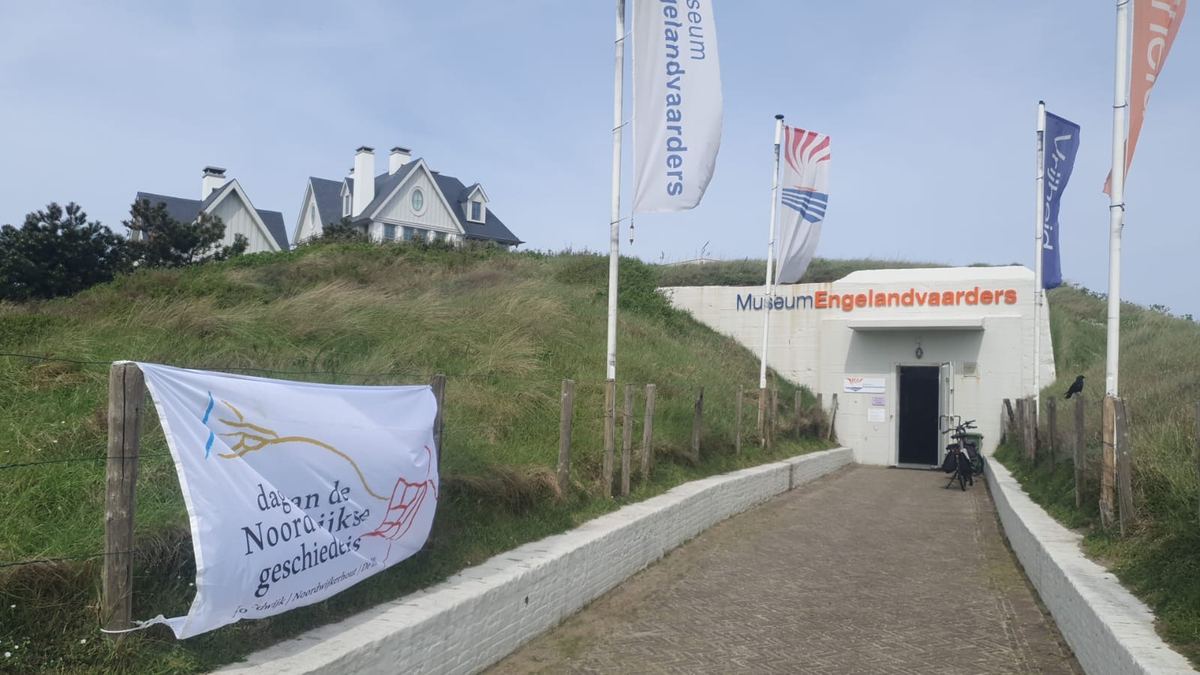
Since September 2015, Museum Engelandvaarders has been housed in a bunker in Noordwijk. Who works at the museum? What are its ambitions for the future? Chair Paul Bartelings (b. 1962) offers a look behind the scenes
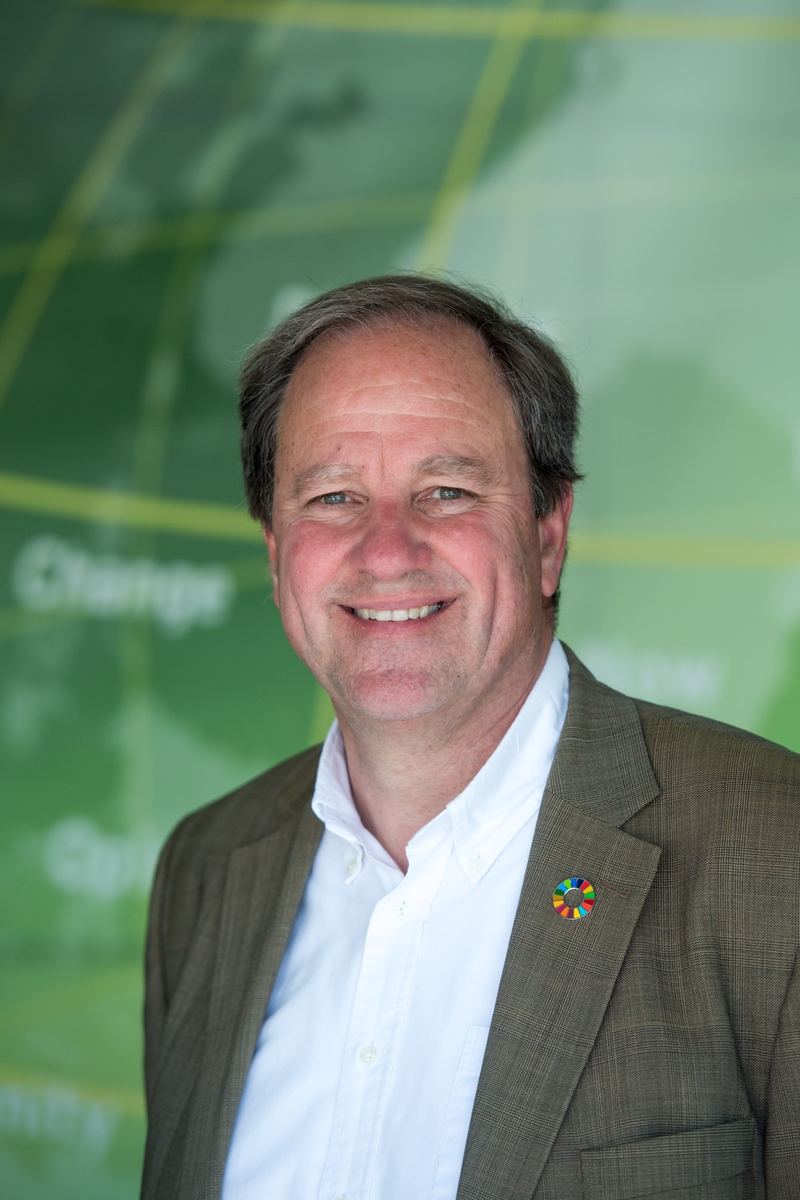
Almost ten years ago, Museum Engelandvaarders opened its doors. Since then the museum has grown into an important place where the stories of the “Engelandvaarders” are collected, shared and preserved. Paul Bartelings has been involved since the opening and became the museum’s chair last year. That is no coincidence. Rooted in the world of knowledge and information, and the son of an “Engelandvaarder”, he was the ideal person to help shape the museum. ‘As a lawyer,’ Bartelings says by way of introduction, ‘collecting and sharing knowledge is my speciality.’ Bartelings works at HVG Law, where he runs the in-house training programme and academy. ‘I design and organise training and courses for EY’s lawyers and tax advisers. ‘Before that, I worked mainly in knowledge management.’
Descendant of an “Engelandvaarder”
As well as being a lawyer, Bartelings is the son of an “Engelandvaarder”: Charles Bartelings, who reached London at the end of 1943 by the southern route through Belgium, France and Switzerland, over the Pyrenees, and on through Spain, Portugal and Gibraltar.
‘After the war my father had a demanding job. Although he was a member of the Genootschap Engelandvaarders, he said little about the war years. And I didn’t ask much either.’ Only when Bartelings, then nearly twenty, accompanied his father to the Liberation Parade in Wageningen on 5 May did he start asking questions. ‘Little by little my father told me a few stray anecdotes. Never the whole story, always small fragments – in the car, over Christmas dinner. Even so, over the years a clearer and clearer picture of his history formed in my mind.’
‘I have great respect for what my father and all the “Engelandvaarders” did’
At the end of 2013 Bartelings heard about plans to set up a Museum Engelandvaarders. ‘The Genootschap was involved. My father sat on the advisory committee,’ Bartelings explains. The plans progressed well. A fine location was found: a bunker in Noordwijk. A board was put together, but unfortunately without any descendants of “Engelandvaarders” on it. That was felt to be unacceptable. ‘I was then asked personally to join the board,’ Bartelings recalls. Did he have to think about it? ‘Not for a moment.
I have great respect for what my father and all the “Engelandvaarders” did. I think it’s important that their stories are passed on.’ His lack of experience in the museum world did not hold him back. ‘In the end it’s also about collecting and sharing information, just as in my work. Where do you find the stories? What can you do with them, how do you present them and how do you make them accessible to a wide audience?’
What would you do?
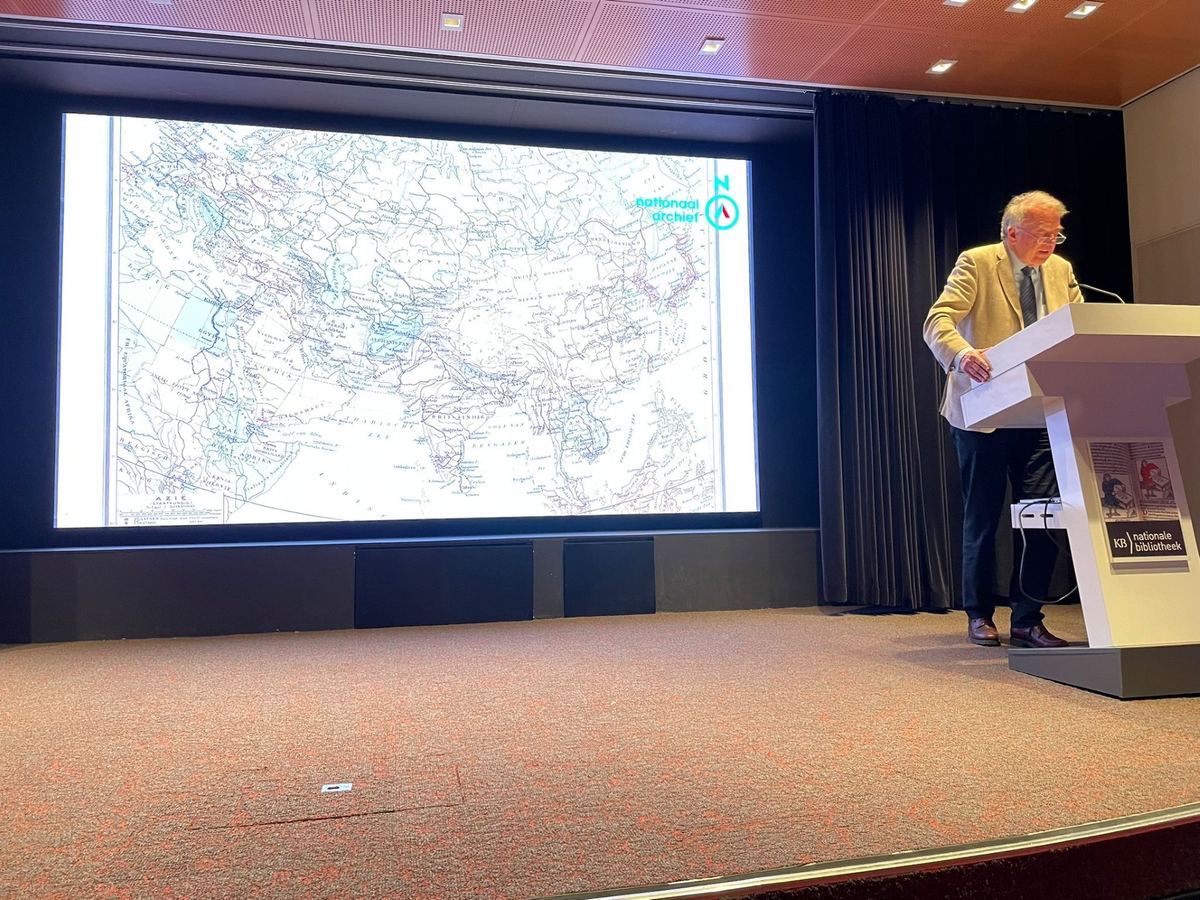
In almost ten years the museum has become an icon. ‘We’ve worked very hard to raise our profile,’ says Bartelings. ‘Together with the ANWB we designed an “Engelandvaarders” cycle route, we’re listed in the Museum Register, and the Museumkaart (museum pass) is valid here. And very recently, together with the Nationaal Archief, we even appeared on RTL Nieuws.’
We’ve also been building up the collection. A museum needs a collection, after all.’ The museum’s database now holds countless stories of and about the “Engelandvaarders”.
Visitors from all over the world find their way to the collection. ‘We’re here for the descendants of “Engelandvaarders”, but also for all the generations to come. For young people especially, we’re an important place to reflect on what freedom means today – which is why, for example, we welcome dozens of school classes every year.’
‘Our educational role is becoming ever more important.’
Especially for the younger generation, the museum designed an interactive ‘Escape Game’. Using a tablet, visitors follow one of the “Engelandvaarders” and help him or her to escape.
Bartelings sees this as one of the museum’s most important tools. ‘By stepping into the shoes of an “Engelandvaarder”, young people discover that the freedom they live in can’t be taken for granted. Making choices in wartime. What would you do if you were in a resistance fighter’s shoes?
The war in Ukraine and elsewhere in the world makes those questions more relevant than ever. Our museum is therefore a good starting point for a conversation about freedom, democracy, the rule of law and responsibility. I think the museum’s educational role will become more and more important in the future.’
Text: Marijn Ruhaak