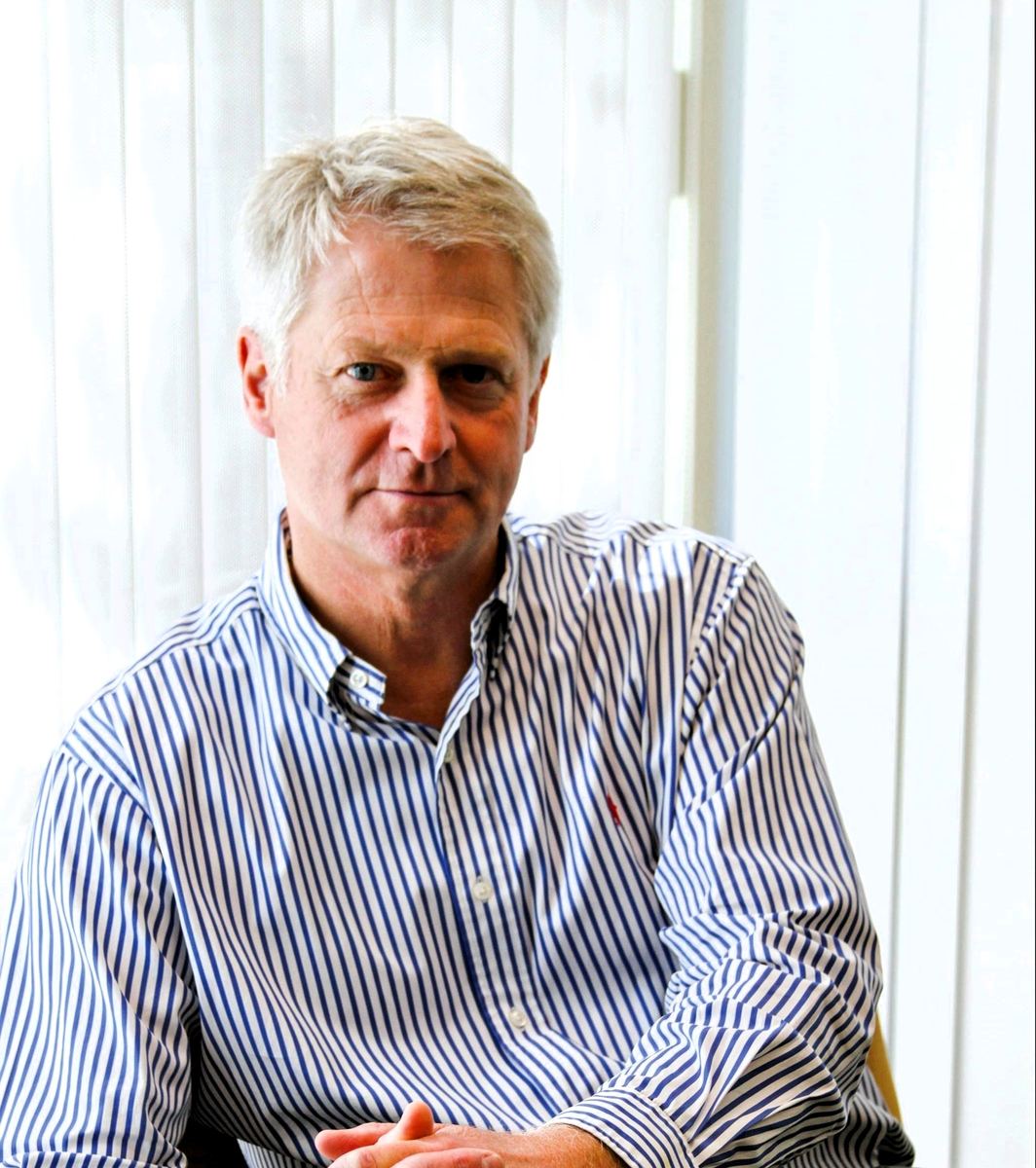
From his home in San Juan Capistrano, California, surrounded by family antiques, Borre Winckel tells his father’s story over a video call. It is a story that began with a few old reels of 16mm film and grew into an internationally acclaimed book and audiobook about the Dutch “Engelandvaarders” of the Second World War.
Flip Winckel was one of the courageous Dutchmen who tried to reach England during the occupation to join the fight against the Germans. “He was originally due to leave on 16 January 1944, but things turned out differently,” says his son Borre (a corruption of his given name, George). “Harry Isbrücker, who had just escaped from a prisoner-of-war camp in Poland, was given priority because of his military value. The boat was full and my father had to give up his place.” A week later Flip got his chance after all and managed to make the perilous crossing.
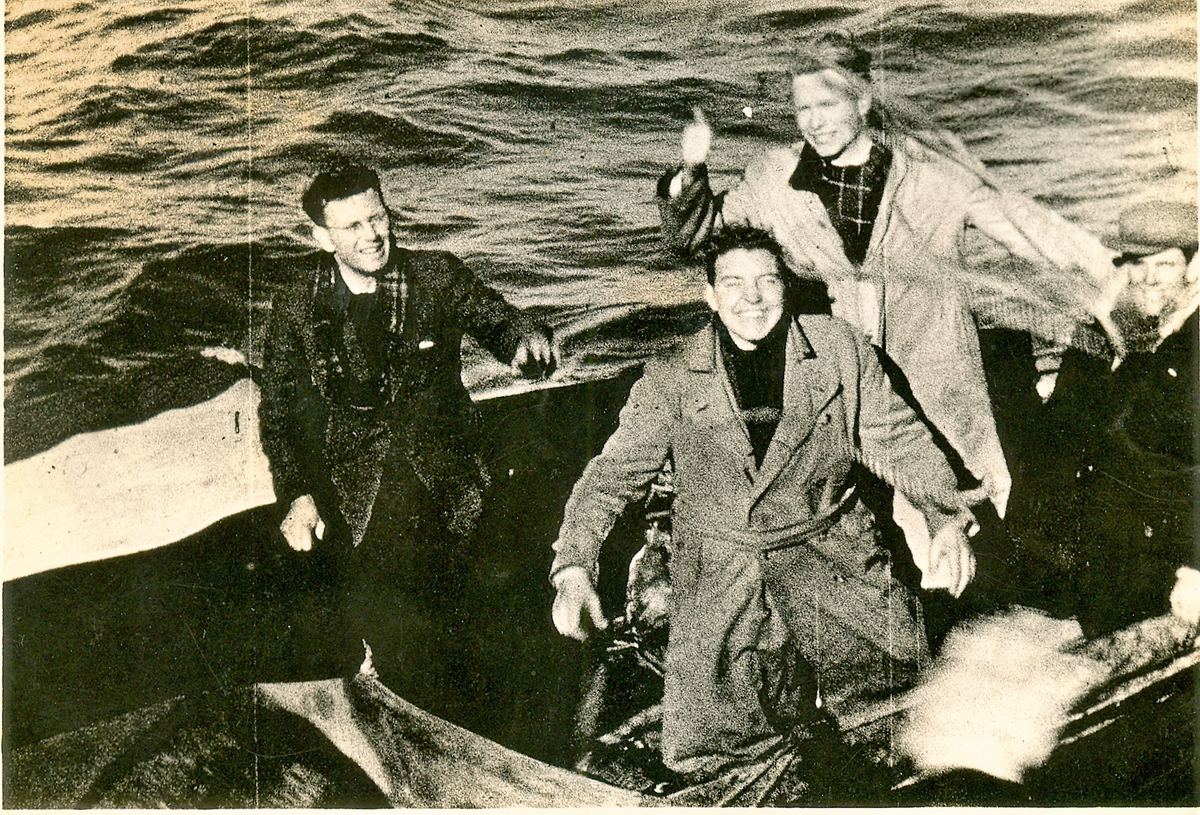
“I knew the footage as a little boy,” Borre recalls. “The old 16mm films would come out at family gatherings.” The unique footage was shot by an American air force captain aboard the British rescue boat that pulled his father from the sea. “It is the only “Engelandvaart” ever filmed,” he stresses. “There are hardly even any photographs of these dangerous sea crossings.”
From scale model to book
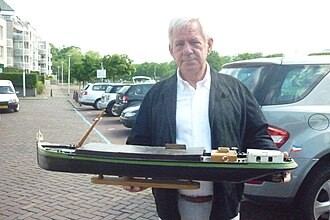
Twenty years ago Borre had the idea of building a scale model of the rescue boat. As the boat itself could not be seen in the film, he first had to find out which vessel it was. “The documentation used the number 285. I spent a year searching for information about this mysterious boat 285, until I discovered that no such boat had ever existed.” By chance Borre got in touch with an Englishman who had served with the Royal Air Force Air Sea Rescue. “He was able to tell me it was boat 185.”
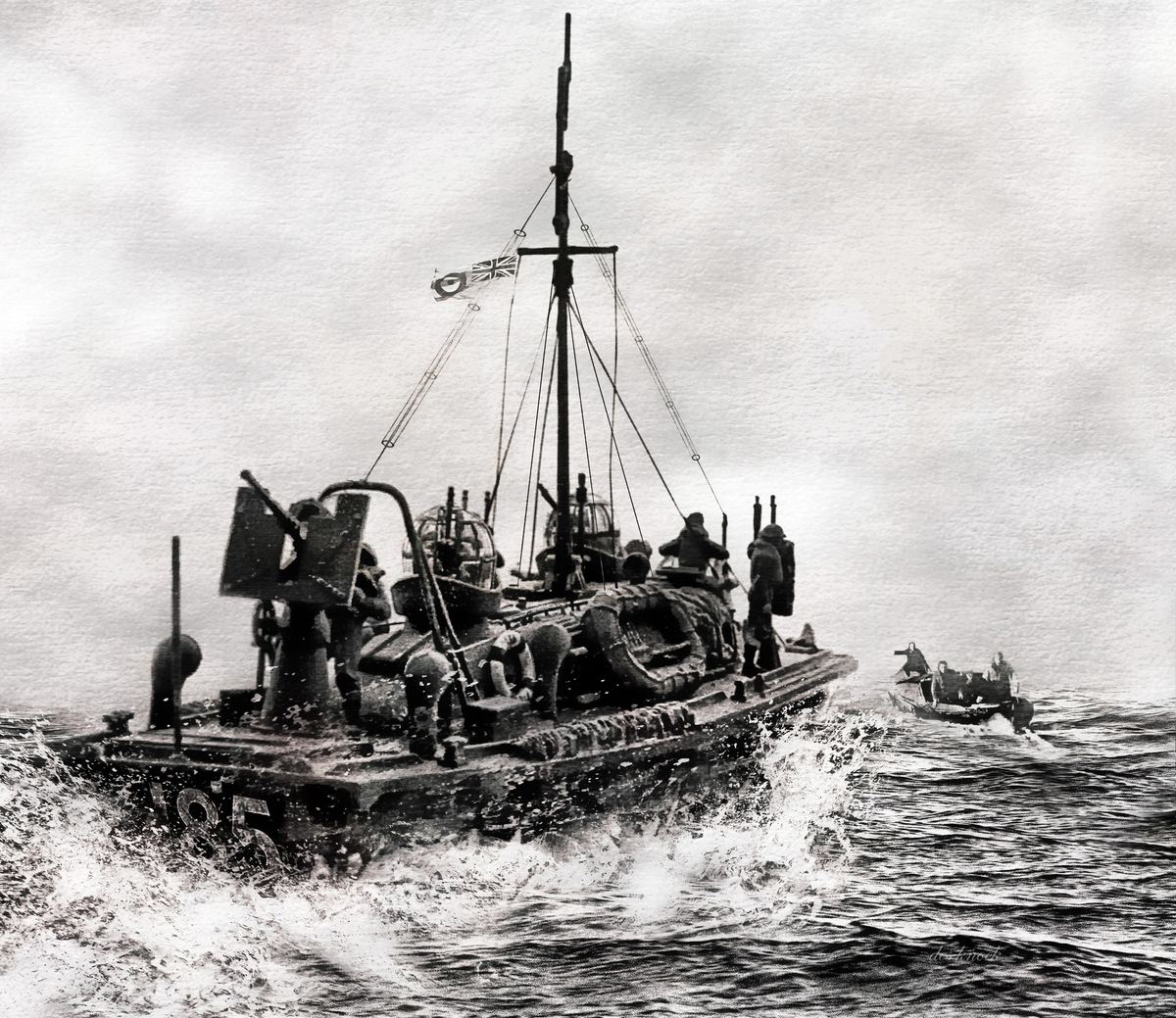
Borre could start building, but it did not stop at a scale model. “I love writing, and I decided to put together a short story around the boat.” His father was still alive then, as was fellow passenger John Osten in Valparaíso, Chile. “Through correspondence with him and others involved, my story gradually took on the shape of an extended series of interviews.”
A treasure trove of documents
A major turning point came when Borre discovered that Henk Baxmeijer, another of the “Engelandvaarders”, who had since died, had donated three handwritten notebooks to the NIOD. At the request of the famous war historian Lou de Jong, “Engelandvaarders” had written down their experiences. “After years of searching, it was thrilling to read those eyewitness accounts. They largely matched my own story,” says Borre. He decided to weave Baxmeijer’s account fully into his own story, which now took the form of a documentary account.”
As Borre’s project progressed, he came into contact with more and more volunteers who had been involved with the “Engelandvaart” in one way or another and wanted to help. It became an international network of people all eager to do their bit to preserve this history. One of them pointed him to a remarkable story in the archives of the Royal Netherlands Navy: that of Harry Isbrücker. The name was familiar to Borre – Isbrücker was, after all, the man who had originally taken his father’s place in the boat on that fateful 16 January 1944. Borre included the eyewitness account in full in his book.
Recht door zee
Borre’s years of work resulted in the book Recht door zee. Over de laatste “Engelandvaart” en het einde van Nederlands-Indië, published in 2021. The book covers not only his father’s “Engelandvaart” but also the Dutch East Indies, where Flip lived through the violent Bersiap period.
Anyone who thinks that was the end of Borre’s work is mistaken. “I live in California,” he explains, “and my American wife and English-speaking children wanted to be able to read the book too.” So came the idea of an English translation, published as Take Men on Board!: The Dutch WW2 Escapes to England. For this edition Borre rewrote, shortened and translated the story to make it accessible to an international readership. An e-book soon followed for digital readers.
Since 2025 there has also been an audiobook. “I’m enormously proud of it,” says Borre with enthusiasm. “It’s the best of all four versions.” Several people have complimented him on his voice and the high quality of the production. “I recorded it professionally in my back room, among removal blankets that served as a soundproof studio, complete with sound effects and musical themes to support the story – from deeply tragic to very cheerful. I think the audiobook is a unique product,” Borre says. And that seems no idle claim: few war stories have been recorded in such personal detail, and certainly not from the perspective of both the father who made the dangerous journey and the son who preserves the story for posterity.
A tribute to the fallen
For Borre the project is more than family history. “It is a tribute to the countless helpers and to those who lost their lives,” he stresses. Many “Engelandvaarders” never reached the English coast. Their stories deserve to be told too.”
Borre is keeping his future plans under wraps. “There’s something else in the pipeline, but it’s a secret for now,” he says with a smile. What is clear is that his mission to keep the stories of the “Engelandvaarders” alive is far from over.
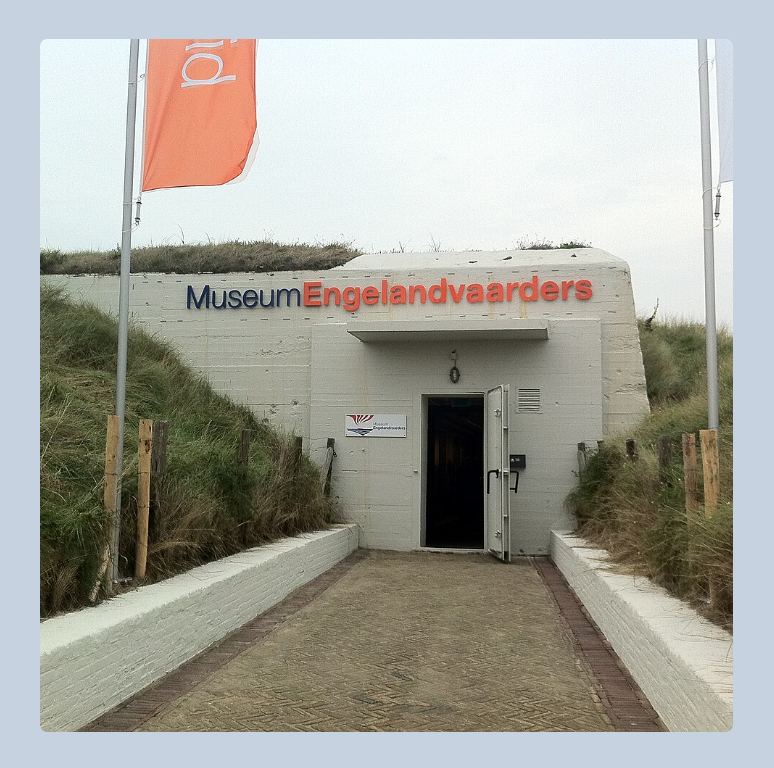
The Dutch and English books are available at Museum Engelandvaarders. The audiobook can be ordered online. Want to see and hear more of Borre? Watch this short film in which he talks about the long genesis of his books.