Onno Sinke
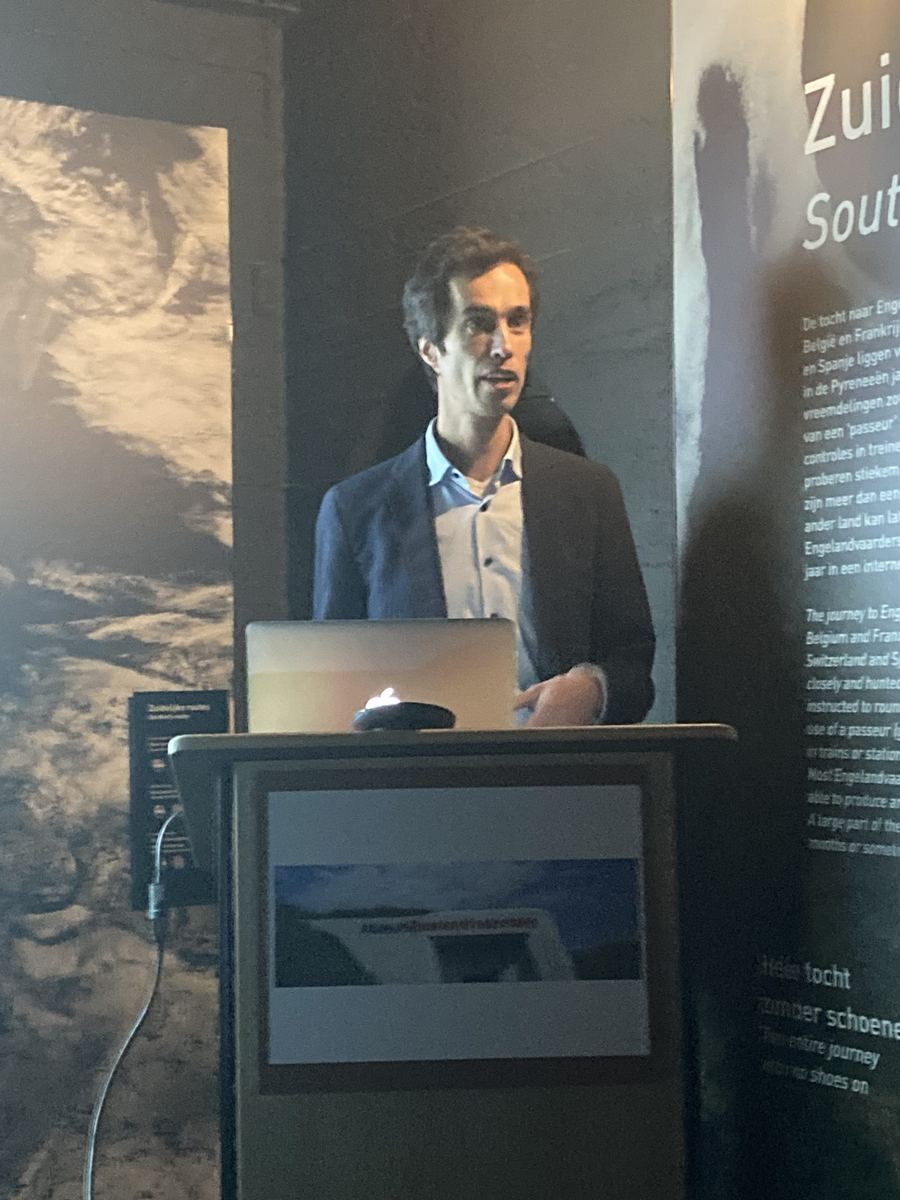
On 7 December Onno Sinke gave a lecture at the museum on Radio Oranje. Fourteen years ago he wrote a doctoral thesis on Radio Oranje, from which he picked out a few gems for his talk.
After the capitulation, the Dutch government at first had contact with the occupied territory only through the BBC. Because this involved a great deal of red tape, Prime Minister Gerbrandy wanted the Dutch government to have its own airtime. From 28 July 1940 the Netherlands was given fifteen minutes of airtime a day, later half an hour. That was more than the French, for example, received.
Making programmes was no easy task: nobody in London had any experience of it, and censorship by the Dutch government and the British caused much irritation, Queen Wilhelmina’s included. In 1943, after receiving back the draft of a speech covered in Gerbrandy’s crossings-out and corrections, she responded: ‘I am not a schoolgirl to be sent back her corrected essays.’
Another difficulty was that the programme makers had no up-to-date information on the situation and mood in the occupied Netherlands. Radio Oranje, for instance, reported nothing about the February Strike, while an American radio station already had.
Listening to Radio Oranje was not without risk. Listening was banned, and anyone caught could face up to ten years in prison or a heavy fine. The Germans tried to stop people listening to Radio Oranje by jamming the broadcasts and, in May 1943, by ordering radio sets to be handed in.
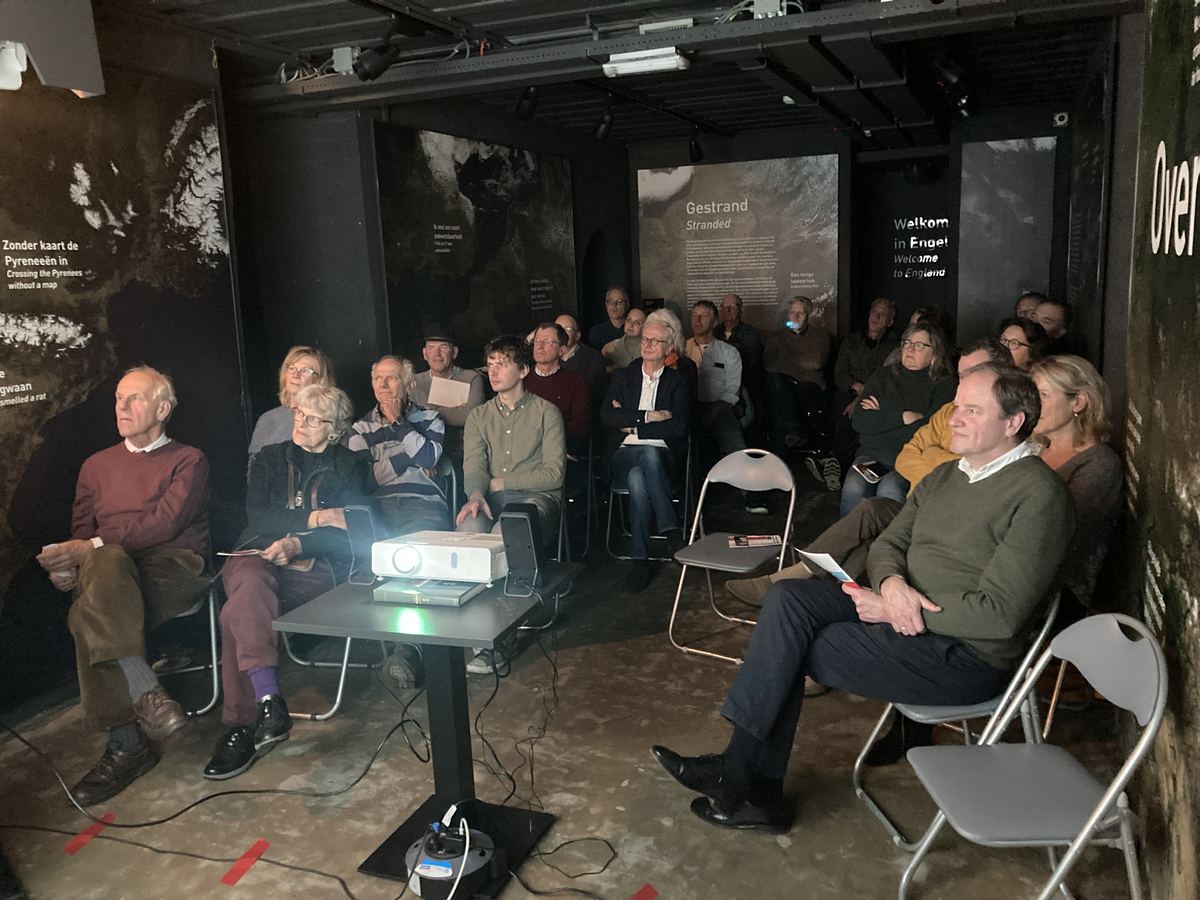
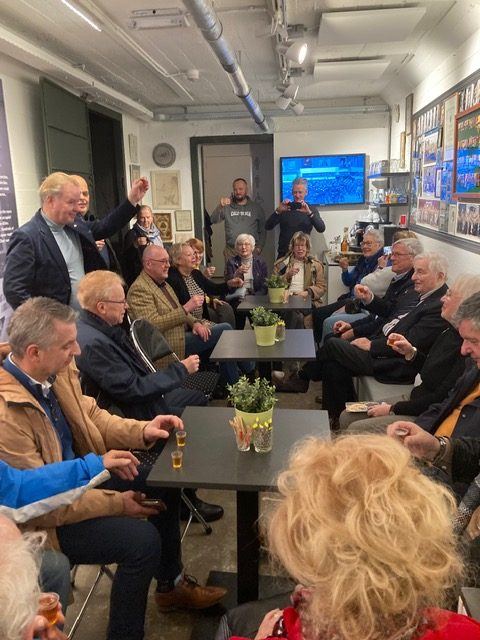
Some 25 people came to this interesting lecture and were welcomed with coffee and a
treat. Afterwards there were many questions, and visitors said how much they had appreciated the lecture. Paul Bartelings then thanked René van Westerhuizen for organising the lecture, as well as Ada Bulk and Francine Timmers Verhoeven, who had helped him.